Recent Discussions
Quick Launch missing from SharePoint subsite after deleting links
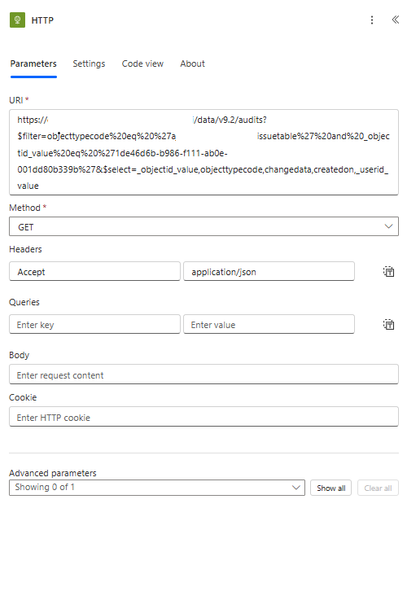
The Quick Launch navigation has disappeared from one SharePoint subsite (Marketing) after I deleted some placeholder links on a Marketing page. It was working previously, and still appears on other subsites in the same site collection. In Site Settings, Quick Launch is still enabled, but there is no option to add or edit navigation links anymore, and the left navigation is completely gone on this subsite. Has anyone seen this before or know how to restore the Quick Launch for just one subsite? Thank you!17Views0likes0CommentsRestirct user access to SPO Root SiteCollection
Hi everyone, In a tenant, the SharePoint Online root site collection was deliberately locked down to a very small audience. We are currently seeing some issues that could be related to this. While investigating, I noticed that some Microsoft documentation seems to imply that the root site collection plays a special role and should be accessible for the users, for example: https://learn.microsoft.com/en-us/sharepoint/modern-root-site https://learn.microsoft.com/en-us/troubleshoot/sharepoint/sites/url-that-resides-under-root-site-collection-is-broken However, I couldn’t find any explicit or official recommendation stating whether restricting access to the root site collection is supported or discouraged. So my question is: Is it a best practice or implicit requirement that the root site collection remains broadly accessible for M365 / SharePoint Online to work reliably? Thanks!9Views0likes0CommentsPower Automate - iAuditor integration to Excel for business
Hi all, I'm trying to build a flow in Power Automate to feed data in Excel file (located on SharePoint) used for my Power BI report but i don't know why it does not want to work. This is my flow as shown in the photo In the first "For Each" action i have " body('Site') ", second " body('Serial Number') "..... When i test this is how it looks like If i remove the second and third FOR EACH, it goes to the excel action and stops there. Does anyone have a similar flow or does anyone know what i'm doing wrong? Thank you in advance if anyone has a solution.7Views0likes0CommentsUsers unable to determine who has access to document library due to security groups
Greetings, Maybe I went about this the wrong way. Looking for advice on either the proper way we should be moving forward on this or any other comments or insight we should be considering. This is for SharePoint online via Microsoft 365 Business license. Scenario: 1. SharePoint Document Library per department (Each Document Library exists in its own SharePoint site), essentially being used as a company drive. 2. Some users should only officially have access to specific folders in some of the document library. 3. If say a person in accounting has access to some specific folders, and either they are replaced or a new accounting user comes in.... should be able to reference the access the existing person has in order to give the same access to the new user. 4. Common Request: Give UserB the same folder access as UserA. 5. Some users should have access to the entire document libraries while other users only have access to specific subfolders. Current Implementation: 1. In Entra, created Security Groups that tied to specific folders. -- For Example for the accounting folder, only management has access to the entire folder but the accounting staff only have access to specific folders. So like there is a FiscalYear2024 folder, so I created a security group called sec-Accounting-FiscalYear2024 and assigned the members that should only have access to that folder and not the rest of the library. -- My thought behind this was if a new user was replacing the existing user or joining the department, I can just reference the existing user security group membership and copy it to the new user. 2. In the SharePoint document Library, I create a shareLink that is assigned to the security group I made for that access. Then I give that link to the users I assigned the membership to. Current Issue: 1. Aside from the official document sharing/access that is being done from the security groups above. There are occasions where users of a sharepoint need to share specific files or folders to other users. 2. However, they are all panicking and confused because aside from themselves they are unsure who has access to the existing folders/files in the document library. 3. When going to manage permissions of a file/folder, it only shows the group assigned to it but not the members of the group. 4. So since users can't see the members of the group assigned to a folder, they have no idea who has access to that folder and are getting confused. If this was an NTFS drive, it would be super easy for users to see who has access and etc by looking at the properties but I'm stuck behind some limitations of sharepoint I didn't realize existed until I tried to implement certain workflows. Any advice here would be greatly appreciated, as my implementation has turned into a point of frustration for end users. Thank you in advance!16Views0likes0CommentsPnP Template Error: "Invalid field name {guid}
Hello, I'm trying to apply a site template from one SharePoint Online site to another using PnP PowerShell. I have custom lists, some of them with a specific dependency chain: List X has a lookup to List Y. List Y has a lookup to List Z. All libraries/lists have "Allow management of content types" enabled. The cmdlets I run: Export: Get-PnPSiteTemplate -Out template.pnp -Handlers All -IncludeAllClientSidePages -PersistBrandingFiles Import: Invoke-PnPSiteTemplate -Path template.pnp The Error: During the Invoke process, I get: Invoke-PnPSiteTemplate : Invalid field name {guid} targetsharepoint site What I’ve tried: I attempted to manually remove the ID="{guid}" attributes from the XML inside the .pnp package, but that just makes the template schema invalid. Verified that I am connected to the target site with owner permissions. How can this issue be fixed? Any help would be greatly appreciated! Thanks!41Views0likes0CommentsDeDup for SharePoint
Hi All: I just spun up DeDup for SharePoint SaaS and it looks very straight forward. Wondering if there are any pinch points or gotchas folks have run into? I really want to fire off an auto clean up but I'm very apprehensive as this is my first run with the solution. TIA35Views0likes0CommentsUpcoming change: Retirement of noise suppression capability for ODSP video
We're writing to inform you of an upcoming change to video playback features in OneDrive and SharePoint. What's changing: Starting July 1, 2026, the noise suppression feature for video playback on OneDrive and SharePoint will be retired. This feature, which reduces background noise during video playback, will no longer be available in the web playback experience. Based on usage data and our ongoing effort to streamline the video experience on OneDrive and SharePoint, we've made the decision to deprecate this capability. Please share your feedback through Noise Suppression Feature Survey so we can continue to improve the video experience on OneDrive and SharePoint. What this means for your content: Your video content is not affected. No original files will be modified or re-encoded – this change only impacts the playback experience. Noise suppression will no longer be available as a playback toggle option when viewing videos stored on OneDrive or SharePoint. No changes to other video and audio playback features – including playback speed controls, captions, and transcripts – remain available and are unaffected by this change. What administrators need to know: No admin action is required. The noise suppression option will be removed automatically after the retirement date. There are no tenant-level settings to manage for this change. Alternative options: If noise suppression is important to your workflow, please consider these alternatives: Pre-process your audio using a dedicated noise removal tool before uploading to OneDrive or SharePoint. Record in a quieter environment or use a directional microphone to minimize background noise at the source. We value your feedback: We understand this change may affect some of your workflows, and we want to hear from you. Please share your feedback through Noise Suppression Feature Survey so we can continue to improve the video experience on OneDrive and SharePoint. All other video playback capabilities on OneDrive and SharePoint remain fully available. We're committed to continuing to invest in features that help you get the most out of your video content.929Views0likes0CommentsCould you tell me about how to trigger power automate for desktop on windows 11 free version?
Hi, friend! I from Japan. just coming spring season right now. by the way. Could you tell me about when it executes command of power automate, but it couldn't succuss. according to the error message it doesn't know like this flow ID. but actuary on the other hand. in my hose case, like this method was succussed. if you know how to fix better, could you suggest it?27Views0likes0CommentsAutomating SharePoint Site Status Reporting with PowerShell
Introduction Migrating Microsoft 365 workloads is a critical step during organizational transitions such as mergers or de‑mergers. SharePoint site collections often contain business‑critical data, and ensuring visibility into their readiness is essential for a smooth migration. To address this, I developed a PowerShell script that automatically generates a SharePoint Site Status Report, categorizing sites into Active, Read‑Only, and Offline. This report provides administrators and migration engineers with actionable insights to plan and execute migrations confidently. Why This Matters Visibility: Quickly assess site readiness across all web applications. Governance: Ensure compliance and proper access controls. Efficiency: Automate reporting to reduce manual effort. Risk Mitigation: Identify offline or read‑only sites before migration. How It Works The script leverages the SharePoint Management Shell and runs under the Farm Account with elevated permissions. It performs the following steps: Loads SharePoint cmdlets. Iterates through all web applications. Categorizes sites into Active, Read‑Only, and Offline. Compiles results into a structured CSV/Excel/HTML report. Sends the report via email to stakeholders. Key PowerShell Cmdlets Add-PSSnapin Microsoft.SharePoint.PowerShell Get-SPWebApplication Get-SPSite -WebApplication -Limit All $site.ReadOnly / $site.Status Export-Csv Send-MailMessage Parameters to Replace Before running the script, update these placeholders: SMTP Server → mail.company.com → replace with your mail server Sender Address ($from) → email address removed for privacy reasons → replace with reporting account Recipient Address ($to) → email address removed for privacy reasons → replace with stakeholder distribution list Email Subject ($subject) → "SharePoint Site Status Report" → customize for clarity Report File Path ($csvPath) → C:\Reports\SharePoint_SiteStatusReport.csv → replace with desired location Web Application URLs → ensure correct farm references Execution Context → must run under Farm Account Conclusion This automated reporting solution provides clarity, governance, and efficiency during SharePoint migrations. By categorizing sites and delivering structured reports, administrators can prioritize tasks, mitigate risks, and ensure a seamless transition to Microsoft 365. Code: #Adding Snapin for SharePoint #Add-PSSnapin Microsoft.SharePoint.Powershell -ErrorAction SilentlyContinue $TodayDate =Get-Date Write-Host $TodayDate $FileName = "C:\Results_Active_WebSites.txt" if (Test-Path $FileName) { Remove-Item $FileName } $FileName = "C:\Results_NoAccess_WebSites.txt" if (Test-Path $FileName) { Remove-Item $FileName } $FileName = "C:\Results_Readonly_WebSites.txt" if (Test-Path $FileName) { Remove-Item $FileName } $FileName = "C:\Results_Active_WebSites.txt" if (Test-Path $FileName) { Remove-Item $FileName } $FileName = "C:\Results_Readonly_WebSites.txt" if (Test-Path $FileName) { Remove-Item $FileName } $FileName = "C:\Results_NoAccess_WebSites.txt" if (Test-Path $FileName) { Remove-Item $FileName } $FileName = "C:\Results_Active_WebSites.txt" if (Test-Path $FileName) { Remove-Item $FileName } $FileName = "C:\Results_Readonly_WebSites.txt" if (Test-Path $FileName) { Remove-Item $FileName } $FileName = "C:\Results_NoAccess_WebSites.txt" if (Test-Path $FileName) { Remove-Item $FileName } $FileName = "C:\Results_Active_WebSites.txt" if (Test-Path $FileName) { Remove-Item $FileName } $FileName = "C:\Results_Readonly_WebSites.txt" if (Test-Path $FileName) { Remove-Item $FileName } $FileName = "C:\Results_NoAccess_WebSites.txt" if (Test-Path $FileName) { Remove-Item $FileName } ##My Connect # $FileName = "C:\Results_Active_WebSites.txt" if (Test-Path $FileName) { Remove-Item $FileName } # $FileName = "C:\Results_Readonly_WebSites.txt" if (Test-Path $FileName) { Remove-Item $FileName } # $FileName = "C:\Results_NoAccess_WebSites.txt" if (Test-Path $FileName) { Remove-Item $FileName } # # WebSites $FileName = "C:\Results_Active_WebSites.txt" if (Test-Path $FileName) { Remove-Item $FileName } # $FileName = "C:\Results_Readonly_WebSites.txt" if (Test-Path $FileName) { Remove-Item $FileName } # $FileName = "C:\Results_NoAccess_WebSites.txt" if (Test-Path $FileName) { Remove-Item $FileName } # ##Websites # $FileName = "C:\Results_Active_WebSites.txt" if (Test-Path $FileName) { Remove-Item $FileName } # $FileName = "C:\Results_Readonly_WebSites.txt" if (Test-Path $FileName) { Remove-Item $FileName } # $FileName = "C:\Results_NoAccess_WebSites.txt" if (Test-Path $FileName) { Remove-Item $FileName } # ## Websites # $FileName = "C:\Results_Active_WebSites.txt" if (Test-Path $FileName) { Remove-Item $FileName } # $FileName = "C:\Results_Readonly_WebSites.txt" if (Test-Path $FileName) { Remove-Item $FileName } # $FileName = "C:\Results_NoAccess_WebSites.txt" if (Test-Path $FileName) { Remove-Item $FileName } # ##FGC-SalesShareWebSites # $FileName = "C:\Results_Active_WebSites.txt" if (Test-Path $FileName) { Remove-Item $FileName } # $FileName = "C:\Results_Readonly_WebSites.txt" if (Test-Path $FileName) { Remove-Item $FileName } # $FileName = "C:\Results_NoAccess_WebSites.txt" if (Test-Path $FileName) { Remove-Item $FileName } ##WebSites # $FileName = "C:\Results_Active_WebSites.txt" if (Test-Path $FileName) { Remove-Item $FileName } # $FileName = "C:\Results_Readonly_WebSites.txt" if (Test-Path $FileName) { Remove-Item $FileName } # $FileName = "C:\Results_NoAccess_WebSites.txt" if (Test-Path $FileName) { Remove-Item $FileName } ##WebSites # $FileName = "C:\Results_Active_WebSites.txt" if (Test-Path $FileName) { Remove-Item $FileName } # $FileName = "C:\Results_Readonly_WebSites.txt" if (Test-Path $FileName) { Remove-Item $FileName } # $FileName = "C:\Results_NoAccess_WebSites.txt" if (Test-Path $FileName) { Remove-Item $FileName } ##WebSites # $FileName = "C:\Results_Active_WebSites.txt" if (Test-Path $FileName) { Remove-Item $FileName } # $FileName = "C:\Results_Readonly_WebSites.txt" if (Test-Path $FileName) { Remove-Item $FileName } # $FileName = "C:\Results_NoAccess_WebSites.txt" if (Test-Path $FileName) { Remove-Item $FileName } Add-PSSnapin Microsoft.SharePoint.Powershell [string[]]$WebapplicationList = "" Foreach($Webapp in $WebapplicationList) { Write-Host $Webapp $displaywebappname=Get-SPWebApplication $webapp $webappname=$displaywebappname.name Write-Host $webappname $Sites = Get-SPWebApplication $webapp | Get-SPSite -limit all | foreach { if ($_.ReadOnly -eq $false -and $_.ReadLocked -eq $false -and $_.WriteLocked -eq $false) { $Result =”Site is Active” $save2= "Results_Active_${webappname}.txt" #Write-Host $save2 $saveCSVactive="Results_Active_${webappname}.csv" $_.RootWeb.Title +”`t” + $_.URL + “`t” + $Result | Out-File $save2 -append #$_.RootWeb.Title +”`t” + $_.URL + “`t” + $Result | Out-File $saveCSVactive -Append } elseif ($_.ReadOnly -eq $true -and $_.ReadLocked -eq $false -and $_.WriteLocked -eq $true) { $Result = “Site is Read-Only” $save1= "Results_Readonly_${webappname}.txt" $_.RootWeb.Title +”`t” + $_.URL + “`t” + $Result | Out-File $save1 -Append } elseif ($_.ReadOnly -eq $null -and $_.ReadLocked -eq $null -and $_.WriteLocked -eq $null) { $Result=”Site status is No Access” $save3= "Results_NoAccess_${webappname}.txt" #$_.RootWeb.Title +”`t” + $_.URL + “`t” + $Result | Out-File $save3 -Append $_.URL +”`t” + $_.RootWeb.Title + “`t” + $Result | Out-File $save3 -Append } } } $TodayDate =Get-Date Write-Host $TodayDate sleep -Seconds 100 #Active Sites WebSites $ActiveSites_Websites= Get-Content -Path "C:\Results_Active_WebSites.txt" | Measure-Object Write-Host "Websites Active sites" $ActiveSites_Websites.count $Websites_ActiveSitescount = $ActiveSites_Websites.count #Read-only Sites WebSites $ReadonlySites_Websites=Get-Content -Path "C:\Results_Readonly_WebSites.txt" | Measure-Object Write-Host "Websites Read-only Sites" $ReadonlySites_Websites.count $Websites_Readonlysitescount=$ReadonlySites_Websites.count #No-Access Sites WebSites $NoaccessSies_Websites= Get-Content -Path "C:\Results_NoAccess_WebSites.txt" | Measure-Object Write-Host "Websites No-Access Sites" $NoaccessSies_Websites.count $Websites_NoAccessSitesCount=$NoaccessSies_Websites.count #Active Sites WebSites $ActiveSites_WebSites= Get-Content -Path "C:\Results_Active_WebSites.txt" | Measure-Object Write-Host "WebSites Active sites" $ActiveSites_WebSites.count $WebSites_ActiveSitescount = $ActiveSites_WebSites.count #Read-only Sites WebSites #$Readonlysite_WebSites =Get-Content -Path C:\Results_Readonly_Websites.txt | Measure-Object #If($Readonlysite_WebSites -eq $null) #{ #$WebSites_Readonlysitecount ="0" #} #else{ $Readonlysite_WebSites =Get-Content -Path "C:\Results_Readonly_WebSites.txt" | Measure-Object Write-Host "WebSites Readonly Sites" $Readonlysite_WebSites.count $WebSites_ReadonlySitesCount= $Readonlysite_WebSites.count # Write-Host $WebSites_ReadonlySitesCount #} #WebSites - No Access Sites #$NoAccessSites_WebSites= Get-Content -Path "C:\Results_NoAccess_Websites.txt" $NoAccessSites_WebSites= Get-Content -Path "C:\Results_NoAccess_WebSites.txt" | Measure-Object Write-Host "WebSites NoAccess Sites" $NoAccessSites_WebSites.count # #Write-Host "Site Count $($NoAccessSites_WebSites.Count)" $WebSites_NoAccessSitesCount= $NoAccessSites_WebSites.count ################################################################## # #Active Sites Websites $ActiveSites_WebSites= Get-Content -Path "C:\Results_Active_Websites.txt" | Measure-Object Write-Host "WebSites Active sites" $ActiveSites_WebSites.count $WebSites_ActiveSitescount = $ActiveSites_WebSites.count # # #Read-only Sites WebSites $ReadonlySites_WebSites=Get-Content -Path "C:\Results_Readonly_Websites.txt" | Measure-Object Write-Host "WebSites Read-only Sites" $ReadonlySites_WebSites.count $WebSites_Readonlysitescount=$ReadonlySites_WebSites.count # # #No-Access Sites WebSites $NoaccessSies_WebSites= Get-Content -Path "C:\Results_NoAccess_Websites.txt" | Measure-Object Write-Host "WebSites No-Access Sites" $NoaccessSies_WebSites.count $WebSites_NoAccessSitesCount=$NoaccessSies_WebSites.count # # #Active Sites Websites $ActiveSites_WebSites= Get-Content -Path "C:\Results_Active_Websites.txt" | Measure-Object Write-Host "WebSites Active sites" $ActiveSites_WebSites.count $WebSites_ActiveSitescount = $ActiveSites_WebSites.count # # #Read-only Sites WebSites $ReadonlySites_WebSites=Get-Content -Path "C:\Results_Readonly_Websites.txt" | Measure-Object Write-Host "WebSites Read-only Sites" $ReadonlySites_WebSites.count $WebSites_Readonlysitescount=$ReadonlySites_WebSites.count # # #No-Access Sites WebSites $NoaccessSies_WebSites= Get-Content -Path "C:\Prod\Results_NoAccess_Websites.txt" | Measure-Object Write-Host "WebSites No-Access Sites" $NoaccessSies_WebSites.count $WebSites_NoAccessSitesCount=$NoaccessSies_WebSites.count # # #WebSites # # #Active Sites WebSites ##$ActiveSites_WebSites= Get-Content -Path "C:\Results_Active_WebSites.txt" | Measure-Object ##Write-Host "WebSites Active sites" $ActiveSites_WebSites.count ##$WebSites_ActiveSitescount = $ActiveSites_WebSites.count # # #Read-only Sites WebSites ##$ReadonlySites_WebSites=Get-Content -Path "C:\Results_Readonly_WebSites.txt" | Measure-Object ##Write-Host "WebSites Read-only Sites" $ReadonlySites_WebSites.count ##$WebSites_Readonlysitescount=$ReadonlySites_WebSites.count # # #No-Access Sites WebSites ##$NoaccessSies_WebSites= Get-Content -Path "C:\Results_NoAccess_WebSites" | Measure-Object ##Write-Host "WebSites No-Access Sites" $NoaccessSies_WebSites.count ##$WebSites_NoAccessSitesCount=$NoaccessSies_WebSites.count # # #WebSites # # #Active Sites WebSites ##$ActiveSites_WebSites= Get-Content -Path "C:\Results_Active_WebSites.txt" | Measure-Object ##Write-Host "WebSites Active sites" $ActiveSites_WebSites.count ##$WebSites_ActiveSitescount = $ActiveSites_WebSites.count # # #Read-only Sites WebSites ##$ReadonlySites_WebSites=Get-Content -Path "C:\Results_Readonly_WebSites.txt" | Measure-Object ##Write-Host "WebSites Web Read-only Sites" $ReadonlySites_WebSites.count ##$WebSites_Readonlysitescount=$ReadonlySites_WebSites.count # # #No-Access Sites WebSites ##$NoaccessSies_WebSites= Get-Content -Path "C:\Results_NoAccess_WebSites.txt" | Measure-Object ##Write-Host "WebSites Web No-Access Sites" $NoaccessSies_WebSites.count ##$WebSites_NoAccessSitesCount=$NoaccessSies_WebSites.count # # #Websites # # #Active Sites Websites ##$ActiveSites_Websites= Get-Content -Path "C:\Results_Active_WebSites.txt" | Measure-Object ##Write-Host "Websites Active sites" $ActiveSites_Websites.count ##$Websites_ActiveSitescount = $ActiveSites_Websites.count # # #Read-only Sites Websites ##$ReadonlySites_Websites=Get-Content -Path "C:\Results_Readonly_WebSites.txt" | Measure-Object ##Write-Host "Websites Read-only Sites" $ReadonlySites_Websites.count ##$Websites_Readonlysitescount=$ReadonlySites_Websites.count # # #No-Access Sites Websites ##$NoaccessSies_Websites= Get-Content -Path "C:\Results_NoAccess_WebSites.txt" | Measure-Object ##Write-Host "Websites No-Access Sites" $NoaccessSies_Websites.count ##$Websites_NoAccessSitesCount=$NoaccessSies_Websites.count # # #Websites # # #Active Sites Websites ##$ActiveSites_Websites= Get-Content -Path "C:\Results_Active_WebSites.txt" | Measure-Object ##Write-Host "Websites Active sites" $ActiveSites_Websites.count ##$Websites_ActiveSitescount = $ActiveSites_Websites.count # # #Read-only Sites Websites ##$ReadonlySites_Websites=Get-Content -Path "C:\Results_Readonly_WebSites.txt" | Measure-Object ##Write-Host "Websites Read-only Sites" $ReadonlySites_Websites.count ##$Websites_Readonlysitescount= $ReadonlySites_Websites.count # # #No-Access Sites Websites ##$NoaccessSies_Websites= Get-Content -Path "C:\Results_NoAccess_WebSites.txt" | Measure-Object ##Write-Host "Websites No-Access Sites" $$NoaccessSies_Websites.count ##$Websites_NoAccessSitesCount=$NoaccessSies_Websites.count # # #Websites # # #Active Sites Websites ##$ActiveSites_Websites= Get-Content -Path "C:\Results_Active_WebSites.txt" | Measure-Object ##Write-Host "Websites Active sites" $ActiveSites_Websites.count ##$Websites_ActiveSitescount = $ActiveSites_Websites.count # # #Read-only Sites Websites ##$ReadonlySites_Websites=Get-Content -Path "C:\Results_Readonly_WebSites.txt" | Measure-Object ##Write-Host "Websites Read-only Sites" $ReadonlySites_Websites.count ##$Websites_Readonlysitescount=$ReadonlySites_Websites.count # # #No-Access Sites Websites ##$NoaccessSies_Websites= Get-Content -Path "C:\Results_NoAccess_WebSites.txt" | Measure-Object ##Write-Host "Websites No-Access Sites" $NoaccessSies_Websites.count ##$Websites_NoAccessSitesCount=$NoaccessSies_Websites.count # #WebSites # # #Active Sites Websites ##$ActiveSites_Websites= Get-Content -Path "C:\Results_Active_WebSites.txt" | Measure-Object ##Write-Host "Websites Active sites" $ActiveSites_Websites.count ##$Websites_ActiveSitescount = $ActiveSites_Websites.count # # #Read-only Sites Websites ##$ReadonlySites_Websites= Get-Content -Path "C:\Results_Readonly_WebSites.txt" | Measure-Object ##Write-Host "Websites Read-only Sites" $ReadonlySites_Websites.count ##$Websites_Readonlysitescount=$ReadonlySites_Websites.count # # #No-Access Sites Websites ##$NoaccessSies_Websites= Get-Content -Path "C:\Results_NoAccess_WebSites.txt" | Measure-Object ##Write-Host "Websites No-Access Sites" $NoaccessSies_Websites.count ##$Websites_NoAccessSitesCount=$NoaccessSies_Websites.count # #WebSites # # #Active Sites Websites ##$ActiveSites_Websites= Get-Content -Path "C:\Results_Active_WebSites.txt" | Measure-Object ##Write-Host "Websites Active sites" $ActiveSites_Websites.count ##$Websites_ActiveSitescount = $ActiveSites_Websites.count # # #Read-only Sites Websites ##$ReadonlySites_Websites= Get-Content -Path "C:\Results_Readonly_WebSites.txt" | Measure-Object ##Write-Host "Websites Read-only Sites" $ReadonlySites_Websites.count ##$Websites_Readonlysitescount=$ReadonlySites_Websites.count # # #No-Access Sites Websites ##$NoaccessSies_Websites= Get-Content -Path "C:\Results_NoAccess_WebSites.txt" | Measure-Object ##Write-Host "Websites No-Access Sites" $NoaccessSies_Websites.count ##$Websites_NoAccessSitesCount=$NoaccessSies_Websites.count # #WebSites # # #Active Sites Websites ##$ActiveSites_Websites= Get-Content -Path "C:\Results_Active_WebSites.txt" | Measure-Object ## Write-Host "Websites Active sites" $ActiveSites_Websites.count ##$Websites_ActiveSitescount = $ActiveSites_Websites.count # # #Read-only Sites Websites ## $ReadonlySites_Websites= Get-Content -Path "C:\Results_Readonly_WebSites.txt" | Measure-Object ##Write-Host "Websites Read-only Sites" $ReadonlySites_Websites.count ##$Websites_Readonlysitescount=$ReadonlySites_Websites.count # # #No-Access Sites Websites ##$NoaccessSies_Websites= Get-Content -Path "C:\Results_NoAccess_WebSites.txt" | Measure-Object ##Write-Host "Websites No-Access Sites" $NoaccessSies_Websites.count ##$Websites_NoAccessSitesCount=$NoaccessSies_Websites.count $TotalActiveSite = ($Websites_ActiveSitescount + $WebSites_ActiveSitescount + $WebSites_ActiveSitescount + $WebSites_ActiveSitescount + $WebSites_ActiveSitescount + $WebSites_ActiveSitescount + $Websites_ActiveSitescount + $CTLQwest_ActiveSitescount + $RecordsCenter_ActiveSitescount + $Websites_ActiveSitescount + $Websites_ActiveSitescount + $Websites_ActiveSitescount + $Websites_ActiveSitescount + $Websites_ActiveSitescount) $TotalReadonlySites = ($Websites_Readonlysitescount + $WebSites_ReadonlySitesCount + $WebSites_Readonlysitescount + $WebSites_Readonlysitescount + $WebSites_Readonlysitescount + $WebSites_Readonlysitescount + $Websites_Readonlysitescount + $Websites_Readonlysitescount + $Websites_Readonlysitescount + $Websites_Readonlysitescount + $Websites_Readonlysitescount + $Websites_Readonlysitescount) $TotalNoAccessSite = ($Websites_NoAccessSitesCount + $WebSites_NoAccessSitesCount + $WebSites_NoAccessSitesCount + $WebSites_NoAccessSitesCount + $WebSites_NoAccessSitesCount + $WebSites_NoAccessSitesCount + $Websites_NoAccessSitesCount + $Websites_NoAccessSitesCount + $Websites_NoAccessSitesCount + $Websites_NoAccessSitesCount + $Websites_NoAccessSitesCount + $Websites_NoAccessSitesCount) #Total Sites $TotalWebSites = ($WebSites_ActiveSitescount + $WebSites_Readonlysitescount + $WebSites_NoAccessSitesCount) $TotalWebSites = ($WebSites_ActiveSitescount + $WebSites_ReadonlySitesCount + $WebSites_NoAccessSitesCount) $TotalWebSites = ($WebSites_ActiveSitescount + $WebSites_Readonlysitescount + $WebSites_NoAccessSitesCount) $TotalWebSites = ($WebSites_ActiveSitescount + $WebSites_Readonlysitescount + $WebSites_NoAccessSitesCount) $TotalWebSites = ($WebSites_ActiveSitescount + $WebSites_Readonlysitescount + $WebSites_NoAccessSitesCount) $TotalWebSites = ($WebSites_ActiveSitescount + $WebSites_Readonlysitescount + $WebSites_NoAccessSitesCount) $TotalWebSites = ($Websites_ActiveSitescount + $Websites_Readonlysitescount + $Websites_NoAccessSitesCount) $TotalWebSites = ($Websites_ActiveSitescount + $Websites_Readonlysitescount + $Websites_NoAccessSitesCount) $TotalWebSites =($Websites_ActiveSitescount + $Websites_Readonlysitescount + $Websites_NoAccessSitesCount) $TotalWebSites = ($Websites_ActiveSitescount + $Websites_Readonlysitescount + $Websites_NoAccessSitesCount) $TotalWebSites = ($Websites_ActiveSitescount + $Websites_Readonlysitescount + $Websites_NoAccessSitesCount) $TotalWebSites = ($Websites_ActiveSitescount + $Websites_Readonlysitescount + $Websites_NoAccessSitesCount) #====== All Sites Count $TotalSites =($TotalWebSites + $TotalWebSites + $TotalWebSites + $TotalWebSites + $TotalWebSites + $TotalWebSites + $TotalWebSites + $TotalWebSites + $TotalWebSites + $TotalWebSites + $TotalWebSites + $TotalWebSites) #Sending Email #================ #[string[]]$recipients = "" $recipients11 = @("") #[string[]]$recipients = "" # "" $smtp = "smtp" #$to = $recipients11 $from = "" #$from = "" $subject = "SharePoint Sites Current Status" $body = " <b> <font color=Navy> Date -$todaydate </b> </font> <br>" #$attachment11="C:\Results_Active_Web.txt","C:\Results_Active_Web.txt" #$body = " <b><font color=red> SP-Apps Read-only Sites Count - $Readonlysitecount </b></font> <br>" #$body += " <b><font color=red> SP-Apps Active Sites Count - $ActiveSitescount </b></font> <br>" #$body += " <b><font color=red> SP-Apps No-Access Sites Count - $NoAccessSiteCount </b></font> <br>" #$body += "Click <a href=http://www.google.com>here</a> to open google <br>" #### Now send the email using \> Send-MailMessage #========= $report = "<html> <style> {font-family: Arial; font-size: 15pt;color: #F70707; } {color:#F70707;} TABLE{border: 1px solid black; border-collapse: collapse; font-size:15pt;} #TH{border: 1px solid black; background: #F4D03F; padding: 5px; color: #000000;} TR{color: #2E86C1;text-align: center;background: #13B5ED; padding: 5px; color: #0F0F0F;} TR{color: #2E86C1;text-align: center;background: #13B5ED; padding: 5px; color: #0F0F0F;} TH{border: 1px solid black; background: #F4D03F; padding: 5px; color: #F70707;} TD{border: 1px solid black; padding: 5px; } H2{color: #F70707;} H1{Color: #0C0B0A;} </style> <h1> SharePoint Sites Current Status</h1> <table> <tr> <td> <b> Web Application </b> </td> <td> <b> Active Sites </b> </td> <td> <b> Read-Only Sites </b> </td> <td> <b> No-Access (Locked) Sites </b></td> <td> <b> Total Sites </b> </td> <tr> <tr> <td> <b> Web Application </b> </td> <td> $Web_ActiveSitescount </td> <td> $Web_Readonlysitescount</td> <td> $Web_NoAccessSitesCount </td> <td> <b> $TotalWebSites </b> </td> </tr> <tr> <td> <b> Web Application </b> </td> <td> $Web_ActiveSitescount </td> <td> $Web_ReadonlySitesCount</td> <td> $Web_NoAccessSitesCount </td> <td> <b> $TotalWebSites </b> </td> </tr> <tr> <td> <b> Web Application </b> </td> <td> $Web_ActiveSitescount </td> <td> $Web_Readonlysitescount </td> <td> $Web_NoAccessSitesCount </td> <td> <b> $TotalWebSites </b> </td> </tr> <tr> <td> <b> Web Application </b> </td> <td> $Web_ActiveSitescount </td> <td> $Web_Readonlysitescount </td> <td> $Web_NoAccessSitesCount </td> <td> <b> $TotalWebSites </b> </td> </tr> </tr> </table> " $report1 = "<html> <style> {font-family: Arial; font-size: 12pt;color: #0F0F0F; } {color:#F70707;} TABLE{border: 1px solid black; border-collapse: collapse; font-size:15pt;} #TH{border: 1px solid black; background: #F4D03F; padding: 5px; color: #000000;} TR{color: #F70707;text-align: center;background: #13B5ED; padding: 5px; color: #0F0F0F;} TR{color: #F70707;text-align: center;background: #13B5ED; padding: 5px; color: #0F0F0F;} TH{border: 1px solid black; background: #F4D03F; padding: 5px; color: #F70707;} TD{border: 1px solid black; padding: 5px; } H2{color: #F70707;} H1{Color: #0C0B0A;} </style> <table> <tr> <td> <b>Total Active Sites Count </b> </td> <td> <b> Total Read-Only Sites Count </b> </td> <td> <b> Total NoAccess Sites Count </b> </td> <td> <b> Total Sites </b> </td> </tr> <tr> <td> <b> $TotalActiveSite </b> </td> <td> <b> $TotalReadonlySites </b> </td> <td> <b> $TotalNoAccessSite </b> </td> <td> <b> $TotalSites </b> </td> </tr> </table> " #========== $body += " <br> $report< </br>" $body += " <br> $report1 </br>" $attachment12="C:\Results_Active_Web.txt" toadd="" #$toadd= "" #$toadd="" #send-MailMessage -SmtpServer $smtp -To $to -From $from -Subject $subject -Body $body -BodyAsHtml -Attachments $attachment11 -Priority Low #Send-MailMessage -SmtpServer "smtp" -To $toadd -From "email address removed for privacy reasons" -Subject $subject -Body $body -BodyAsHtml #Send-MailMessage -SmtpServer "smtp" -To $toadd -From "email address removed for privacy reasons" -Subject $subject -Body $body -BodyAsHtml -Attachments $attachment12 -Priority Low Send-MailMessage -SmtpServer "smtp" -To $toadd -From "email address removed for privacy reasons" -Subject $subject -Body $body -BodyAsHtml -Priority Low #Send-MailMessage -SmtpServer "smtp" -To $toadd -From "email address removed for privacy reasons" -Subject $body -30Views0likes0CommentsID Calculated Column Not Showing
I have created a calculated column to show the ID in an opened List item. This is using =ID in the formula box. However, in the actual List item, the vasty majority are showing ID as 0: There does not seem to be a pattern for this, Does anyone have an explanation for this?33Views0likes0CommentsHow to hide the Modify this view and Create View as per users available in groups
Hi All, I have classic view of SharePoint in list/libraries. I have group(for Managers). I just want want to show and hide the Create View/Modify View/Modify this view depends on users available in group. If user available in group(for Managers) then they can do anything like Create View/Modify View/Modify this view but if user is not a part of the group(for Managers) then they can not modify any Public views but the can create Personal view. Is there any way how I can achieve this functionality?46Views0likes0CommentsPost SPFX webpart deployment - JS conflictings
Hi, I am working on the Classic SharePoint Online project. I need to migrate the Provider hosted apps to SPFX. Most of the functionality has been implemented using HTML and Javascript. Using Javascript Provided hosted app methods are being called directly on SharePoint Page. Huge client side scripts are written. I have migrated all the provider hosted apps code to Asp.net web api and deployed in Azure. I have configured Azure AD authentication on top. I am using SPFX webpart which is consuming the APIs and returning the values. SPFX methods are exposed to be accessible via external js. I deployed the SPX app in Sharepoint classic pages. Some Page it is working fine. On some webpart it experiencing error : Something went wrong If the problem persists, contact the site administrator and give them the information in Technical Details. Technical Details I checked in browser console seeing error : Error: Mismatched anonymous define() module: function(){return A} https://requirejs.org/docs/errors…, stage: 'Load'} requireModules: undefined requireType: "mismatch" message: "Mismatched anonymous define() module: function(){return A}\nhttps://requirejs.org/docs/errors.html#mismatch" stack: "Error: Mismatched anonymous define() module: function(){return A}\nhttps://requirejs.org/docs/errors.html#mismatch\n at makeError (eval at e [[Prototype]]: Object error: Error: Mismatched anonymous define() module: function(){return A} https://requirejs.org/docs/errors.html#mismatch at makeError (eval at e stage: "Load" [[Prototype]]: Object How can i fix it? Please help. Thanks in advance. AK54Views0likes0CommentsSharePoint: site Quota threshold exceeded, but no notifications received
I am looking at setting site quotas across our tenancy, to control storage growth by prompting users to think about what they're uploading, and whether old files can be deleted. I set a low quota (1GB) on a test site, with "Allow notifications" checked, and a threshold set. I then stared copying files to the site. The site is currently shown to be at 87% of its quota in SP Admin centre, and above 98% according to the storage metrics, with the threshold set at 80%. If I go to Site Settings, I see a very narrow banner informing me that the site is out of storage space. This is not displayed anywhere else, though, I (as site owner and primary site admin) haven't received any email notifications, nothing is shown outside the settings pages - I can upload another file with no warning. It is now over 72 hours since I started the testing. If site owners need to go to a settings page to see a warning, it is unlikely to achieve the desired effect and will be disruptive to users when sites do unexpectedly run out of space. Is there something else we can (or need to) do to enable notifications to site owners?41Views0likes0CommentsAvoid two search modes (modern, classic) in Sharepoint Subscription Edition (SE)
We are using SharePoint Subscription Edition (SE) and seem to have two search experiences: modern and classic. I want to avoid confusing users and make search behave consistently across the site. Scenario 1: site search box uses modern search When users search from the “Search this site” box outside a document library, SharePoint opens the modern search page with a URL like: https://domain.org/sites/site/_layouts/15/search.aspx/siteall?q=test If I change Site Settings > Search Settings, it has no effect on this behavior. Question 1: Is it possible to change the URL used by the built-in “Search this site” box, so it opens a different page? Scenario 2: Search Settings works for classic results, but not for modern URL When users search inside a document library and click “Expand search”, SharePoint uses the value from Search Settings. However, if I configure “Send queries to a custom results page URL” and enter the modern search URL above, SharePoint does not use it correctly. It appends results.aspx?k= and the result is a 404. Question 2: Can Search Settings be used with a modern search URL such as: https://domain.org/sites/site/_layouts/15/search.aspx/siteall without SharePoint appending results.aspx?k=? I did not find any setting in Central Administration that seems to control either behavior. My goal is not to customize the results layout (not possible in OOTB modern search page as far as I know), but to make users land on a single, consistent search experience.73Views0likes0CommentsUsing meta data from a MS form created in SharePoint in Email
Hi, I've created a Form within SharePoint and I want to add the results to 1) An Approval 2) To Body of Email This is the main part of the Flow and I'm using Compose actions The Names column is a People or Group type. Field = Names The Building Ward Access is a Choice type Field = Building_x002d_Ward_x0020_Access Both have 'Allow Multiple Selections' I'm try just to add the Name or Names and Building / Ward or plural into the body of the Approval and Email. I seem to be getting additional data including @odata I've been using Join expressions, if Statements and nothing seems to be working?? Can someone please assist???50Views0likes0CommentsSharePoint Quick Steps: The New Feature That Supercharges Lists & Libraries
🚀 New SharePoint Feature Alert! Microsoft has just released Quick Steps for SharePoint Lists and Document Libraries — a powerful new capability that helps streamline multi‑step actions into a single click. I just published a new YouTube video where I walk through: ✅ What Quick Steps are ✅ How to create them ✅ Real‑world scenarios to boost productivity ✅ Why this feature is a game‑changer for Microsoft 365 users If you work with SharePoint or manage content in Microsoft 365, this update is definitely worth exploring. 🎥 Watch the video here: https://youtu.be/EgJhN44GxBI #SharePoint #Microsoft365 #Productivity #Collaboration #Automation #SharePointOnline #Lists #DocumentLibrary #GiulianoDeLuca262Views1like0CommentsNEW! SharePoint Lists & Libraries: Default Approvers for Configure Approvals Explained
🚀 New SharePoint Feature Alert! Microsoft has just introduced a super useful capability in SharePoint Lists and Document Libraries: the option to set Default Approvers when configuring approval workflows. This small but powerful enhancement removes repetitive manual steps and makes approval automation more consistent across teams using SharePoint + Power Automate. In my latest YouTube video, I walk through how this feature works, how to set it up, and why it can significantly streamline your approval processes. 🎥 Watch the full breakdown here: https://youtu.be/Xxn-IrKVh6E 👍 If you find it useful, let me know in the comments! #SharePoint #Microsoft365 #PowerAutomate #Productivity #M365 #SharePointOnline #Automation #DigitalTransformationOneDrive & SharePoint PDF Updates: Watermarks, Password Protection, OCR & Navigation!
Exciting updates are coming to Microsoft OneDrive and SharePoint! I’ve just released a new video covering the latest PDF enhancements announced by Microsoft — all designed to improve security, productivity, and document governance across Microsoft 365. In this video, I walk through: 🔹 PDF Table of Contents navigation 🔹 Password-protected PDFs 🔹 Text recognition (OCR) 🔹 PDF watermarking for compliance and security These features significantly enhance how organizations manage and protect PDFs in OneDrive and SharePoint. 🎥 Watch the full breakdown here: https://youtu.be/fhu66EMqtuA #Microsoft365 #SharePoint #OneDrive #Productivity #Cloud #DigitalWorkplace124Views0likes0CommentsSharePoint Page Copilot Agent Overview | New AI Page Creation in Microsoft 365
🚀 Create SharePoint Pages Without Even Opening SharePoint? Yes — It’s Finally Here. Microsoft has introduced the SharePoint Page Copilot Agent, a new declarative AI agent that lets you create and refine SharePoint pages directly inside Microsoft 365 Copilot experiences like Teams, Outlook, and Word. This means you can generate structured content — meeting summaries, announcements, project updates — simply by describing what you want. Copilot handles the rest. A huge step forward for productivity and content automation in Microsoft 365. In my latest video, I break down: ✨ What the SharePoint Page Agent is ✨ How it works inside Copilot ✨ Rollout timelines ✨ Admin controls + compliance insights ✨ Why this matters for organizations and end users 📺 Watch the full breakdown here: https://youtu.be/dG_mi63z_qM If you’re exploring Copilot, SharePoint, or automation in M365, this update is worth your attention. Let me know your thoughts in the comments — will you enable this in your tenant? #Microsoft365 #Copilot #SharePoint #AI #Productivity #GiulianoDeLuca188Views0likes0Comments
Events
💡Microsoft 365 & Power Platform product updates call concentrates on the different use cases and features within the Microsoft 365 and in Power Platform. Call includes topics like Microsoft 365 Copi...
Tuesday, Apr 21, 2026, 08:00 AM PDTOnline
0likes
1Attendee
0Comments
Recent Blogs
- 2 MIN READWe are excited to share a new episode on our partner showcase series focused on SharePoint in Microsoft 365. In this post, we focus on WebVine which is providing intranet accelerator solution wi...Apr 16, 2026257Views0likes0Comments
- Overview When getting started with SharePoint data in Microsoft Graph Data Connect (MGDC) for SharePoint, many teams want to validate scenarios - such as reporting or analytics before committing to...Apr 08, 2026136Views1like0Comments