microsoft teams
17553 Topics
Teams Desktop and Microphone
It appears I am flogging a dead horse here. My microphone works everywhere on my laptop except Desktop Teams I have tried every possible solution available in these discussions, and everywhere else on the Internet. Basically, they all take you through the same steps. It is not like I do not know how to solve hardware issues. I will never recover the amount of time I have spent trying to fix this. I have tried Windows troubleshooters (the ones still active). On Windows 11, using the microphone test available in System > Sound > Properties, it works 100%. The microphone works 100% using Teams web It works using onlinemictest.com Testing it in Teams (Make a test call), no sound is played back. . On closing, the microphone and speakers are ticked in green. This is a recent development with the latest Teams. I did not change anything. I'm aware of hidden issues like Teams concurrently running on your phone, etc. I recently reinstalled Windows 11, so it is not a driver issue. It is HUGELY frustrating. P.S. When I tried to publish this, using YOUR built-in editor, I got a notification. Your post contains invalid HTML. I had to go into the code to remove <span> tags!45Views0likes2Comments
Collateral storage and creation of M365 Group
Hi there Can you please answer a few questions for me? Is it true that for each campaign created, a Microsoft Team and SharePoint site is also created? And, I discovered that collateral is saved to the creator's OneDrive, (if above is true) is it also saved in the SharePoint site for the campaign? What is the reason for saving it to the user's OneDrive? .And how are past campaigns affected if that user leaves the organisation and the OneDrive account is deleted? Thank you.74Views0likes4Comments
Viva Engage Notifications
We would like to understand whether Viva Engage supports any of the following capabilities: Automatically enabling email notifications for new members when they join a community. Configuring community members to receive notifications by default and requiring them to opt out rather than opt in. Applying a tenant-wide or community-level policy that enables email notifications for all members of selected communities. Configuring notification settings through Microsoft 365 admin settings, Viva Engage admin settings, PowerShell, Microsoft Graph, or any other administrative mechanism. Identifying whether this functionality is on the Microsoft roadmap if it is not currently available. Our company is currently test piloting Viva Engage with a few different departments, but they are noticing that member engagement is not very high. We are looking for ways to get members more engaged in the product. Thanks, Greg37Views0likes0Comments
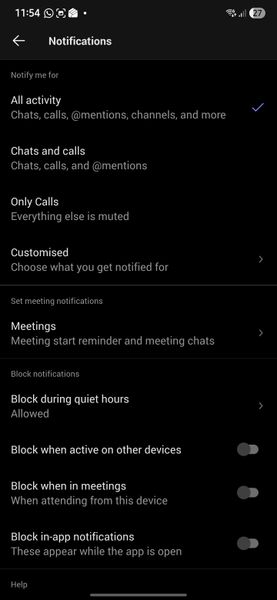
Not receiving any notifications in my Samsung S26 Ultra
Hello, Since I moved to Samsung S26 Ultra, I am not getting any notifications. Following are my settings. Please help to fix the issue. Following are settings in Samsung phone Following are settings in my Teams app in deskop Following is the settings set for all my channels Thanks16Views0likes0CommentsTeams Events Hosting Assistance (TEHA): Expert Guidance for Business-Critical Teams Events
Hosting a CEO Town Hall, CIO broadcast, company-wide announcement, webinar, or large-scale virtual event or a large meeting? TEHA provides direct access to Microsoft event specialists who help customers plan, prepare, deliver, monitor and optimize business-critical Teams events. From planning and technical readiness to live event monitoring and post-event analysis, TEHA works alongside your organization throughout the entire event lifecycle. How TEHA Can Help Event Planning and Readiness Event scoping and guidance Town Hall, Webinar, and Meeting selection Technical readiness assessments Network readiness reviews Microsoft eCDN guidance and validation Training and Rehearsals Producer and presenter training Moderator guidance Dry runs and event rehearsals Event production best practices Live Event Support Real-time event monitoring Operational guidance during the event Support for Town Halls, Webinars, and Meetings Assistance for executive broadcasts and large-scale events Post-Event Analysis Event summary reports Attendance and engagement insights Recording and playback guidance Quality and network observations Log analysis and issue investigation Recommendations for future events Who Typically Uses TEHA? Organizations frequently engage TEHA for: CEO and CIO Town Halls Leadership broadcasts Global employee communications High-visibility webinars Product launches and Critical meetings Company-wide announcements Business-critical virtual events How to Engage TEHA Customers with eligible Premier or Unified Support agreements can request assistance through the Microsoft Engage Centre: Teams Events Hosting Assistance Request Portal If the Engage Centre option is unavailable, contact your Customer Success Account Manager (CSAM) and request TEHA support for your upcoming event. For highly visible events, we recommend engaging early to maximize readiness and planning opportunities. Deliver your next Teams event with confidence.89Views0likes0CommentsMicrosoft Teams Rooms: Platform choice delivers flexibility for your spaces
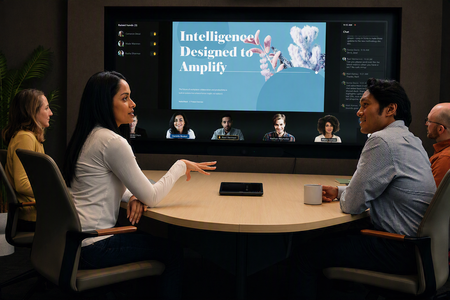
Microsoft Teams Rooms gives organizations the flexibility to create high-quality collaboration experiences across meeting spaces of every kind and size. Often we hear from customers, “which device or which platform should I choose?” The way we think about it is simple: we believe that customers should be empowered to expect high-quality collaboration experiences in any physical space, regardless of what platform they prefer, or the devices they install. We designed the Teams Rooms ecosystem with flexibility and optionality in mind, and those principles still guide us today. With Certified for Teams devices from more than 30 manufacturers, customers have options across a broad ecosystem spanning Windows and Android to select the platform, form factor, and hardware that best fit each space. That range is possible because Teams Rooms embraces a mixed‑platform strategy. Whether you choose Windows or Android, Teams Rooms delivers a high‑quality, feature‑rich experience for joining Teams meetings, with native manageability that keeps devices current. Both platforms are here for the long term, here’s how to think about the choice, and if you choose Android, here’s exactly what the Microsoft Device Ecosystem Platform (MDEP) means for you. Flexibility and choice at the core Our guiding principle for Teams Rooms is flexibility and choice: giving you high‑quality devices and experiences, while letting you pick the platform that best fits your organization and each space. Both platforms share the same foundation: a great in‑meeting experience and cloud‑based manageability. The right answer for platform choice depends on your priorities, not on one platform being superior. Teams Rooms on Windows Some Teams Rooms features and functionality are introduced on Windows before becoming available on Android. That’s because the overall Teams development cycle begins with the Teams Windows desktop app, which makes it faster to deliver new capabilities to Teams Rooms on Windows. Always‑in‑sync updates. Because Windows is a Microsoft platform, we update the operating system and the Teams Rooms app together automatically. USB plug‑and‑play flexibility. Windows lets you mix and match certified peripherals with your chosen compute. A single compute device can support Teams Rooms from one person to 500+ with different cameras, microphones, and speakers, matched to the space. Built for large and evolving spaces. That modularity makes complex rooms easier and supports in‑place upgrades. When you want the latest camera but aren’t ready to replace the whole system, you can disconnect the existing camera and bring in a new one, even from a different manufacturer, without replacing the full room. Teams Rooms on Android Teams Rooms on Android starts from our Android mobile application and adds meeting room specific features and experiences, the lightweight Android operating system brings some advantages as well. Faster installation. Teams Rooms on Android devices are most often all‑in‑one bar form factors, which can make physical installation quicker. A standardized, single‑vendor path. Android devices are typically supported end‑to‑end by a single manufacturer, which helps organizations standardize their hardware selection process. Manufacturer‑managed platform. OEMs create their own OS and firmware updates and peripherals are typically closed and appliance‑like. Where MDEP fits in — if you choose Android We’re continuing to invest in Teams Rooms on Android, and we’re collaborating with the Microsoft Device Ecosystem Platform (MDEP) team to bring more of the manageability and security available on Windows to Android devices. All new Android devices achieving the Certified for Teams designation will include MDEP as a standard. What is MDEP? MDEP is an enterprise‑grade software platform from Microsoft, built on the Android Open Source Project (AOSP). It’s designed to meet high standards of security, reliability, ease of deployment, and innovation, giving enterprises and device makers a consistent, customer‑ready foundation for building and deploying devices at scale. What the collaboration brings to Teams Rooms on Android. Working with MDEP, we’re expanding Microsoft manageability capabilities already available on Teams Rooms on Windows to Teams Rooms on Android, including: Hardware attestation Secure pairing Zero‑touch deployment Expanded security controls Remote manageability Importantly, the underlying operating‑system configuration, peripheral support, management, lifespan, and supportability processes remain with the device manufacturer, who can now bring Microsoft’s enterprise software, security, and cloud services directly into the platform. In short, MDEP enables manufacturers to build devices that take full advantage of Microsoft’s intelligent services, cloud‑connected experiences, and modern management capabilities. This doesn’t impact existing Android devices Certified for Teams, though, they will continue to receive Teams updates until their end‑of‑certification and support dates. One place to manage it all Whichever platform you choose, all Teams devices (Teams Rooms on Windows, Teams Rooms on Android, Teams panels, and Teams phones) are now managed within the Teams Rooms Pro Management portal (PMP). PMP is now the primary destination for inventory, health monitoring, management, and analytics across both Windows and Android, reflecting our long‑term commitment to both platforms, so you can pick a future‑ready platform on the operating system you prefer. Get started Both platforms are here for the long term — so you can choose the operating system you prefer and know it’s future‑ready. As you plan: Track what’s coming. Check the Microsoft 365 Roadmap and the recurring What’s New in Teams blog, where we designate feature availability across Windows and Android. Go deeper on MDEP. Review the MDEP documentation to learn more about the benefits and features in the MDEP Platform Overview Additional resources Certification for Teams devices for IT admins and decision makers Teams certified devices overview Teams Rooms Platform Feature Comparison1KViews1like1Comment
Teams Personal Bot Identity Cache issue
Hi all — looking for guidance on a Teams custom app + bot naming issue. We have a custom Teams app with a bot. The app catalog/admin/dev portal surfaces show the correct app name, and the manifest + Azure Bot configuration appear correctly aligned, but the Teams personal chat surfaces still show the old/wrong bot name. What looks correct: Teams app manifest name.short / name.full have the correct app name Manifest bots[0].botId points to the expected bot ID Azure Bot resource → Configuration → Microsoft App ID matches that bot ID Azure Bot resource → Bot profile display name has the correct name Teams Developer Portal basic information shows the correct name Teams Admin Center shows the correct app short name What is still wrong: Teams left sidebar chat name shows the old/wrong name Chat top header shows the old/wrong name Inline bot sender/name in the conversation shows the old/wrong name The issue reproduces for multiple users It persists after sign out/sign in, uninstall/reinstall, republish, and retesting We may also be seeing a package/version propagation issue: after publishing an updated app package with a newer manifest version, Teams Admin Center still appears to show the previous version. Has anyone seen this before with personal bot apps? Specifically trying to understand: What is the authoritative source for the personal bot chat roster/header/sender display name?156Views0likes1CommentTeams Clamps Down on MOERA-Only Tenants
The latest restriction on tenants using MOERA (service domain) addresses in production is that Teams will restrict external collaboration from September 2026. At this point, there is zero sense in any organization using a MOERA-only tenant for production purposes. Restrictions in Exchange Online and Teams should drive that point home, and the likelihood is that further clampdowns will follow in the future. https://office365itpros.com/2026/09/02/moera-only-tenants-external-collab/78Views0likes0Comments