office 365
381 TopicsWhat’s New in Microsoft EDU, Bett Edition January 2026
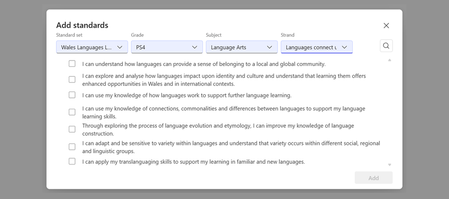
Welcome to our update for Microsoft Education and our special Bett 2026 edition! The Bett conference takes place in London during the week of January 21st - January 23rd, and Microsoft Education has 18 exciting updates to share! Check out the official Bett News blog here, and for our full Bett schedule and session times, be sure to check out our Microsoft EDU Bett 2026 guide. January 2026 topics: Microsoft 365 Updates for Educators Microsoft Learning Zone Microsoft 365 Updates for Students Teams EDU and OneNote EDU Updates Microsoft 365 LTI Updates Minecraft EDU 1. New Educator tools coming to the Teach Module in Microsoft 365 Unit Plans Soon educators will be able to create unit plans in Teach. Using a familiar interface, educators will be able to describe their unit, ground in existing content and educational standards, and attach any existing lesson plans. Unit plans will be created as Microsoft Word documents to facilitate easy edits and sharing. When: Preview in Spring 2026 Minecraft Lesson Plans Minecraft Education prepares students for the future workplace by helping build skills like collaboration, creative problem-solving, communication, and computational thinking. Coming soon, you will be able to create lesson plans in Teach that are fully teachable in Minecraft Education. And if you’re new to Minecraft Education, the lesson plan includes step-by-step instructions to get started. Just like the existing lesson plan tool in Teach, Minecraft Lessons can be grounded on your class details, existing content, and educational standards from 35+ countries. When: Preview in February 2026 Modify Content When: In Preview now Teach supports educators in modifying their existing teaching materials using AI-powered tools that save time and help meet the diverse needs of learners. With Modify existing content, educators can quickly adapt lessons they already use—without starting from scratch—by aligning materials to standards, differentiating instructions, adjusting reading levels, and enhancing text with supporting examples. Each modification tool accepts direct text input or file uploads from cloud storage, making it easy to transform current curriculum resources. These tools help educators maintain instructional intent while ensuring content is accessible, standards aligned, and effective for all learners. Align materials to standards Aligning instructional content to educational standards helps ensure lessons clearly support required learning goals and set the right expectations for learners. The Align to Standards tool rewrites existing lesson instructions so they reflect the intent of the selected standard—focusing on what learners should understand or be able to do—without copying the standard’s wording. Scenario: An educator has a lesson instruction for a reading activity on ecosystems. After selecting a state science standard, the educator uses Align to Standards to produce a revised instruction that emphasizes system interactions and evidence-based explanations while preserving the lesson’s original purpose. This allows the educator to strengthen alignment quickly without rewriting the lesson from scratch. Differentiate instructions Differentiation helps ensure every learner—regardless of readiness, background knowledge, or support needs—can access and engage with instructional tasks. The Differentiate Instructions tool adapts existing instructions based on specific supports an educator selects, such as adjusting reading level, including a single type of scaffold, or targeting a desired length. Because this tool is designed for single shot use, it produces a clear, accurate adaptation that adheres directly to the selected inputs. Scenario: A secondary biology educator has lab instructions written for general education learners but needs versions for learners requiring additional scaffolding. Using Differentiate Instructions, the educator quickly generates modified instructions that include step-by-step breakdowns, sentence starters, or graphic organizers—making the lab more accessible without changing the learning goal. Modify reading level Adjusting the reading level helps ensure instructional content remains accessible while preserving essential vocabulary and core concepts. The Modify reading level tool rewrites text to match a specified grade level, simplifying or increasing complexity as needed while maintaining meaning. Educators can also choose to generate a glossary with clear, age-appropriate definitions of key terms. Scenario: A social studies educator wants students to work with a primary source written at a university reading level. Using Modify reading level, the educator creates a version that maintains the document’s key ideas and important historical terms while simplifying sentence structure for lower secondary learners. By adding a glossary, students can access learner friendly definitions alongside the adapted text. Add supporting examples Concrete examples strengthen understanding by connecting abstract ideas to real world applications. The Add Supporting Examples tool enhances existing instructional content by appending relevant, accurate, and age-appropriate examples—without altering the original paragraph. Scenario: An educator teaching thermal energy transfer has a paragraph explaining that heat moves from warmer objects to cooler ones, but the concept feels abstract. Using Add Supporting Examples, the educator adds real world examples—such as a metal spoon warming in hot soup or an ice cube melting on a countertop—to help learners visualize how heat transfer works. These examples reinforce understanding and make the concept more accessible for secondary learners. Fill in the Blanks, Matching and Quizzing New Learning Activities are coming soon! We’re excited to introduce three new Learning Activities designed to make classroom experiences more dynamic and personalized: Fill in the Blanks, Matching, and Quizzes. Whether it’s completing paragraphs to strengthen comprehension, pairing terms with definitions in a timed matching game, or testing knowledge through quick self-assessments, these activities bring variety and fun to learning. Fill in the blanks creates paragraphs where learners can check their understanding by filling in missing terms. Matching is a game where learners can match terms and definitions while racing against the clock, aiming for fast completion and accuracy. And Quizzes allows students to quiz themselves and assess their comprehension. Learning Activities are available across our education products, in a standalone web app, in the Teach Module, in Teams for Education, in the Study and Learn agent and Study Guides. When: Spring 2026 Teach Module updates in Teams Classwork In Teams Classwork, you can already use Copilot to create Lesson Plans, Flashcards, and Fill in the Blank Activities. Coming this Spring, you will see the ability to create and modify more content, better matching the capabilities of Teach in the Microsoft 365 Copilot App. This includes modifying content with AI, Minecraft Lessons, and more! When: Coming soon Teach Module and Class Notebook integration We're bringing Copilot-powered creation tools directly into OneNote Class Notebook. Teachers will be able to generate Learning Activities and quizzes or modify existing content (like adjusting reading level or adding supporting examples) without leaving the page where they're already planning. When: Coming soon 2. Spark classroom engagement with Microsoft Learning Zone Educators worldwide are always looking for innovative ways to engage students, personalize learning, and support individual growth, yet limited time and resources often stand in their way. Microsoft Learning Zone, a new Windows app, empowers educators to transform any idea or resource into an interactive, personalized lesson using AI on Copilot+ PCs. The app also provides actionable insights to guide instruction and support every student’s progress. Learning Zone is now available to download from the Windows app store and included at no additional cost with all Microsoft Education licenses. Just in time for Bett 2026, Learning Zone has earned the prestigious ISTE Seal of Alignment - a recognized mark of quality, accessibility, and inclusive design. This recognition reflects our commitment to delivering meaningful, inclusive, and research-backed digital learning experiences for every learner. As noted by ISTE reviewers: "Microsoft Learning Zone saves educators valuable time while delivering personalized instruction that addresses individual learning needs." Getting started with Microsoft Learning Zone is simple. Educators begin by defining their lesson goals and preferences and can also choose to reference their teaching materials or trusted in-app resources by OpenStax. From there, AI does the heavy-lifting, generating a complete, interactive lesson with engaging content slides and a variety of practice activities. Educators can also quickly create Kahoot! quizzes using AI, bringing live classroom gamification into their lessons with just a few clicks. Learning Zone is more than content creation; it provides a full classroom-ready solution: from assignment to actionable insights. Once a lesson is created and reviewed, educators can assign it to students. Students complete lessons at their own pace, on any device, while the lesson flow adapts to their responses, helping reinforce understanding, revisit missed concepts, and build confidence over time. Educators, in turn, gain clear, actionable insights into student progress and mastery, enabling them to personalize instruction and better support every learner’s growth. Learning Zone is a classroom ready solution including management and actionable insights Learning Zone also includes an extensive library of ready-to-learn lessons developed in collaboration with leading global organizations, including the Nobel Peace Center, PBS NewsHour, the World Wildlife Fund (WWF), NASA, OpenStax, Figma, and Minecraft Education. Ready-to-learn lessons are available to educators and students on any Windows device and are a great way to inspire curiosity and bring meaningful learning of different subjects into the classroom. Ready-to-learn library in partnership with trusted global organizations Learning Zone is available today: Visit https://learningzone.microsoft.com to learn more and download the app. 3. New AI-powered tools for student learning in Microsoft 365 Study and Learn Agent Bring the interactive, conversational Study and Learn Agent in the Microsoft 365 Copilot App to your students. Available to all Microsoft EDU customers, the agent does not require an additional Copilot license. It is going into preview now, in January 2026. Join the Microsoft Education Insiders community at https://aka.ms/joinEIP and get information about getting access to the Preview. Study and Learn helps learners understand concepts, practice skills with activities like flashcards, and prepare for tests with study guides and quizzes. Additional activities including fill-in-the-blanks, matching, and others that will continue to be added. Purpose-built for learning in collaboration with learning science experts, Study and Learn aims to help foster reflective and critical thinking. Over time, it will provide a more personalized, adaptive, inclusive experience to make learning relevant and bolster motivation. When: January 2026 Preview Learning Activities app The Learning Activities Web App is now here! This web-based experience brings all your favorite activities together in one place, making it easier than ever to create, customize, and share engaging content. Whether you’re an educator designing lessons or a student building study sets, the web app offers a streamlined interface for finding or creating Flashcards and Fill in the Blanks with Matching, and Quizzes coming soon. You can easily access all your activities that you have created in other products from the web app, too. When: Available now! 4. Updates for your favorite teaching tools - Teams EDU and OneNote EDU Set AI Guidelines in Teams To help bring clarity to AI use in the classroom, AI Guidelines in Assignments allow educators to set clear expectations for when and how students can use AI—directly within the assignment experience. Educators start with a set of default, standardized AI use levels, and can apply them at the class or assignment level, with the ability to customize descriptions to reflect their school or district guidelines. These guidelines are clearly visible to students, reducing confusion and supporting responsible, transparent AI use, while also encouraging learners to use secure, education-ready Copilot. When: In Preview Q1 Add Learning Activities to Teams Assignments Learning Activities are coming to Teams Assignments and supported LMS platforms in preview, helping educators integrate interactive practice into the assignment workflows they already use. Educators can add activities such as Flashcards, Fill in the blanks, and Matching, and share resource documents that enable students to create their own learning activities within an assignment or the Classwork module. Students complete activities seamlessly within Assignments or their LMS, with progress captured as part of the assignment experience—supporting active, student driven learning while keeping setup, instruction and review in one familiar place. Students can create their own learning activities from educator-shared resources within an assignment or Classwork. When: In Preview Q1 New information literacy features in Search Progress in Teams Assignments Now students don't just gather sources—they investigate them. Four new research prompts (Source Reputation, Factual Importance, Cross-check, Source Purpose) make their thinking visible as they research. Read more about these new features in the preview blog here, and stay tuned for Microsoft Learn course updates to come. When: Available now Add Learning Zone lessons to Teams Assignments and LMS Learning Zone lessons are coming to Teams Assignments and Microsoft 365 LTI for LMS platforms in preview, allowing educators to bring interactive lessons directly into the assignments and grading workflows they already use. Educators can attach Learning Zone lessons during assignment creation, while students complete them fully embedded within Assignments or their LMS, with progress and scores automatically synchronized for review. This preview helps educators save time, reduce manual setup and grading steps, and confidently deliver interactive learning experiences—while keeping assignment creation, student work, and review all in one place. When: Preview in February Embed Learning Activities in OneNote You asked, we're building it. Soon, learners and educators alike will be able to copy a Learning Activity link, paste it into any OneNote classic page, and have it render inline – all to help folks engage without leaving the page. When: NH Spring 2026 5. Create with Copilot in your LMS In addition to supporting the new Learning Zone lessons in assignments, we are adding exciting new Create with Copilot options in Microsoft 365 LTI which bring the AI-powered capabilities of the Teach Module directly into LMS content creation workflows. From within their course, educators can use Copilot to draft lesson materials and other instructional content which is seamlessly published to the course using familiar Microsoft 365 tools. Create with Copilot is also available in LMS content editors to help educators compose content, discussion posts, and more. This includes the ability to modify existing content, if supported by the LMS platform. By embedding the creation experience where courses are designed and managed, Microsoft 365 LTI helps educators preserve instructional intent, reduce context switching, and move more quickly from planning to teaching. Microsoft 365 LTI is available to any Microsoft Education customer without additional licensing. LMS administrators can deploy the integration to an LTI 1.3 compatible LMS like Canvas, Blackboard, PowerSchool Schoology Learning, D2L/Brightspace and Moodle to get started! When: Preview in February 6. Dedicated servers coming to Minecraft Education Minecraft Education is launching a new feature that enables IT administrators and educators to run dedicated servers to host persistent worlds for use in classrooms and after-school programs, similar to Minecraft Bedrock’s dedicated servers (for the consumer version of the game). Dedicated servers enable cross-tenant gameplay, which is a gamechanger for expanding multiplayer experiences in the classroom or running Minecraft esports programs with other schools. This feature is currently in Beta to release in February for general availability for all Minecraft Education users. (Minecraft Education is available in Microsoft A3 and A5 software subscriptions for schools.) ___________________________________________________________________________________ And finally, just to recap all the news we have for you this month, here’s a quick review of all the features that are generally available or are rolling out soon: Teach Module Microsoft 365 Updates for Educators • Unit Plans – available in spring • Minecraft Lesson plans – preview in February • Modify content – align to standards. Private preview now • Modify content – modify reading level. Private preview now • Modify content – add supporting examples Private preview now • Modify content – differentiate instructions. Private preview now • Teach Module integration into OneNote Class Notebooks – preview in spring Microsoft Learning Zone • Available to download from the Windows store, at no additional cost • Provide full classroom ready solution including lesson management and insights • Teach Module, Teams Assignments and LMS integration in March Microsoft 365 Updates for Students • Study and Learn Agent – preview in late January • Learning Activities – Fill in the Blanks generally available • Learning Activities – Matching Activities in private preview now • Learning Activities – Self-quizzing available in private preview in February Teams and OneNote EDU Updates • Set expected AI use in Assignments – private preview end of January • Add Flashcards to Assignments – private preview in February • New information literacy features in Search Progress • Embed Learning Activities in OneNote – private preview in spring Copilot in your Learning Management System Dedicated Minecraft EDU servers Have any feedback to share with us? As always, we'd love to hear it! Mike Tholfsen Group Product Manager Microsoft Education2.3KViews4likes4CommentsMicrosoft 365 LTI is now Generally Available
Today, Microsoft is announcing a unified LTI® designed to make LMS integrations simple, with powerful capabilities to streamline and simplify deployment. Microsoft 365 LTI enhances your LMS platform whether you’re using Canvas, Schoology, Brightspace, Blackboard, Moodle™, or any other LTI 1.3 capable platform, making it easier than ever for educators and students to leverage the full suite of Microsoft 365 tools within their existing LMS workflows. The new Microsoft 365 LTI combines all the capabilities of the individual tools into one convenient tool--instead of managing multiple LTI integrations, you’ll have one unified solution that is more functional and easier to deploy and maintain. Educators and learners will benefit from a more seamless and up-to-date LMS experience for Microsoft 365 Education. Teach and learn with confidence knowing that Microsoft 365 LTI is backed by Microsoft's industry-leading security and compliance tools with Microsoft 365. Deploy and access the new Microsoft 365 LTI in your LMS with the overview and deployment guides. IMPORTANT: If you've already deployed the Microsoft 365 LTI in preview, you do not need to redeploy in your LMS – However there are a few action items for LMS admins with existing deployments: Review the deployment guide for any updates Revisit your Admin Settings, to review the apps enabled you wish your educators to have access to in their courses Ask your M365 Admin to re-consent to permissions to grant the app additional permission to display Meeting Recordings with the M365 Consent link Microsoft 365 LTI release debuts with OneNote Cass Notebook, Teams, Meetings and Reflect – all generally available. Microsoft Assignments, OneDrive, and Reading Coach join these experiences in preview and will transition to GA as ready. At-a-glance: The Microsoft 365 LTI is now generally available, bringing all your favorite Microsoft Education tools into a single, seamless experience inside your LMS. No more juggling multiple integrations - just streamlined access to everything educators and students need, right where they work. This includes: Unified access to OneDrive, Teams, Class Notebook, Reflect, and more, directly in your LMS Add content, create assignments, and schedule meetings - all from one place New – Reading Coach bringing reading self-practice for students to your LMS No need to enable multiple tools separately or clutter your LMS menus Available for all currently supported LMS platforms, including Canvas by Instructure, PowerSchool Schoology Learning, Blackboard by Anthology, D2L/Brightspace, and Moodle™, and for any LTI 1.3 Advantage compliant platform. Existing LTI retirements: Replaces deprecated Teams Meetings and Team Classes LTI tools sunsetting September 15, 2025 Replaces Microsoft OneDrive LTI, OneNote LTI, Teams Assignments LTI and Reflect LTI as they retire next September 17, 2026 Dive into the new Microsoft 365 LTI to streamline your LMS experience We are bringing our Microsoft 365 Education capabilities for learning management systems together into a single, unified tool to streamline the user experience. Educators will be able to access Learning Accelerators, Reflect, OneDrive, Teams, and more in their LMS courses, without having to enable multiple tools separately, and without overcrowding menus where LTI tools surface. Whether adding content to a module, creating an assignment, or scheduling a meeting for a class, you will be able to easily access Microsoft 365 Education related features directly in your LMS workflow. Microsoft 365 LTI is available for supported LMS platforms, including Canvas by Instructure, PowerSchool Schoology Learning, Blackboard by Anthology, D2L/Brightspace, and Moodle™, and for any LTI 1.3 Advantage compliant platform. Learning Accelerators and AI-enhanced assignments in your LMS - without Microsoft Teams (Preview) With the Microsoft 365 LTI, you will be able to use Learning Accelerators, multiple-document submissions, AI rubric and instructions generation, AI-assisted feedback, auto-graded Forms and other Microsoft Education assignment capabilities directly within your learning management system (LMS), without the need to create and sync a Microsoft Team for your class. Assignments in Microsoft 365 LTI no longer require Teams, enabling more LMS users to benefit from advanced, AI-enhanced capabilities that were formerly exclusive to Microsoft Teams for Education. Assignments can be created, managed, completed, and graded, without leaving your LMS, and grades and feedback will sync automatically to the LMS gradebook. This capability is included automatically in the new Microsoft 365 LTI tool. Existing, Teams-based assignments will continue to work and can be copied to new courses, so no migration is necessary. The assignments functionality in Microsoft 365 LTI replaces the classic Teams Assignments LTI which will retire next September 17, 2026. NEW! - Introducing Reading Coach in your LMS (Preview) Support independent reading with confidence. The Reading Coach student experience is now available in your LMS—offering students personalized reading practice, real-time feedback on fluency and pronunciation, with engaging AI-generated stories, library passages, and the option to add their own content to keep practice fun and fresh. Available now in preview. Teams and Teams Meetings Microsoft 365 LTI replaces the former Teams Classes LTI and Teams Meetings LTI tools which reach end of life on September 15, 2025. The new Teams and Teams Meetings experiences continue in Microsoft 365 LTI with improved user experiences where users can easily schedule, manage, and launch meetings from directly within their LMS course. The tool provides streamlined views of future and past meetings, attendance insights, and a “Meet Now” capability. NEW! view all of your meeting recordings on one place in the Recordings and files tab! Automatic rostering in Class Notebooks returns with the Microsoft 365 LTI In March, we announced the retirement of automatically adding newly rostered students and co-educators to OneNote Class Notebooks provisioned through the LMS using the LTI 1.1 integration. This much-loved feature is back in the new Class Notebook app in Microsoft 365 LTI. Any instructor in the LMS course can create a Class Notebook and all co-educators and students are automatically added to the notebook--even as the LMS roster changes. In addition, the new integration enables OneNote with the benefits of LTI 1.3 conformance and a modernized provisioning flow for educators to easily deploy new Class Notebooks for their courses. Existing notebooks created in the LTI 1.1 integration will continue to work, and sections and pages can be easily copied to new notebooks. The OneNote Class Notebook app in Microsoft 365 LTI replaces the classic OneNote LTI which will retire next September 17, 2026. OneDrive and Microsoft 365 files with embedded editors and new placements (Preview) The new Microsoft 365 LTI tool expands beyond the capabilities of the existing OneDrive LTI tool. The full capabilities of Word, PowerPoint, and Excel, including Microsoft 365 Copilot, are now available within the LMS experience for attaching content resources, collaborative documents (including Collaborations for Canvas Courses and Groups), and students editing and submitting Microsoft 365 documents as an assignment without leaving the LMS. Documents can be embedded or linked into courses and other LMS activities including discussions, announcements, pages, with proper management of permissions to prevent oversharing, and with dedicated course-level storage to support proper document lifecycle management, assignment workflows, and use of Microsoft 365 Copilot. This functionality replaces the classic Microsoft OneDrive LTI which will retire September 17, 2026. Easily add Reflect to your classroom Microsoft 365 LTI also provides easy access to Microsoft Reflect to support student wellbeing in the classroom. Educators can create check-ins, view responses, and monitor trends within an LMS course. Users can access activities from Microsoft and partners such as Calm to support physical and mental wellbeing. The Reflect app in Microsoft 365 LTI replaces the classic Reflect LTI which will retire next September 17, 2026. For more information, and to keep up with future product announcements Please visit the Microsoft Tech Community Education Blog and subscribe to keep up with what’s new in Microsoft Education. You may also sign up to receive email notifications of previews and releases of Microsoft 365 LTI We also hold bi-monthly office hours every first and third Thursday where lots of LMS + Microsoft 365 customers come to discuss scenarios and get assistance from peers, please join us. Microsoft 365 LTI Office Hours 1 st and 3 rd Thursday of each month @11am EST Join link: https://aka.ms/LTIOfficeHours How to get help or send feedback For any issues deploying the integration, our Education Support team is here to help. Please visit https://aka.ms/EduSupport Once deployed, the Microsoft 365 LTI integration has links to Contact Support and Send Feedback from right within the app. These can be found in the user voice menu in the upper right on any view that appears within the LMS. Learn more about Microsoft feedback for your organization. We can’t wait to hear your feedback! Try out the Microsoft 365 LTI today! Learning Tools Interoperability® (LTI®) is a trademark of the 1EdTech Consortium, Inc. (1edtech.org) The word Moodle and associated Moodle logos are trademarks or registered trademarks of Moodle Pty Ltd or its related affiliates.3.7KViews1like0CommentsMicrosoft Education Solutions Guide - available for all IT Admins, partners and schools
What is ESG- Education Solutions Guide The Microsoft Education Solution Guide (ESG) was developed to simplify and enhance understanding of the license features and products that you have available to you in a Microsoft 365 tenant. Initial focus and intent were to create better tools to understand the tenant setup and configuration to enhance security and compliance. Link to full guide is here. It consists of three stages: Goals and Objectives for ESG Goals Develop prescriptive deployment guides that provide a centralized resource with education-specific scenarios to assist organizations in defining, managing, and organizing their tenant and appropriate applications. Reduce the overall complexity of tenant and service deployment. Establish baseline recommended pathways to facilitate a common and agreed-upon configuration based on subject-matter experts. Utilize AI technology to uncover and compare recommended settings against user requirements based on documented configurations. Implement phased configurations to aid customers and partners in understanding what they may not know or should consider during discovery to meet customer expectations. Highlight unused features and products to ensure customers fully leverage the potential and benefits of their purchased product licenses. Identify opportunities for partner participation in achieving customer goals and expectations based on customer requirements and ESG findings. Create an easy pathway for customer change management to enhance control, security, compliance, and privacy of tenants. Develop custom assessments to evaluate product entry for items such as Copilot, Defender, Purview, Intune, Zero-Trust, and Microsoft Entra ID. Objectives Deliver information for features available (used/unused) to users based on license model. Prescriptive recommendations based on education scenarios. - Present upgrade license opportunities from A1 to A3 to A5. Security analysis exposing gaps and issues proactively to allow modifications before it's too late. Promote partner access to customers that have defined gaps based on assessments and are requesting partner assistance. Better discovery and assessment analysis with new tools. Designed to be more self-serving customer and partner access management. Speed up user adoption for educators and IT Admins alike. Recommended Roles for Implementation IT Admin Identity Admin Security Admin Compliance Admin OneDrive Admin SharePoint Admin Exchange Online Admin Teams Admin Navigation ESG has seven main sections in the navigations. ESG – Microsoft Solutions Guide overall, Microsoft Education license (A1-A3-A5), and Microsoft addons licenses. Baseline Phase – Overview, Products and Features, Licenses. All five sections (Setup, Identity, Applications, Security and Compliance, and Devices) Standard Phase - Overview, Products and Features, Licenses All five sections (Setup, Identity, Applications, Security and Compliance, and Devices. Advanced Phase - Overview, Products and Features, Licenses. Three sections (Identity, Applications, and Security and Compliance) Addons – Any addon products and when/where they can be added to your current license configuration. Windows – Education specific Windows based products and features. References – Any process or configuration that is not outlined in the three license phases will be included here. Phases Deployment Sequence The Baseline phase is the first step in the three-phase approach: Baseline (A1) → Standard (A3) → Advanced (A5) The Baseline phase is the foundational first phase in the Microsoft Education Solution Guide deployment sequence, aligned with the Microsoft 365 A1 education license. Standard Phase - The Standard phase is the second phase in the Microsoft Education Solution Guide deployment sequence, aligned with the Microsoft 365 A3 education license. The Advanced phase is the third and most comprehensive phase in the Microsoft Education Solution Guide deployment sequence, aligned with the Microsoft 365 A5 education license. Sections Setup Tenant setup is key to establishing a secure and valid tenant. Setup goes through domain assignments, administration, and service management. Identity Establishing an identity via Microsoft Entra ID and establishing authentication methods, Single Sign-On, and user procurement methodologies. Applications Applications like Microsoft Teams, SharePoint, OneDrive, Exchange Online is the core to a Microsoft tenant. Getting these applications setup are essential to allow users in education to access services and apps like Learning Accelerators. Security and Compliance Security via each phase is essential to maintain order and blocking access for bad actors. Along with security compliance/privacy considerations that are established to adhere to a multitude of local and government requirements worldwide. Devices Managed and unmanaged devices are another key to helping secure the network and potential cyber-security considerations that enter the network via these devices. How do you use ESG? ESG uses deployment guidelines for content that contain education scenario specifics. These prescriptive “Purple Boxes” allow education organizations the ability to see prescriptive guidelines and recommendations based on an edu scenario. ESG has a linked path for each modules based on the phase (Baseline,Standard,Advanced). Users can follow the deployment content to establish or redefine the tenant configuration in order to enable additional services and products. What’s Next Go to https://aka.ms/esg to access Microsoft Education Solutions Guide. Stage 2 – A custom agent to discover the tenant configuration settings and allow customers and partners the ability to qualify what is set to standard recommendation. This agent will also have the ability to access partner content and internal Microsoft resources. Using an AI Agent to discover tenant settings based on Graph API calls and Microsoft MCP Server for Enterprise to evaluate against known Microsoft recommended settings. Part 3 – Change management from discovery data baselines to access and deliver any updates/changes/modifications, daily/weekly/monthly.759Views0likes0CommentsUnleash the power and fun of learning with colorful Microsoft Education Quick Guides - Summer 2024
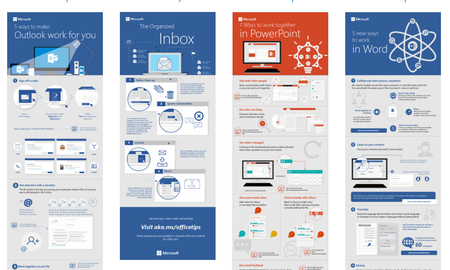
Heather Aird’s Microsoft Education Quick Guides instantly catch the eye with their vibrant colors and engaging design. Gone are the days of dull, text-heavy manuals. These visually stunning guides are a breath of fresh air in the world of educational resources.35KViews20likes16CommentsHow to view all employees in Microsoft Places?
Now that the Favorites feature has been removed and Microsoft Places only shows frequently used people from Microsoft 365 apps, is there a way to see all employees of the company (65 people) in one overview? I’m looking for a way to search this list and ideally sort it alphabetically or by department. Is this functionality planned to return, or is there an alternative way to achieve this today?75Views1like0CommentsCPAi Advisors + Copilot Frontier: Accounting Meets Agent Mode
Hey all — I’m Dan, founder of CPAi Advisors, where boutique accounting meets workflow automation and Microsoft Copilot. I spent years in public company accounting, working across GL, AP/AR, reporting, and compliance — plus deep ERP integrations and technical troubleshooting. After seeing firsthand how manual and fragmented financial workflows can be, I decided to go out on my own and build something smarter: a boutique firm powered by Microsoft 365 Business Premium + Copilot. Now I’m exploring how Office Agent (Frontier) can take things further — not just chat in Word or Excel, but actually carry context across apps and orchestrate real accounting tasks. Here’s what I’m testing: Agent Mode in Excel → financial models, ledger reconciliation, anomaly detection Agent Mode in Word → client-ready reports that pull live spreadsheet data Agent Mode in Outlook → turning email threads into task lists and audit prep Cross-app orchestration → one prompt that builds a report, updates the spreadsheet, and drafts the email 💡 Focus: Copilot in accounting workflows Automating compliance & audit readiness Bridging trust in AI for financial advisory Pushing Agent Mode beyond the obvious Excited to share feedback and help shape what’s next. Let’s make accounting workflows smarter — and a little more fun. Take care & be well!51Views0likes0CommentsOneDrive, Assignments, and Learning Accelerators are now Generally Available in Microsoft 365 LTI
Enhance your LMS with the power of Microsoft 365 Today, Microsoft is announcing general availability of the OneDrive and Assignments (including Learning Accelerators) experiences as part of Microsoft 365 LTI®—bringing seamless integration of Microsoft 365 tools into learning platforms to simplify workflows and enhance teaching and learning whether you’re using Canvas, Schoology, Brightspace, Blackboard, Moodle or other LMS platforms. Microsoft 365 LTI makes it easier than ever for educators and students to leverage the full suite of Microsoft 365 Education tools within existing workflows. And now, the OneDrive, Assignments and Learning Accelerators (Reading Progress, Speaker Progress and more) experiences previewed in July with the new Microsoft 365 LTI build on all the capabilities of the classic tools and add additional features in one convenient tool. Educators and students benefit from a more seamless and up-to-date LMS experience with Microsoft 365 Education. Teach and learn with confidence knowing that Microsoft 365 LTI is backed by Microsoft's industry-leading security and compliance tools with Microsoft 365 Education. Deploy and access the new Microsoft 365 LTI in your LMS today with the overview and deployment guides. IMPORTANT: If you have deployed the Microsoft 365 LTI previously, you do not need to redeploy in your LMS – however, we do recommend reviewing the deployment guide for any new recommendations or deployment guidance, and revisit your Admin Settings to check your M365 Admin Consent status and review the apps enabled for your educators to have access to in their courses. Classic LTI retirements Microsoft OneDrive LTI, OneNote LTI, Teams Assignments LTI and Reflect LTI are set to retire next September 17, 2026. The Microsoft 365 LTI replaces these separate LTI tools going forward and we encourage you to start proactively migrating your course this term. You will find migration guidance in our admin documentation to help take steps now. We will continue to provide any additional migration guidance as necessary OneDrive and Microsoft 365 files with embedded editors and new placements The new Microsoft 365 LTI tool expands beyond the capabilities of the existing OneDrive LTI tool with capabilities for Word, PowerPoint, and Excel, including Microsoft 365 Copilot - and is now available within your LMS experience by embedding or linking documents, videos, PDFs, and images into course materials like assignments, discussions, modules, announcements and more. Microsoft 365 LTI orchestrates management of permissions to prevent oversharing, and with dedicated course-level storage to support proper document lifecycle management, assignment workflows, and use of Microsoft 365 Copilot. With Canvas, Collaborations are supported along with students editing and submitting Microsoft 365 documents as an external tool assignment without leaving your LMS. This functionality replaces the classic Microsoft OneDrive LTI which will retire September 17, 2026. Learning Accelerators and AI-enhanced assignments available in your LMS - without the requirement for Microsoft Teams With Assignments in Microsoft 365 LTI, you will be able to use Learning Accelerators, multiple-document submissions, AI rubric and instructions generation, AI-assisted feedback, auto-graded Forms and other assignment capabilities directly within your learning management system (LMS), without the need to create and sync a Microsoft Team for your class. Assignments in Microsoft 365 LTI no longer require Teams access, enabling more LMS users to benefit from AI-enhanced experiences that were formerly exclusive to Microsoft Teams for Education. And Assignments can be created, managed, completed, and graded, without leaving your LMS with grades and feedback available to sync automatically to the LMS gradebook. New: Improve student speaking and presenting skills in 13 languages with Speaker Progress Exciting new AI Feedback features for educators to leverage, students can practice for in-class presentations or save class time by presenting and turning in their presentations for grading. This capability is included automatically in the new Microsoft 365 LTI tool. Existing, Teams-based assignments will continue to work and can be copied to new courses, so no migration is necessary. The assignments functionality in Microsoft 365 LTI replaces the classic Teams Assignments which will retire September 17, 2026. Dive into the new Microsoft 365 LTI to streamline your LMS experience We are bringing our Microsoft 365 Education capabilities for learning management systems together into a single, unified tool to streamline the user experience. Educators will be able to access Learning Accelerators, Reflect, OneDrive, Teams, and more in their LMS courses, without having to enable multiple tools separately, and without overcrowding menus where LTI tools surface. Whether adding content to a module, creating an assignment, or scheduling a meeting for a class, you will be able to easily access Microsoft 365 Education related features directly in your LMS workflow. Microsoft 365 LTI is available for supported LMS platforms, including Canvas by Instructure, PowerSchool Schoology Learning, Blackboard by Anthology, D2L/Brightspace, Moodle™, and for any LTI 1.3 Advantage compliant platform. Migration guidance and tools Guidance for migrating users from the classic LTI tools to the Microsoft 365 LTI can be found in our First Time Configuration guide. We strongly recommend guiding users to leverage the new experiences for OneDrive, Assignments, Reflect and OneNote Class Notebooks in the Microsoft 365 LTI as the classic experiences are set to retire on September 17 th , 2026. We are working on additional guidance to help with migration of existing content ahead of classic LTI retirements, and more information will be available soon. Compliance and regulatory resources Visit the Microsoft Service Trust Portal to learn how Microsoft cloud services protect your data, and how you can manage cloud data security and compliance for your organization. You will find our latest HECVAT assessment along with other resources for Microsoft 365 LTI and all Microsoft apps and services. For more information, and to keep up with future product announcements Please visit the Microsoft Tech Community Education Blog and subscribe to keep up with what’s new in Microsoft Education. We also hold bi-monthly office hours every first and third Thursday where lots of LMS + Microsoft 365 customers come to discuss scenarios and get assistance from peers, please join us. Microsoft 365 LTI Office Hours 1 st and 3 rd Thursday of each month at 11am EST Join link: https://aka.ms/LTIOfficeHours How to get help or send feedback For any issues deploying the integration, our Education Support team is here to help. Please visit https://aka.ms/EduSupport Once deployed, there are links to Contact Support and Send Feedback from right within the app. These can be found in the user voice menu in the upper right on any view that appears within the LMS. Learn more about Microsoft feedback for your organization. Learning Tools Interoperability® (LTI®) is a trademark of the 1EdTech Consortium, Inc. (1edtech.org) The word Moodle and associated Moodle logos are trademarks or registered trademarks of Moodle Pty Ltd or its related affiliates.773Views1like0CommentsAI-powered Teach Module in M365 now rolled out to all educators!
Here is an end-to-end tutorial video on the new AI-powered "Teach" module in M365 Copilot. This is available today for ALL Microsoft 365 educators globally! Includes: 📘 Lesson plans 📊 Rubrics 📝 Quizzes 🌍 Standards grounding (35 countries) 🎯 Learning Activities ➕ Lots more YouTube 📺 https://youtu.be/WkXVukl62KU?si=UT3FzN5fqXQ7KlBd128Views3likes0CommentsNew OneNote Class Notebook LTI 1.3 integration in the Microsoft 365 LTI app
OneNote Class Notebook is entering a new era with a modern, unified LTI® 1.3 integration (as part of the Microsoft 365 LTI app) that brings back automatic roster sync and streamlines how educators and students use Class Notebooks within their LMS. This update is designed to benefit both educators and IT admins, making it easier to set up Class Notebooks and keep them in sync with course enrollments. In this article, we’ll cover the key new features, use cases, and next steps -- and how the new integration replaces the older LTI 1.1 tool (which is retiring in 2026). Quick recap: OneNote Class Notebook OneNote Class Notebook is a digital binder designed for classrooms, giving educators and students a flexible space to organize and collaborate. Each notebook includes a personal workspace for every student, a content library for handouts, and a collaboration space for group work. Educators can distribute pages, provide feedback, and manage class materials all in one place, while students can take notes, complete assignments, and access resources anytime, on any device--to make learning more organized and interactive. Seamless Class Notebook setup for educators Setup is simple. Once your LMS has the Microsoft 365 LTI app, any instructor can create a Class Notebook right from the course. Check out the more detailed instructions here. Open the Microsoft 365 LTI app in your course. Select Class Notebook. Customize the learner notebook sections (or accept defaults). Create and then Open Notebook. Your notebook is automatically shared with all students and instructors as they access the notebook. Students can launch the notebook from the LMS with single sign-on, making access seamless. Automatic roster sync returns Automatic roster sync is back with LTI 1.3. When you create a Class Notebook via your LMS, students and instructors are added with the right permissions and stay in sync as the course roster changes, with no need for manual updates. This results in less admin work and fewer access gaps as your notebook stays current with your class list. Powered by LTI 1.3 – Unified, Secure, and Future-Ready LTI 1.3 (with LTI Advantage) brings modern security and interoperability as part of the unified Microsoft 365 LTI app -- which covers Class Notebook, Assignments, OneDrive files, Teams, Reflect, and more -- to meet current standards and work reliably across LTI 1.3-compatible LMS platforms. For admins, one LTI app means simpler deployment and fewer plugins to manage, while configuration settings help you choose which components (OneNote, Teams, etc.) to enable or disable within the Microsoft 365 for your organization. This gives schools flexibility to roll out tools at your own pace. This new LTI integration also includes automatic identity mapping and course enrollment syncing. Meanwhile, educators gain access to a single hub for Microsoft 365 tools and can surface (or hide) components that are approved by the administrator. For educators using Class Notebook, provisioning is streamlined: launching Class Notebook creates and links the right OneNote space to the course with minimal friction. Key dates: Transitioning from classic LTI and next steps The classic OneNote Class Notebook LTI 1.1 will retire on September 17, 2026, so it’s best to plan to move to the Microsoft 365 LTI app before then. Existing Notebooks will still work, and you can copy pages/sections into new Notebooks as needed. Educators: once your administrator has installed the new Microsoft 365 LTI app, look for it in your course, choose Class Notebook, and follow the prompts to create a Notebook in just a few clicks. You can see detailed steps here. Admins: To deploy the Microsoft 365 LTI 1.3 app in your LMS, check out prerequisites, configuration steps, and troubleshooting tips in the official deployment guide is available on Microsoft Learn at aka.ms/LMSAdminDocs. Check out the deep dive video Watch the video below to get quick tips and see the OneNote Class Notebook LTI 1.3 integration (and more) in action in the new Microsoft 365 LTI app! Join the community! Microsoft also holds bi-monthly office hours every first and third Thursday of each month, where LMS platform customers and Microsoft 365 customers join from around the world to ask questions, share feedback, discuss scenarios, and get assistance from Microsoft and peers. Feel free to join us: Microsoft 365 LTI Office Hours 1st and 3rd Thursday of each month @11am EST Join link: https://aka.ms/LTIOfficeHours You can also join the free Education Insiders Program to preview updates, get support from other Class Notebook community members, meet the team, and influence the roadmap. Need help with a specific issue? Contact Microsoft Education support at aka.ms/EduSupport. We can’t wait to hear your feedback! Learning Tools Interoperability® (LTI®) is a trademark of the 1EdTech Consortium, Inc. (1edtech.org)573Views0likes0Comments