build
42 TopicsHow Microsoft Marketplace and ecosystem partnerships are reshaping enterprise go-to-market
Author Juhi Saha is CEO at Partner1, a two-time Inc. Power Partner Award winner and an official Microsoft Partner Led Network. Partner1 helps B2B software and services companies maximize the value of their partner ecosystems and transform partnerships into scalable profit engines. Specializing in channel development and strategic alliances, Partner1 empowers organizations to unlock their partnership potential through expert guidance, partnership program design, and actionable growth strategies. By focusing on partner-driven growth, Partner1 helps businesses, from startups to scale-ups, maximize revenue, accelerate market expansion, and build a lasting competitive advantage. ________________________________________________________________________________________________________________________________________________________________ Key takeaways from recent NYC founder and investor events “It’s no longer the era of go fast. It’s the era of go faster.” That sentiment, shared by an investor during one of our recent New York City gatherings, captures a broader shift underway in how startups are expected to scale. Speed is no longer just a function of product development or hiring. It is increasingly a function of how effectively companies leverage platforms, ecosystems, and commercial infrastructure that already exist. Over the past several weeks, Partner1 hosted two curated events bringing together founders, investors, and ecosystem leaders to explore how startups are accessing enterprise customers and accelerating growth through partnerships. The conversations centered on a practical question that continues to surface across early-stage and growth-stage companies: how do startups break into enterprise and scale in a market defined by AI, platforms, and increasingly complex buying environments? What emerged from these discussions is a clear pattern: the traditional model of building a product, hiring a sales team, and scaling through direct enterprise relationships is being supplemented, and in many cases replaced, by ecosystem-led growth. Partnerships are no longer a downstream channel decision. They are becoming a primary system through which companies access customers, accelerate revenue, and compete. Across both sessions, with perspectives from leaders at Microsoft, NVIDIA, Plug and Play Tech Center, and investors including Trajectory Ventures, several consistent themes emerged around how this shift is playing out in practice. Marketplace is becoming the default commercial infrastructure Evaluate your Marketplace readiness- understand how Microsoft Marketplace supports discovery, procurement, and scalable growth, and were your solution fits today. One of the most concrete shifts discussed was the role of Marketplace as the commercial backbone for modern software transactions. Marketplace is no longer positioned as an optional distribution channel. It is increasingly how Microsoft goes to market with software companies of all sizes, and how customers expect to discover, evaluate, and procure solutions. This shift is being driven by practical realities. Enterprise procurement has historically been one of the most significant sources of friction in software sales. Vendor onboarding, legal negotiations, billing complexity, and fragmented purchasing processes extend deal cycles and introduce risk. Marketplace addresses these issues directly by standardizing terms, consolidating billing, and pre-vetting vendors through the publisher agreement. These are not cosmetic improvements. They materially change how quickly transactions can occur. During the discussions, the Marketplace opportunity was reinforced with both data and real examples. Marketplace is enabling larger deals, faster sales cycles, and measurable revenue growth for companies that treat it as a core go-to-market motion and speakers shared examples from companies like Neo4j, Pangaea Data and ShookIoT. The examples shared ranged from small, niche startups closing their largest deals through Marketplace to companies significantly expanding their customer base by leveraging Microsoft’s commercial infrastructure. What stands out is that these outcomes are not isolated. They are becoming repeatable. As customer awareness of Marketplace increases, it is increasingly seen as the fastest path to the right solution, regardless of who built it. Several startups shared how their deals languished in procurement and were excited to hear from other companies in attendance around how they successfully used Marketplace to speed up procurement. Rethinking scale: why “Microsoft is too big” is the wrong assumption A recurring concern from founders was whether they are too early or too small to meaningfully engage with Microsoft. This perception is common, but it does not reflect how the ecosystem is evolving. The perspective shared by Microsoft leaders was clear. AI-native startups are not peripheral to the ecosystem. They are central to it. Supporting startups is not about proximity to large partners. It is about helping early-stage companies build faster, reduce risk, and reach enterprise customers sooner. This dynamic was described as a balance. Startups bring speed, specialization, and differentiated AI use cases. Microsoft brings global reach, enterprise relationships, and a mature commercial engine. When aligned, that combination becomes a multiplier. Multiple conversations touched on how Marketplace is where this alignment materializes. It serves as the convergence point between innovation and demand. Whether a company is early-stage or scaling, it provides a consistent path to reach customers and transact at enterprise scale. The implication is direct. Companies should not wait to be “big enough.” They should start early with Microsoft Marketplace and design for this motion from the beginning. The results will be reduced friction and enable them to reach enterprise customers faster. Co-sell is evolving from access to alignment Many founders approach partnerships with a familiar question: how do we get Microsoft sellers to pay attention to us? That framing is increasingly misaligned with how the system actually works. The more scalable model described in the sessions is based on alignment rather than attention. Becoming co-sell eligible is important, particularly as solutions begin to align with Azure consumption and commercial priorities. However, co-sell eligibility is a starting point. It allows a solution to be recognized within Microsoft’s system and to count toward seller objectives. The more important shift is where growth actually comes from. The fastest growing motion is not seller-led. It is partner-to-partner. System integrators and channel partners already have established customer relationships. They are the ones driving adoption at scale. Microsoft’s investment in channel-led growth reflects this, with partner-led motions representing one of the highest growth vectors. The takeaway for founders is practical: instead of asking how to get seller attention, the better question is how to become easy for partners to sell. Alignment to platform, customer need, and partner incentives drives outcomes more reliably than individual relationships. Partnerships are not a channel. They are a go-to-market system One of the most consistent misconceptions observed across attendees was treating partnerships as a secondary channel, but insights from the panelists as well as conversations during networking sessions highlighted how partnerships function as an integrated system that shapes how companies build, sell, and scale. Marketplace, co-sell eligibility, and partner-to-partner relationships are interconnected. Product decisions influence how easily a solution can be transacted. Marketplace presence influences discovery and procurement. Partner relationships determine how widely a solution can be distributed. This system view is especially important in AI. As solutions become more complex, both buyers and sellers are optimizing for simplicity and speed. Centralized platforms and ecosystems provide a way to meet those requirements. Companies that treat partnerships as a system create compounding advantages. Those that treat them as an add-on often struggle to gain traction, even with strong products. Expanding beyond enterprise: a multi-segment opportunity While many startups initially focus on landing large enterprise customers, the opportunity within the Microsoft ecosystem is broader. Microsoft’s reach extends across enterprise, mid-market, and SMB segments. With the rise of AI and agent-based solutions, there is increasing focus on embedding applications into environments where customers already operate, such as Microsoft 365, and leveraging channel partners to scale distribution. This creates a unified go-to-market path that spans multiple segments. Startups can reach enterprise customers while also expanding into mid-market and SMB through the same ecosystem infrastructure. Channel partners play a critical role in this expansion. They provide access, distribution, and scale that would be difficult to replicate through direct sales alone. For startups, this represents a meaningful opportunity to grow faster and more efficiently across segments. Investor perspective: partnerships as a signal of maturity From an investor standpoint, partnerships are increasingly a signal of go-to-market maturity. The ability to leverage platforms, align with ecosystem dynamics, and accelerate revenue through structured partnerships is becoming a differentiator. Going back to the investor’s comment that “It’s no longer the era of go fast. It’s the era of go faster. I am going to ask all my portfolio companies about their marketplace strategy.” - this reflects a broader shift in evaluation criteria. Marketplace and ecosystem alignment are not viewed as optional enhancements. They are becoming central to how companies compress time to revenue and scale efficiently. When evaluating companies with similar technical capabilities, investors are looking closely at how founders approach distribution. Companies with a clear strategy for leveraging ecosystems and Marketplace are often better positioned to scale with less friction and more capital efficiency. A practical starting point The guidance shared across both events was consistent and actionable. Start early. Do not wait for a specific stage to engage with the ecosystem. Build on the platform with clear, differentiated use cases that solve real customer problems. Treat Marketplace as a core go-to-market motion. This includes investing in strong listings, clear pricing, and a working knowledge of Marketplace capabilities such as private offers and partner-led transactions. Design for partner-to-partner distribution. Ensure that your solution is easy for others to position, sell, and deploy within existing customer environments. At a fundamental level, the objective is to reduce friction. Companies that are easy to buy, easy to deploy, and easy for partners to sell are the ones that scale most effectively. Enterprise growth is no longer driven solely by direct sales execution. It is increasingly shaped by how well a company integrates into an ecosystem that already has distribution, demand, and commercial infrastructure. For startups building in AI and enterprise software, the question is no longer whether to engage with platforms like Microsoft. It is how early and how intentionally they design for it. The companies that do this well are not simply participating in the ecosystem. They are using it to accelerate outcomes that would be difficult to achieve on their own. Live in NYC on April 21st: Hear from Redis, Datadog, Eden and Microsoft on how strategic Marketplace partnerships are built and scaled in practice Strategic partnerships across hyperscalers, database providers, observability platforms, and application ecosystems are no longer abstract concepts, but important GTM relationships. As customers' infrastructure becomes more complex, they require solutions that are interoperable, scalable, and easy to implement. With the rise of AI, marketplaces have become critical enablers of technology adoption. With each product offering a wide range of integrations, it's the first-party relationships between providers that set these solutions apart, delivering best-in-class support for customers' infrastructure. Partnerships, like those between Microsoft, Datadog, Eden, and Redis, accelerate and derisk enterprise cloud transformations, with the Microsoft Marketplace playing a central role in how services are delivered and scaled. Eden's migration platform, Exodus, enables zero-downtime database migrations, while Datadog is deeply integrated to ensure that these autonomous migrations are fully observed. Azure Managed Redis is a first-party Azure service that is becoming foundational for customers optimizing their data infrastructure for modern and agentic AI workloads. Eden and Datadog's autonomous migration service for Azure Managed Redis is now available on Microsoft Marketplace, making it easy for enterprises to get the most out of new Redis products. As enterprises make this shift, a broader pattern is emerging in which marketplaces are not just procurement vehicles but also enablers of ecosystem execution, particularly in the context of AI. Many AI initiatives fall short not because of model capability, but because underlying infrastructure and data environments are not properly optimized. Migrations, when executed well, become an opportunity to modernize architecture, improve performance, and prepare for scalable AI and agent deployments. Through coordinated partnerships across Microsoft, Eden, Datadog, and Redis, companies are aligning product, sales, and delivery into a unified operating model that accelerates time to value and reduces risk for enterprise customers. This is all before discussing AI as an autonomous agent for deploying new infrastructure via marketplaces. If you want to understand how these partnership models are being built in practice, and how to use marketplaces and ecosystem alignment to unlock growth and AI readiness in your own organization, this event will provide a direct view into how leading companies are executing today. Sign up here and follow for more events with partners for partners by Partner1 and Microsoft. Resources Marketplace readiness assessment Learn more about Microsoft Marketplace: Microsoft Marketplace overview - Marketplace customer documentation | Microsoft Learn Explore Microsoft Marketplace Microsoft Marketplace | cloud solutions, AI apps, and agents Join Microsoft Marketplace community: Microsoft Marketplace community | Microsoft Community Hub114Views1like0CommentsAI apps and agents: choosing your Marketplace offer type
Choosing your Marketplace offer type is one of the earliest—and most consequential—decisions you’ll make when preparing an AI app for Microsoft Marketplace. It’s also one of the hardest to change later. This post is the second in our Marketplace‑ready AI app series. Its goal is not to push you toward a specific option, but to help you understand how Marketplace offer types map to different AI delivery models—so you can make an informed decision before architecture, security, and publishing work begins. This post is part of a series on building and publishing well-architected AI apps and agents on Microsoft Marketplace. Why offer type is an important Marketplace decision Offer type is more than a packaging choice. It defines the operating model of your AI app on Marketplace: How customers acquire your solution Where the AI runtime executes Determining the right security and business boundaries for the AI solution and associated contextual data Who operates and updates the system How transactions and billing are handled Once an offer type is selected, it cannot be changed without creating a new offer. Teams that choose too quickly often discover later that the decision creates friction across architecture, security boundaries, or publishing requirements. Microsoft’s Publishing guide by offer type explains the structural differences between offer types and why this decision must be made up front. How Marketplace offer types map to AI delivery models AI apps differ from traditional software in a few critical ways: Contextual data may need to remain in a specific tenant or geography Agents may operate autonomously and continuously Control over infrastructure often determines trust and compliance How the solution is charged and monetized, including whether pricing is usage‑based, metered, or subscription‑driven (for example, billing per inference, per workflow execution, or as a flat monthly fee) The buyer’s technical capability, including the level of engineering expertise required to deploy and operate the solution (for example, SaaS is generally easier to consume, while container‑based and managed application offers often require stronger cloud engineering and DevOps skills) Marketplace offer types don’t describe features. They define responsibility boundaries—who controls the AI runtime, who owns the infrastructure, and where customer data is processed. At a high level, Marketplace supports four primary delivery models for AI solutions: SaaS Azure Managed Application Azure Container Virtual Machine Each represents a different balance between publisher control and customer control. The sections below explain what each model means in practice. Check out the interactive offer selection wizard in App Advisor for decision support. Below, we unpack each of the offer types. SaaS offers for AI apps SaaS is the most common model for AI apps and agents on Marketplace—and often the default starting point. With a SaaS offer, the AI service runs in the publisher’s Azure environment and is accessed by customers through a centralized endpoint. This model works well for: Multi‑tenant AI platforms and agents Continuous model and prompt updates Rapid experimentation and iteration Usage‑based or subscription billing Because the service is centrally hosted, publishers retain full control over deployment, updates, and operational behavior. For multi-tenant AI apps, this also means making early decisions about Microsoft Entra ID configuration—such as how customers are onboarded, whether access is granted through tenant-level consent or external identities, and how user identities, roles, and data are isolated across tenants to prevent cross-tenant access or data leakage. For official guidance, see the SaaS section of the Marketplace publishing guide and the AI agent overview, which describes SaaS‑based agent deployments. Plan a SaaS offer for Microsoft Marketplace. Azure Managed Applications for AI solutions In this model, the solution is deployed into the customer’s Azure subscription, not the publisher’s. There are two variants: Managed applications, where the publisher retains permissions to operate and update the deployed resources Solution templates, where the customer fully manages the deployment after installation This model is a strong fit when AI workloads must run inside customer‑controlled environments, such as: Regulated or sensitive data scenarios Customer‑owned networking and identity boundaries Infrastructure‑heavy AI solutions that can’t be centralized Willingness or need on part of the customer or IT team to tailor the app to the needs of the end customer specific environment Managed Applications sit between SaaS and fully customer‑run deployments. They offer more customer control than SaaS, while still allowing publishers to manage lifecycle aspects when appropriate. Marketplace guidance for Azure Applications is covered in the publishing guide. For more information, see the following links: Plan an Azure managed application for an Azure application offer. Azure Container offers for AI workloads With container offers, the customer runs the AI workload—typically on AKS—using container images supplied by the publisher. This model is best suited for scenarios that require: Strict data residency Air‑gapped or tightly controlled environments Customer‑managed Kubernetes infrastructure The publisher delivers the container artifacts, but deployment, scaling, and runtime operations occur in the customer’s environment. This shifts operational responsibility, risk and compute costs away from the publisher and toward the customer. Container offer requirements are covered in the Marketplace publishing guide. Plan a Microsoft Marketplace Container offer. Virtual Machine offers for AI solutions Virtual Machine offers still play a role, particularly for specialized or legacy AI solutions. VM offers package a pre‑configured AI environment that customers deploy into their Azure subscription. Compared to other models, they offer: Updates and scaling are more tightly scoped Iteration cycles tend to be longer The solution is more closely aligned with specific OS or hardware requirements They are most commonly used for: Legacy AI stacks Fixed‑function AI appliances Solutions with specialized hardware or driver dependencies VM publishing requirements are also documented in the Marketplace publishing guide. Plan a virtual machine offer for Microsoft Marketplace. Comparing offer types across AI‑specific decision dimensions Rather than asking “which offer type is best,” it’s more useful to ask what trade‑offs you’re making. Key lenses to consider include: Who operates the AI runtime day‑to‑day Where customer data and AI prompts inputs and outputs are processed and stored How quickly models, prompts, and logic can evolve The balance between publisher control and customer control How Marketplace transactions and billing align with runtime behavior SaaS Container (AKS / ACI) Virtual Machine (VM) Azure Managed Application What it is Fully managed, externally hosted app integrated with Marketplace for billing and entitlement Containerized app deployed into customer-managed Azure container environments VM image deployed directly into the customer’s Azure subscription Azure native solution deployed into the customer’s subscription, managed by the publisher Control plane Publisher‑owned Customer owned Customer owned Customer owned (with publisher access) Operational model Centralized operations, updates, and scaling Customer operates infra; publisher provides containers Customer operates infra; publisher provides VM image Per customer deployment and lifecycle Good fit scenarios • Multi‑tenant AI apps serving many customers • Fast onboarding and trials • Frequent model or feature updates • Publisher has full runtime control • AI apps or agents built as microservices • Legacy or lift-and-shift AI workloads • Enterprise AI solutions requiring customer owned infrastructure Avoid when • Customers require deployment into their own subscription • Strict data residency mandates customer control • Offline or air‑gapped environments are required • Customers standardize on Kubernetes • Custom OS or driver dependencies • Tight integration with customer Azure resources Typical AI usage pattern Centralized inference and orchestration across tenants • Portability across environments is important • Specialized runtime requirements • Strong compliance and governance needs Different AI solutions land in different places across these dimensions. The right choice is the one that matches your operational reality—not just your product vision. Note: If your solution primarily delivers virtual machines or containerized workloads, use a Virtual Machine or Container offer instead of an Azure Managed Application. Supported sales models and pricing options by Marketplace offer type Marketplace offer types don’t just define how an AI app and agent is deployed — they also determine how it can be sold, transacted, and expanded through Microsoft Marketplace. Understanding the supported sales models early helps avoid misalignment between architecture, pricing, and go‑to‑market strategy. Supported sales models Offer type Transactable listing Public listing Private offers Resale enabled Multiparty private offers Azure IP Co‑sell eligible SaaS Yes Yes Yes Yes Yes Yes Container Yes Yes Yes No Yes Yes Virtual Machine Yes Yes Yes Yes Yes Yes Azure Managed Application Yes Yes Yes No Yes Yes What these sales models mean Transactable listing A Marketplace listing that allows customers to purchase the solution directly through Microsoft Marketplace, with billing handled through Microsoft. Public listing A listing that is discoverable by any customer browsing Microsoft Marketplace and available for self‑service acquisition. Private offers Customer‑specific offers created by the publisher with negotiated pricing, terms, or configurations, purchased through Marketplace. Resale enabled Using resale enabled offers, software companies can authorize their channel partners to sell their existing Marketplace offers on their behalf. After authorization, channel partners can independently create and sell private offers without direct involvement from the software company. Multiparty private offers Private offers that involve one or more Microsoft partners (such as resellers or system integrators) as part of the transaction. Azure IP Co‑sell eligible When all requirements are met this allows your offers to contribute toward customers' Microsoft Azure Consumption Commitments (MACC). Pricing section Marketplace offer types determine the pricing models available. Make sure you build towards a marketplace offer type that aligns with how you want to deploy and price your solution. SaaS – Subscription or flat‑rate pricing, per‑user pricing, and usage‑based (metered) pricing. Container – Kubernetes‑based offers support multiple Marketplace‑transactable pricing models aligned to how the workload runs in the customer’s environment, including per core, per core in cluster, per node, per node in cluster, per pod, or per cluster pricing, all billed on a usage basis. Container offers can also support custom metered dimensions for application‑specific usage. Alternatively, publishers may offer Bring Your Own License (BYOL) plans, where customers deploy through Marketplace but bring an existing software license. Virtual Machine – Usage-based hourly pricing (flat rate, per vCPU, or per vCPU size), with optional 1-year or 3-year reservation discounts. Publishers may also offer Bring Your Own License (BYOL) plans, where customers bring an existing software license and are billed only for Azure infrastructure. Azure Managed Application – A monthly management or service fee charged by the publisher; Azure infrastructure consumption is billed separately to the customer. Note: Azure Managed Applications are designed to charge for management and operational services, not for SaaS‑style application usage or underlying infrastructure consumption. Buyer‑side assumptions to be aware of For customers to purchase AI apps and agents through these sales models: The customer must be able to purchase through Microsoft Marketplace using their existing Microsoft procurement setup Marketplace purchases align with enterprise buying and governance controls, rather than ad‑hoc vendor contracts For private and multiparty private offers, the customer must be willing to engage in a negotiated Marketplace transaction, rather than pure self‑service checkout Important clarification Supported sales models are consistent across Marketplace offer types. What varies by offer type is how the solution is provisioned, billed, operated, and updated. Sales flexibility alone should not drive offer‑type selection — it must align with the architecture and operating model of the AI app and agent. How this decision impacts everything that follows Offer type decisions ripple through the rest of the Marketplace journey. They directly shape: Architecture design choices Security and compliance boundaries Fulfillment APIs and billing integration Publishing and certification requirements Cost, scalability, and operational responsibility Follow the series for updates on new posts. What’s next in the journey With the offer type decision in place, the focus shifts to turning that choice into a production‑ready solution. This includes designing an architecture that aligns with your delivery model, establishing clear security and compliance boundaries, and preparing the operational foundations required to run, update, and scale your AI app or agent confidently in customer environments. Getting these elements right early reduces rework and sets the stage for a smoother Marketplace journey. Key resources See curated, step-by-step guidance to help you build, publish, or sell your app or agent (no matter where you start) in App Advisor Quick-Start Development Toolkit Microsoft AI Envisioning Day Events How to build and publish AI apps and agents for Microsoft Marketplace Get over $126K USD in benefits and technical consultations with ISV Success127Views4likes0CommentsSuccess with AI apps and agents on Marketplace: the end-to-end
Preparing an AI app or agent for Microsoft Marketplace requires solving a broader set of problems—ones that extend beyond the model and into architecture, security, compliance, operations, and commerce. These requirements often surface late, when teams are already moving toward launch. Teams often reach the same milestone: the AI works, the demo is compelling, and early customers are interested. But when it’s time to publish, transact, and operate that solution through Marketplace, gaps emerge—around security, compliance, reliability, operations, or commerce integration. Whether you are demo ready or starting with a great AI idea, this series is designed to address those challenges through a connected, end‑to‑end journey. It brings together the decisions and requirements needed to build AI apps and agents that are not only functional, but Marketplace‑ready from day one. This post is part of a series on building and publishing well-architected AI apps and Agents on Microsoft Marketplace. Why an end‑to‑end journey matters A working AI app does not automatically mean a Marketplace‑ready AI app. Marketplace readiness spans far more than model selection or prompt engineering. It requires a holistic approach across: Architecture and hosting design Security and AI guardrails Compliance and governance Operational maturity Commerce, billing, and lifecycle integration While guidance exists across each of these areas, it is often fragmented. This series connects those pieces into a single, reusable mental model that software companies can use to design, build, publish, and operate AI apps and agents with confidence. This first post frames the journey. Each subsequent post goes deep into one stage. The marketplace‑ready AI app and agent lifecycle At a high level, Marketplace‑ready AI apps and agents follow this lifecycle: Define how the AI app and agent will be delivered Identify industry compliance and regulatory requirements Design a production‑ready AI architecture Embed security and AI guardrails into the design Validate compliance and governance Build and test an MVP with potential customers Build for quality, reliability, and scale Integrate with Marketplace commerce Prepare for publishing and go‑live Operate, monitor, and evolve safely Promoting your AI app and agent to close initial sales This lifecycle is intentionally introduced once, at a high level. Decisions made early will shape everything that follows. Throughout the series, this lifecycle serves as a shared reference point. Step 1: Decide how your AI app and agent will be packaged and delivered The first decision is how the AI app and agent will be delivered through Marketplace. Offer types—such as SaaS, Azure Managed Applications, Containers, and Virtual Machines—are not just listing formats. They are delivery models that directly impact: Identity and authentication Billing and metering Deployment responsibilities Operational ownership Customer onboarding experience Supported sales models Choosing an offer type early helps avoid costly redesigns later. Step 2: Design a production‑ready AI architecture Marketplace AI apps and agents are expected to meet enterprise customer expectations for performance, reliability, and security. Architecture decisions must account for: Customer business, compliance, and security needs Offer‑specific hosting best practices For example, SaaS offers typically require: Tenant isolation Environment separation Strong identity boundaries Architecture must also support both AI behavior and Marketplace lifecycle events, such as provisioning, subscription changes, and entitlement checks. Step 3: Secure the AI app and agent and define guardrails Security cannot be treated as a certification checklist at the end of the process. AI introduces new risks beyond traditional applications, including expanded attack surfaces through prompts and inputs. Frameworks such as the OWASP GenAI Top 10 provide a useful lens for identifying these risks. Guardrails must be enforced: At design time through architecture and policy decisions At runtime through monitoring, enforcement, and response AI‑specific incident response must also factor in privacy regulations and customer trust. Step 4: Treat AI agents as compliance‑governed systems AI agents and their data are first‑class compliance subjects. This includes: Prompts and responses Contextual and training data Actions taken by the agent These artifacts must be auditable and governed inline, not retroactively. At the same time, publishers must balance compliance with intellectual property protection by enabling explainability and transparency without exposing proprietary logic. Step 5: Build for quality, reliability, and scale Marketplace buyers expect predictable behavior. AI apps and agents should formalize: Quality and evaluation frameworks Reliability and performance targets Scaling and cost optimization strategies Quality, reliability, and performance directly influence customer trust and satisfaction. Step 6: Integrate with Marketplace commerce and lifecycle APIs Marketplace is not “just a listing.” For transactable offers that help you sell globally direct to customers or through channel and allow customers to count sales of your app against their cloud commitments, Marketplace becomes an operational contract. Subscription state, entitlements, billing, and metering are runtime responsibilities of the application. For SaaS offers, SaaS Fulfillment APIs define the source of truth for subscription lifecycle events. Integrate Marketplace lead flows with your CRM using the Marketplace lead connector for CRM Step 7: Prepare for publishing, certification, and go‑live Publishing requires more than code completion. Marketplace certification validates: Security posture Customer experience Operational readiness Using templates, checklists, and tooling such as Quick Start Development Toolkit, Marketplace Rewards resources, and App Advisor reduces friction and rework. Step 8: Operate and evolve safely after go‑live Launch is not the end of the journey. AI apps and agents evolve continuously, making: Safe deployment strategies CI/CD discipline Rollback and monitoring practices This is essential for protecting both customers and publishers. Operational maturity also includes maintaining Marketplace offer assets (store images) as the product evolves. Use this framework to help you build a production ready AI app and agent, well architected, secured, reliable, scalable and integrated with Microsoft Marketplace global commerce engine. Step 9: Promote your AI app and agent Becoming Marketplace‑ready does not end at publication. AI app and agent success also depends on how effectively the solution is discovered, evaluated, and trusted by customers within Microsoft Marketplace and the broader Microsoft ecosystem. Promotion in Microsoft Marketplace is tightly integrated with how customers discover and purchase solutions. AI apps and agents are surfaced through Marketplace search, categories, and in‑product experiences, and once your AI app or agent becomes Azure IP co-sell eligible - the purchase of your offer can count towards your customers' Microsoft Azure Consumption Commitments (MACC) motivating customers to buy your offer. This reduces buying friction and accelerates evaluation‑to‑purchase transitions. Top activities to grow your sales: Optimize your listing once you publish your app, by getting an agentic review of your published listing in seconds, based on Marketplace listing best practices and expert Microsoft editorial guidance. Promote your Marketplace offer and track your engagement following best practices. Manage and nurture leads from trials to purchase, and from purchase to higher level SKUs. Private offers, which allow publishers to create customer-specific or negotiated offers directly through Marketplace, including multiparty private offers involving Microsoft channel partners Sell through channel, use resale enabled offers to enable resellers and channel partners to sell your app to their customers, Co-sell motions, where eligible AI apps and agents are sold jointly with Microsoft sellers and count toward customer cloud consumption commitments Effective customer engagement depends on alignment between how the AI app and agent is positioned and how it is delivered. Clear descriptions, accurate architectural boundaries, and transparent operational expectations help customers move confidently from discovery to production adoption. For publishers, programs such as ISV Success provide guidance and tooling to help align technical readiness, Marketplace requirements, and go‑to‑market execution as AI apps and agents scale through Microsoft Marketplace. Sales don't happen by accident, it's essential you engage in promoting your marketing. When promotion is treated as a first‑class step in the lifecycle, it reinforces trust, accelerates evaluation, and increases the likelihood that an AI app and agent transitions from initial interest to sustained use. How to use this series This series is designed to be used in two ways: Read sequentially to understand the full Marketplace‑ready journey Use individual posts alongside Microsoft Learn content, App Advisor, and Quick Start resources for deeper implementation guidance This series provides a structured, end‑to‑end view of what it takes to move from a working AI app and agent to a solution that customers can trust, deploy, and buy through Marketplace. It is designed to complement hands‑on implementation guidance, including Microsoft Learn resources such as Publishing AI agents to the Microsoft marketplace, and to help software companies navigate Marketplace readiness with fewer surprises and less rework. Stay tuned for the upcoming post about choosing your marketplace offer type which defines the operating model of your AI app or agent on Marketplace and influences key architectural decisions for your app or agent. Key resources See curated, step-by-step guidance to help you build, publish, or sell your app or agent (no matter where you start) in App Advisor, Quick-Start Development Toolkit Microsoft AI Envisioning Day Events How to build and publish AI apps and agents for Microsoft Marketplace Get over $126K USD in benefits and technical consultations to help you replicate and publish your app with ISV Success195Views2likes0CommentsMove from idea to a Marketplace-ready app faster with the Quick-Start Development Toolkit
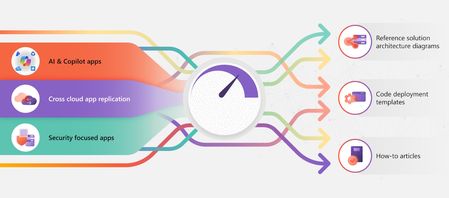
Want to jump right to the Quick-Start Toolkit? Visit the Quick-Start Development Toolkit in App Advisor. Software companies building applications and agents for Microsoft often face the same early challenge: getting from idea to a working build to get to market fast. Early development slows down. Teams lose momentum. And they never reach the stage of publishing or selling their application. The Quick-Start Development Toolkit in App Advisor changes that. It provides guided, action-oriented resources that helps developers move from idea to build faster with ready-to-deploy code templates, sample reference architectures, and actionable how-to resources. Instead of searching across documentation, your team can immediately focus on the next step of building an app or agent optimized for Microsoft Marketplace. Developers know early momentum matters At this stage, the priority is simple: validate ideas quickly. The Quick-Start Development toolkit is designed to assist building early momentum in three key business scenarios and works best if you: have a clear app or AI agent concept but aren’t sure how to construct it on Microsoft, understand the Microsoft technology stack but want to build faster, or want to replicate an existing solution in the Microsoft Marketplace. The toolkit supports development across several of today’s most common application scenarios. AI and agent-based applications, AWS to Azure migration and replication patterns, Security-focused applications, agents, and integrations. Across each scenario, developers are guided with tools to: Start building without complex setup, Understand the right architecture patterns, Move quickly from concept to a working prototype. The Quick-Start Development Toolkit focuses on streamlining that initial process with deployable code templates, architecture guidance, and development workflows, so teams can move forward with confidence and clarity toward a Marketplace-ready application. A guided starting point for building on Microsoft The experience begins with a simple, interactive wizard. Developers answer a few short questions about what they are building and the scenario they are targeting. Based on responses, you’ll be routed directly to the most relevant development pattern to begin development. This includes: Deployable code templates that help teams start coding immediately, Reference solution architectures aligned with common build patterns, Targeted how-to guidance for the next development step. This approach helps you move from exploration to execution faster by eliminating the need to search across multiple resources before starting the build. Designed to reduce friction, eliminate guesswork, and accelerate progress The Quick-Start Development Toolkit is built around three core outcomes: Reduce friction Start building without lengthy environment setup, Access always-on self-serve development resources, Launch preconfigured services with click-to-deploy templates. Eliminate guesswork Follow reference architectures aligned with proven development patterns, See deployable code templates to iterate and deploy, Avoid rework caused by unclear design decisions. Accelerate progress Move quickly from concept to prototype, Maintain momentum throughout the build stage, Focus on the next most relevant development action. Together, these capabilities help your team move faster while building on patterns designed to maximize Marketplace outcomes. Start building with Marketplace in mind While the toolkit focuses on accelerating the build stage, it is designed with the full Marketplace journey in mind. By following these development patterns, you can build apps and agents that align with the requirements for publishing and selling through Microsoft Marketplace. That alignment helps reduce friction later in the process when teams move from development to publishing to maximize go-to-market opportunities. Visit https://aka.ms/QuickStartToolkit to explore the experience, answer a few questions about what you’re building, and start coding in minutes.108Views5likes0CommentsGet alignment early to build AI apps and agents and sell on Marketplace
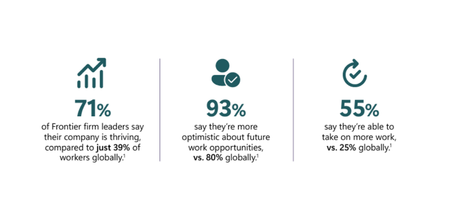
Frontier firms are pulling ahead. The data is clear why. According to Microsoft research of Frontier firms: 71% of leaders say their company is thriving, compared to just 39% of workers globally, 93% are optimistic about future work opportunities, 55% say they’re able to take on more work, versus 25% globally. But the difference isn’t experimentation with AI. It’s execution. Work Trend Index Annual Report, 2025 How getting business and technical alignment with AI development helps Frontier firms are succeeding because they align business intent, technical design, and security expectations before building AI apps and agents. They don’t treat alignment as a workshop or a slide deck. They treat it as a prerequisite to building agents that actually work, scale, and earn trust. Microsoft helps you adopt this same approach through structured guidance in App Advisor, AI envisioning resources, and practical checklists designed to keep teams aligned from design through deployment. Why alignment separates Frontier firms from the rest AI apps and agents increasingly operate inside critical business workflows. That raises the bar. When alignment is missing, teams often ship agents that technically function but fail in production due to security gaps, unclear ownership, or mismatched expectations around outcomes. Teams that align early are better positioned to: Move faster through build by eliminating ambiguity, Build agents that reliably perform the job they’re designed to do, Embed security, governance, and trust by design, not as an afterthought, Reduce redesign cycles caused by unclear requirements or late-stage constraints. This is where guidance-first approach from Microsoft plays a critical role. How App Advisor helps teams align before they build App Advisor is intentionally designed to help teams put an alignment framework together at the start. To move faster later. App Advisor gives you: Tools to help your business get an AI Center of Excellence, Systems, like Azure Essentials and Cloud Adoption Framework, Checklists for every step of the way, so that teams stay informed, Toolkits and services that build in answers to friction that your team can leverage. These shared starting points helps ensure what teams build reflects real business needs and can be deployed responsibly. Using AI envisioning sessions to align outcomes The Microsoft AI envisioning sessions complement App Advisor by helping teams translate strategy into execution. The Business–Technical Alignment Checklist for Microsoft Foundry helps teams stay synchronized as they build. It ensures architecture, cost, security, and delivery choices support a clear business outcome—not just technical success. This checklist reinforces practices like: Defining shared success metrics and KPIs, Setting joint budget guardrails and cost visibility, Establishing cross-functional cadence and governance, Planning for integration testing and real-world workflows, Using a shared project workspace as a single source of truth. This alignment reduces late-stage friction when you’re preparing to publish, co-sell, or scale. This translates into offers that are easier to describe on Marketplace, more likely to attract customers, and better for those customers to deploy. Moving from aligned design to confident build to sales growth After alignment is established, teams can move into build with momentum. App Advisor showcases development toolkits, SDKs, templates, and reference architectures that reflect the decisions already made during design. That continuity matters. It keeps teams focused on execution instead of re-litigating fundamentals mid-build. Alignment isn’t a meeting. It’s a system. Microsoft provides the structure to support it. Start aligning today to sell more tomorrow Get resources to help your teams align and keep in step in App Advisor.159Views7likes0CommentsBuild an AI app or agent faster to sell on Marketplace with App Advisor
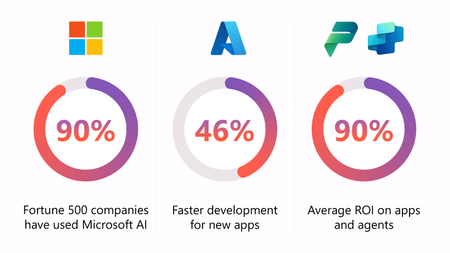
Jump right to the step-by-step curated guidance for building a well-architected app in App Advisor The development of AI apps and agents is moving fast. The data backs it up: The AI platform of choice: 90% of Fortune 500 companies use Microsoft AI, Development lifecycles speed up: Teams see up to 46% faster development with Azure, Companies realize great ROI: AI apps and agents realize an average of 90% ROI. The opportunity is real, but speed alone isn’t enough. To turn momentum into a scalable, sellable solution, software companies need a clear path from idea to architecture to Microsoft Marketplace readiness. How to build an AI app or agent and sell it on Marketplace Microsoft Foundry provides the platform to build AI apps and agents. App Advisor provides the structure, guiding you through the decisions that matter early. So, you can move fast without creating rework later. When paired with focused build and alignment checklists, App Advisor helps you ship faster and prepare your solution for the Marketplace from day one. Here’s how App Advisor, paired with material developed from the popular AI Envisioning sessions, helps you build with speed and Marketplace readiness in mind. App Advisor gives you a clear starting point to build AI apps and agents App Advisor is tailored specifically to remove ambiguity. Instead of guessing where to begin, you’re guided through key build decisions, based on five critical pillars: Security Reliability Cost optimization Operational excellence Performance efficiency These pillars are more than theory. They help you and your team think through pricing models, identity and access, resiliency, scaling, and operational integration early: before code hardens and changes get expensive. By anchoring your build in these principles, you create a foundation that supports both rapid development and future Marketplace requirements. Design well, build fast: Create an Agent MVP in 30 days After your architecture is defined, the next challenge is execution speed. The Create an Agent MVP in 30 Days checklist turns Microsoft Foundry best practices into an actionable build plan. It’s organized around the same well-architected pillars, making it easy to move from design to implementation without losing alignment. This checklist helps you: Embed security controls like encryption, RBAC, and managed identity from day one, Design for reliability with stateless services, health checks, and graceful fallback, Right-size performance and compute so you don’t overbuild the MVP, Control costs early with monitoring, budgets, and automation, Set up DevOps and CI/CD to support fast iteration. The result is a working agent that’s intentionally scoped, production-aware, and easier to evolve into a commercial offering. Built to move fast, ready to be sold at scale Used together, App Advisor, the 30-day to an MVP checklist, and the AI Envisioning sessions give you a repeatable path: Start with architecture clarity, Build an MVP quickly and responsibly, Stay aligned on Marketplace outcomes. You’re not just shipping an AI app or agent. You’re building a solution designed to be deployed, sold, and supported for your target customer. And designing well with solid core principles can help build a solid foundation for your Marketplace success. Ready to build faster with Microsoft Foundry? Explore App Advisor for step-by-step guidance to quickly design well-architected apps. Want to get development templates to start designing in minutes? View the Quick-Start Development Toolkit library for AI apps and agents. See the difference when you build with the proven framework of Microsoft Foundry and selling well-architected apps and agents in Marketplace.401Views8likes0CommentsDiscover why to build AI apps and agents with Microsoft and sell through Marketplace
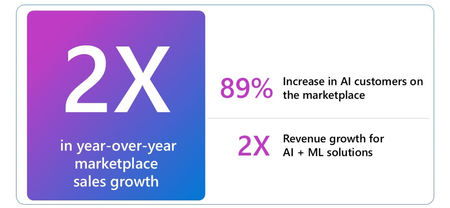
Customer demand for AI is accelerating fast. And your company's AI app or agent should be there to meet it. In this fiscal year, Microsoft has already seen 2x growth in customers purchasing AI products through Microsoft Marketplace, while also being the largest catalog of AI apps and agents in the industry. Building AI apps and agents isn’t just about model performance or speed to market. It’s about meeting your customers’ needs when they have them. For software companies, success depends on whether your AI solution is secure, compliant, responsibly designed, and ready to scale in real-world work environments. That’s why App Advisor starts by showing the many reasons why building with Microsoft is the right foundation for AI apps and agents. Why building AI apps and agents with Microsoft is different Microsoft, named an AI Leader by Gartner, brings together AI innovation, Responsible AI, and enterprise-grade security into a single, integrated platform. This matters when you’re quickly building AI-powered experiences and agents that your customers can trust. When you build with Microsoft, you’re building on an AI-native platform designed for production use: Industry-leading AI and agentic capabilities supporting Gen AI, RAG, ML, predictive analytics, and multi-modal agent workflows, Integrated developer tools to help teams ship faster that you already use and trust (like GitHub Copilot, Visual Studio, and Microsoft Foundry), Seamless integration across the Microsoft stack to make it easier to connect data, services, and user experiences without stitching different systems together. This foundation helps you focus on what you’re building. Microsoft handles the complexity behind the scenes. Build confidently from day one, stay up to date with AI best practices Building with AI doesn't have to be risky. Data access, model behavior, governance, and compliance all matter more when AI and agents are embedded directly into customer workflows. Microsoft approaches this with end-to-end security and Responsible AI practices that are integrated throughout the development lifecycle. That's why App Advisor and Microsoft keep you up with the speed of designing with AI: Principles to design your own AI Center of Excellence, Sessions focused on the future of AI and agents in the AI Tour, Resources and webinars, like the AI envisioning sessions, to keep you current. This is especially critical for software companies selling into regulated or security-conscious industries. Security isn't an afterthought. You’re building on a platform where they’re already part of the system. How App Advisor can help answer questions about building AI apps and agents The first step in App Advisor is intentionally focused on clarity. Instead of jumping straight into tooling or publishing requirements, it helps you evaluate: Why Microsoft is the right platform for AI apps and agents, How building with Microsoft assists in development, scaling, and customer trust, What kinds of opportunities exist in the Microsoft Marketplace and how to maximize on them. However, App Advisor doesn’t stop at discovery or development. The same experience that helps you build AI apps and agents also supports growth through the Microsoft Marketplace—giving you access to global customers, streamlined procurement, and enterprise-ready distribution. From first line of code to go-to-market readiness, the platform is designed to support sustainable, scalable growth with confidence. Ready to build your AI app or agent? When you start with the right foundation, everything that follows moves faster—and with less risk. Start with the fundamentals: realize the potential of building with Microsoft with curated guidance in App Advisor We look forward to seeing your AI app or agent on Microsoft Marketplace!446Views7likes0CommentsGain clarity on your Marketplace offer type in minutes with App Advisor
Publishing your app or agent to Microsoft Marketplace is the first critical step to reaching customers, unlocking benefits, and monetizing your solution. But choosing the right marketplace offer type to match your technology and business needs can slow teams down with extensive research or trial and error. That’s why App Advisor includes an interactive offer type selection wizard, designed to help you move forward with clarity and confidence. By answering a short set of targeted questions, you can quickly identify the marketplace offer type that best fits your app or agent technology and business goals, without guesswork or context switching. How the interactive offer type selection wizard helps The wizard simplifies one of the most important publishing decisions by guiding you through a focused set of inputs. In just a few steps, it helps you: Narrow options based on your chosen product stack, Align offer types to how your solution is built and delivered, Match deployment and selling models to the right marketplace configuration. What once required hours of documentation review and comparison can now be completed in minutes, accelerating your publishing momentum. How the interactive offer selection wizard works Getting started is straightforward and fully integrated into App Advisor: Go to the Choose your marketplace offer type, Click the Guide me to my offer type button, Answer a few questions about your app or agent, Receive a recommended offer type, based on your answers, Review pricing and transaction details specific to that offer type, See what types of private offers are applicable to this type of offer. The guidance you see is tailored to your selection, helping you understand not just what to choose, but why it fits your scenario. If you want to explore an alternative path, you can restart the wizard at any time and compare outcomes. With this wizard, clear choices lead to a confident decision. Move from decision to publishing faster The interactive offer selection wizard removes friction from the early stages of marketplace publishing. By helping you choose the right offer type up front, App Advisor enables you to spend less time researching and more time building, publishing, and selling. Ready to make your next marketplace decision with confidence? Get a clear offer type choice in App Advisor today.368Views10likes1CommentBecoming a Frontier Firm: Accelerate custom app development with Quick-Start Development Toolkit
The theme of Ignite was undeniable: Frontier firms are transforming business with investments and projects developing AI apps and agents. And these aren’t just businesses using AI - they’re companies developing and monetizing AI apps and agents. The numbers are clear - here are a few compelling stats from a global study commissioned by Microsoft with the International Data Corporation (IDC) about Frontier firms: 67% are monetizing industry-specific AI use cases to boost revenue 58% use custom AI, and in the next two years, that will increase to 77% Those building agentic solutions will grow 3x in the next two years ROI is 3x higher for Frontier firms than slower adopters It’s no longer a question. Companies who get ahead, make and sell AI apps and agentic solutions. But it can be difficult to develop at the speed of AI. To answer the challenge of streamlining and shortening the development cycle, we’ve improved the Quick-Start Development Toolkit to help your team start coding in minutes. Getting simple guidance for custom application development To help your team go from idea to coding in minutes, we've introduced the Quick-Start Development Toolkit. Teams were spending too much time with false starts or hunting for AI app or agent code templates. With expert developer guidance, we created the Quick-Start Development patterns - a package that includes a sample solution reference diagram, custom code templates for your dev team to download and customize, and high-value resources to address common development challenges. We’ve also made it easier to find the right development pattern for your needs. Answer a few questions to see how to develop an AI app We’ve built an interactive wizard that makes it easy for software companies to go from thinking about AI or agentic solutions to solve a problem directly to creating custom code. The process is easy: Go to Quick-Start Development Toolkit Click on “Find the right pattern for your needs” Answer a few simple questions about your priority scenario, environment, and tools Land on a development pattern designed to help your team start coding in minutes With development patterns ranging from flexible AI app or agent development with Microsoft Foundry to multi-agent custom automation to integrating your data with Microsoft Fabric Unified Data Foundation, you’ll find a development pattern to get started on your next AI app or agent. Not the right fit? Keep looking at focused patterns, all created in partnership with Microsoft experts. If your project has a different focus, like migrating or replicating an AWS app to Azure or integrating Microsoft Security to an app, the Quick-Start Development Toolkit has development templates for these, too. Take the confusion out of how to make an app and then publish and monetize it After you're done developing, realize full ROI on your app or agent and help other companies advance their Frontier level by publishing and selling it on Microsoft Marketplace. Within each development pattern, you can get curated guidance from App Advisor to package, publish, and sell your app. Ready to get started with your next AI app project? Visit the Quick-Start Development Toolkit today!365Views11likes0CommentsDecember edition of Microsoft Marketplace Partner Digest
Microsoft Ignite 2025 - Marketplace highlights Microsoft Ignite was packed with announcements and insights for Marketplace partners. From new commerce capabilities to AI-driven innovations, here are some key takeaways: Global expansion of Microsoft Marketplace - Microsoft announced that the reimagined Microsoft Marketplace, which launched in the U.S. earlier this year, is now globally available. This expansion includes new APIs for distribution partners, enabling them to link their own cloud marketplace with Microsoft’s, opening significant opportunities for software companies in SMB and mid-market segments. 🎬 Watch a recorded webinar with TD SYNNEX on the power of distribution to accelerate SMB marketplace sales. Global availability of Resale Enabled Offers - This capability allows software development companies to and channel partners to resell software solutions directly through Marketplace, simplifying transactions, expanding reach, and scaling revenue. 👉 Read more about this announcement and get started Introducing App Accelerate - A unified offer that brings together incentives, benefits, and co-sell support across the Microsoft Cloud. App Accelerate provides end-to-end technical guidance, developer tools, and go-to-market resources so software development companies can innovate and scale. Previews are beginning now, with full availability planned for 2026. ✅ Sign up to receive updates Enhanced Partner Marketing Center - Discover, customize, and launch campaigns faster with intelligent search and AI-powered tools—all on one connected platform. The current Partner Marketing Center will remain available as the new and enhanced Marketing Center platform launches in early 2026 with 24 campaigns-in-a-box, aligned to FY26 solution plays. ✨ Get ready for the new era of partner marketing Frontier Partner badge – New customer-facing badges recognize top services, channel, and software development company partners that are driving AI transformation with customers and offer them an opportunity to differentiate themselves from the competition. 🛡️Differentiate your AI-first leadership Catch up on Microsoft Ignite sessions Ignite 2025 delivered powerful insights and announcements for Marketplace partners, and now you can catch up on the sessions you missed. Explore these recorded keynotes to learn about new capabilities, partner programs, and strategies to accelerate growth through Microsoft’s ecosystem. Ignite opening keynote Ignite partner keynote: Powering Frontier Partnerships Additionally, we’ve compiled recordings of relevant Marketplace partner and customer sessions so you can watch on-demand. Revisit Marketplace-focused sessions and resources. Just look for the ✨ icon below. Partner sessions: PBRK415 Grow your business with Microsoft AI Cloud Partner Program Find out how the Microsoft AI Cloud Partner Program helps you grow with new benefits, designations, and skilling opportunities. This session covers updates like the Frontier Partner Badge, Copilot specialization, and streamlined Marketplace engagement—all designed to accelerate your AI transformation journey. PBRK416 Accelerate Growth through Partner Incentives Explore how Microsoft is boosting partner growth with streamlined incentives, AI-first strategies, and new designations like Frontier Distributor. This session covers expanded investments in Azure Accelerate, Copilot solutions, and security practices—plus insights on how to capitalize on evolving programs and co-sell opportunities. PBRK417 Partner: Connect, Plan, Win – Enhancing Co-sell Engagement Discover how to enhance collaboration, optimize joint efforts, and drive success in shared initiatives. Gain insights into improving interactions with Microsoft sellers and leveraging opportunities, along with guidance on proactive co-selling to align your goals with Microsoft's for sustained growth. PBRK418 Partner: Benefits for Accelerating Software Company Success Learn about the resources and benefits available for software development companies across all stages of the build, publish and grow journey in MAICPP. Whether you’re developing a new agent solution or working toward a certified software designation, there are targeted skilling opportunities, technical resources, and GTM benefits to help. Tap into new investments for AI apps and agents and hear from your peers on how they’ve used rewards such as customer propensity scores and Azure sponsorship. PBRK419 SI & Advisory Partner Readiness: Accelerating the Journey to Frontier Understand how Microsoft is empowering our SI and advisory partners to accelerate frontier firm readiness for our Enterprise customers by driving AI transformation with agentic solutions and services. ✨PBRK420 Executing on the channel-led marketplace opportunity for partners See how Microsoft’s unified Marketplace drives partner growth with resale-enabled offers, creating scalable channel sales and co-sell opportunities. This session shares practical steps to build a sustainable Marketplace practice and leverage the partner ecosystem for greater reach and profitability. PBRK421 Enabling a thriving partner ecosystem: New CSP Authorization Criteria Dive into what’s new for Cloud Solution Providers, including updated authorization requirements and designations that help you stand out. This session covers steps to choose the right tier, build trust as a customer advisor, and prepare for growth with AI-driven solutions and Copilot offerings. PBRK422 The Future of Partner Support: Customer + Partner + Microsoft Discover ‘Unified for Partners,’ Microsoft’s new support model designed for CSP partners to deliver customer success at scale. This session introduces the Support Services designation, offering faster response times, financial incentives, and integrated tools to strengthen your support capabilities. PBRK423 Partner Execution at Scale with SME&C Explore growth opportunities in the high-potential SME&C segment. This session highlights investments in co-selling, AI-first strategies, and what it means to become ‘customer zero,’ with examples of frontier firms driving innovation at scale. ✨PBRK424 Marketplace Success for Partners—from SMB to Enterprise Learn how to build, publish, and monetize AI-powered solutions through Microsoft Marketplace. This session shares a proven approach to align your Marketplace strategy with your sales motion and unlock new revenue opportunities. PBRK272 Accelerate Secure AI: Microsoft’s Security Advantage for Partners Explore Microsoft’s integrated security solutions and learn how to help customers strengthen their defenses in the AI era. This session highlights partner opportunities, resources to grow your security practice, and what it takes to lead as a next-generation security partner. Customer Sessions: ✨Microsoft Marketplace: Your trusted source for cloud solutions, AI apps, and agents | STUDIO47 Hear from Cyril Belikoff, VP of Commercial Cloud & AI Marketing, sharing the reimagined Microsoft Marketplace—the gateway to thousands of AI-powered apps, agents and cloud solutions—all built to accelerate innovation and drive business outcomes. Discover how customers benefit from faster deployment, seamless integration with Microsoft tools, and trusted solutions, and how partners can scale their reach, accelerate sales, and tap into Microsoft’s global ecosystem. Azure Accelerate in action: Confidently migrate, modernize, and build faster Join Cyril Belikoff for a rapid Q&A that spotlights real-world customer success and the transformative impact of Azure Accelerate. Hear how customers like Thomson Reuters achieved breakthrough results with our powerful offering that provides access to Microsoft experts and investments throughout your Azure and AI journey. ✨BRK213 Microsoft Marketplace: Your trusted source for cloud and AI solutions Discover how the reimagined Microsoft Marketplace is reshaping the future of cloud and AI innovation. In this session, we’ll explore how Microsoft Marketplace—unifying Azure Marketplace and Microsoft AppSource—empowers organizations to become Frontier Firms by streamlining the discovery, purchase, and deployment of tens of thousands of cloud solutions, AI apps, and agents. ✨BRK215 Boost cloud and AI ROI using Microsoft Marketplace As organizations embrace an AI-first future, cloud adoption is accelerating to drive innovation and efficiency. This session explores practical strategies to optimize cloud investments—balancing performance, scalability, and cost control. Learn how Microsoft Marketplace enables rapid solution deployment while maintaining governance, compliance, and budget discipline. Build a resilient, cost-effective cloud foundation that supports AI and beyond. Community Recap Partner of the Year Award Winners Congratulations to the winners and finalists of the 2025 Microsoft Partner of the Year Awards in the Marketplace category! 🏆 Explore all winners and finalists Fivetran earned the top honor as Marketplace Partner of the Year for its innovation in automating data movement on Microsoft Azure, enabling enterprises to accelerate AI and analytics initiatives. Varonis Systems Inc. and Bytes Software Services were recognized as finalists for delivering exceptional solutions and driving customer success through Marketplace. What’s Coming Up AI-powered acceleration: Scale faster in Microsoft Marketplace 📆 Thursday, December 04, 2025, at 9:00 AM PST Microsoft Marketplace is no longer just a procurement convenience; it’s a strategic revenue engine. Dive into operational readiness, CRM-native automation, seller engagement, trust signals, and AI-enabled acceleration. Whether you're just getting started or looking to optimize your Marketplace motion, this session will provide you with information that will turn your first sale into a repeatable growth engine. Scale smarter: Discover how resale enabled offers drive growth 📆 Friday, December 05, 2025, from 11:00 - 12:00 PM GTM+1 Discover how resale enabled offers help software development companies to scale through the Microsoft Marketplace by simplifying transactions, expanding reach and accelerating co-sell opportunities. Chart your AI app and agent strategy with Microsoft Marketplace 📆 Thursday, December 11, 2025, from 8:30 - 9:30 AM PST Organizations exploring AI apps and agents face a critical choice: build, buy, or blend. There’s no one-size-fits-all—each approach offers unique benefits and trade-offs. Tune in for insights into the pros and cons of each approach and explore how the Microsoft Marketplace simplifies adoption by providing a single source for trusted AI apps, agents, and models. Office hours for partners: Marketplace resale-enabled offers 📆 Thursday, December 18, 2025, at 8:30 AM PST Tune in to explore resale enabled offers through Microsoft Marketplace. This recently announced capability enables software companies to expand into new markets globally, at scale, and without additional operational overhead. Dive deep into the workflow and requirements for these deals. Learn about reporting and best practices from those that are already selling globally with resale enabled offers. Microsoft Ignite will return to San Francisco next year 📆 November 17-20, 2026 Sign up now to join the Microsoft Ignite early-access list and be eligible to receive limited‑edition swag at the event. 💬 Share Your Feedback! We truly appreciate your feedback and want to ensure these Partner Digests deliver the information you need to succeed in the marketplace. If you have any feedback or suggestions on how we can continue to improve the content to best support you, we’d love to hear from you in the comments below!324Views2likes0Comments