microsoft security
7 TopicsMicrosoft Copilot for Security and NIST 800-171: Access Control
The second blog in this series will dive into the very first requirement family - Access Control (3.1) - and how organizations may deploy Microsoft Copilot for Security (Security Copilot) to meet the requirements entailed. This requirement family is arguably one of the most paramount because of the remarkable growth in identity-based attacks and the need for identity architects and teams to work more closely with the Security Operations Center (SOC). Microsoft Entra data noted in the Microsoft Digital Defense Report shows the number of “attempted attacks increased more than tenfold compared to the same period in 2022, from around 3 billion per month to over 30 billion. This translates to an average of 4,000 password attacks per second targeting Microsoft cloud identities [2023]”.16KViews2likes3CommentsDon’t Gamble With Your Cyber Health! The MGM Breach and Healthcare?
Don’t Gamble With Your Cyber Health! The MGM Breach and Healthcare? Ben Henderson, CISSP The recent cyberattack against MGM Resorts grabbed headlines and sent shockwaves across the industry. MGM struggled to get systems back online after widespread outages affected several of its operations including physical access and their core systems. Much of the reporting on the incident focused on how MGM’s best in class security stack was infiltrated by hacking group Scattered Spider leveraging Bring Your Own Vulnerable Driver (BYOVD).1.7KViews2likes0CommentsMicrosoft Intune in GCC and GCC High Overview + CMMC Applications
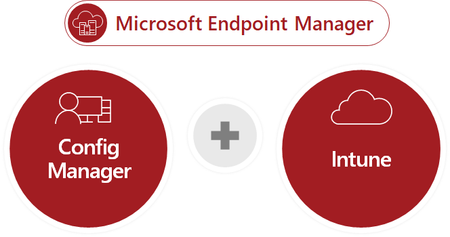
Organizations can meet CMMC compliance for specific practices across several different domains using Microsoft Intune in GCC or GCC High in combination with configuration settings and policies in Azure Government and Microsoft Defender for Endpoint.18KViews2likes3Comments
Agent365: The Identity-First Control Plane for Scalable AI Agents
As organizations move from AI experimentation to enterprise-scale adoption, AI agents are increasingly becoming persistent actors within the digital environment accessing data, invoking APIs, and executing workflows autonomously. This shift introduces a new governance challenge: How do organizations ensure visibility, control and security as the number of agents scales across cloud, SaaS and endpoint environments? Microsoft Agent365 addresses this challenge by introducing a control plane for AI agents, built on Microsoft Entra, that enables organizations to manage agents using the same identity-driven approach applied to users and applications. Why Identity Becomes Foundational for Agent Governance In traditional enterprise systems, identity platforms were designed to manage: Human identities Application identities Service principals With the introduction of Agent365, this model expands to include AI agents as first-class identities. Each agent is assigned a unique identity in Microsoft Entra, enabling consistent authentication, authorization, and lifecycle management. This approach allows organizations to: Apply policy-based access controls to agents Enforce least privilege access models Integrate agents into existing IAM and Zero Trust frameworks As highlighted in recent partner perspectives, identity is evolving from a supporting capability to a centralized control plane for AI governance. Managing Agent Sprawl with a Unified Control Plane As AI agents proliferate across business units, organizations often face challenges such as: Limited visibility into deployed agents Inconsistent ownership and lifecycle management Over-permissioned or unmanaged access to data Increased operational and security risks Agent365 addresses these challenges through a unified control plane that enables organizations to: Discover and inventory agents across the environment Apply governance policies consistently Secure agent interactions and data access This aligns with Microsoft’s broader approach to enable organizations to observe, govern, and secure AI workloads at scale. Agents as Managed Identities in Microsoft Entra One of the core innovations of Agent365 is the introduction of Entra Agent ID, which treats agents as managed identities within the directory. This enables organizations to manage agents using familiar identity capabilities, including: Conditional Access Role-based and attribute-based access control (RBAC/ABAC) Identity governance workflows (e.g., access reviews, lifecycle policies) Audit and compliance monitoring By aligning agent governance with identity, organizations can extend existing security controls without introducing separate governance silos. Architecture Overview: Identity-Centric Control Plane Agent365 integrates across Microsoft’s security and compliance ecosystem to provide a layered governance model: Identity Layer (Control Plane Foundation) Microsoft Entra ID for Agents Identity governance and lifecycle controls Conditional access enforcement Governance Layer Centralized agent registry (inventory of agents) Ownership and accountability tracking Policy enforcement across agent lifecycle Security and Compliance Layer Microsoft Defender for threat detection and behavior monitoring Microsoft Purview for data protection and compliance Integration with Zero Trust architecture Observability Layer Unified telemetry and dashboards Monitoring of agent activities and interactions Agent365 brings these capabilities together into a centralized experience within Microsoft 365, enabling consistent control across heterogeneous agent ecosystems. Extending Zero Trust Principles to AI Agents As agents operate autonomously and interact with multiple systems, extending Zero Trust principles becomes essential. Agent365 allows organizations to apply: Continuous verification of agent identity Least privilege access enforcement Real-time monitoring and anomaly detection This ensures that agents operate within defined boundaries, reducing the risk of unintended actions or data exposure, while enabling secure scaling of AI adoption. Key Capabilities Supporting Identity as the Control Plane Agent365 enables identity-driven governance through a set of core capabilities: Agent Registry Provides a centralized inventory and visibility across all agents Access Control Enables policy-based and conditional access through Microsoft Entra Lifecycle Management Supports provisioning, updates, and decommissioning of agents Security and Compliance Integration Extends Defender and Purview capabilities to agent workflows Cross-platform Support Enables governance across Microsoft, open-source, and third-party agents These capabilities help organizations manage agent ecosystems with the same rigor applied to workforce identities. Key gaps Agent365 will surface Shadow agents More agents exist than you think built across Copilot Studio, Power Platform, or third-party tools… but never inventoried. Ownerless agents Agents continue running in production with no clear owner or accountability. Over-permissioned access Agents often inherit excessive privileges far beyond least-privilege intent. No lifecycle governance No expiry, no reviews, no retirement. Agents accumulate over time. Untracked multi-agent workflows Agent-to-agent interactions lack complete audit trails. Data exposure via agents Agents amplify existing oversharing risks across enterprise data. Identity & access gaps Traditional conditional access wasn’t designed for autonomous, non-human identities. And in most enterprises, the true scale of these gaps is often underestimated. Enabling Secure and Scalable Agentic AI Organizations are increasingly recognizing that scaling AI is not just about deploying agents, but about ensuring control, visibility and compliance across their operations. Agent365 provides a framework to: Bring agents under a common governance model Align AI operations with enterprise identity architecture Reduce risks associated with unmanaged automation By anchoring agents within Microsoft Entra, enterprises can leverage existing investments in identity, security and compliance to support AI at scale. Conclusion The transition to agentic AI introduces a new category of identity within the enterprise. With Agent365, Microsoft establishes identity as the foundational control plane enabling organizations to manage AI agents as governed, auditable and secure entities. As enterprises continue to adopt AI, this approach ensures that innovation can scale while maintaining the control, trust and compliance required in modern digital environments.848Views1like0CommentsCloud Security Made Easy: Protect Your Apps with Microsoft Azure
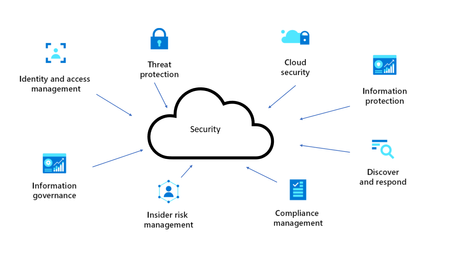
Hi everyone, I'm Rajat Rajput, a Microsoft Learn Student Ambassador, constantly exploring Azure and the opportunities it offers. I recently earned my Azure AI Fundamentals (AI-900) and Azure Fundamentals (AZ-900) certifications and realized how important cloud security is. In this post, we'll dive into the concept of cloud security and explore how it can be implemented using Microsoft Azure. As businesses increasingly migrate to cloud platforms like Microsoft Azure, understanding and implementing security measures is no longer optional rather it's essential. Whether you're a new developer deploying your first cloud app or an IT professional managing enterprise level infrastructure, Azure's comprehensive security services are your shield against cyber attacks. Why Cloud Security is Non Negotiable these days? Cloud computing offers scalability and flexibility, but it also introduces a few security challenges. Here's why cloud security is critical: Data Protection: Sensitive data resides in the cloud, making it a prime target for cybercriminals. Protecting this data from unauthorized access, breaches, and leaks is crucial. Compliance Requirements: Many industries have strict regulatory requirements regarding data security and privacy. Azure's compliance offerings help organizations meet these obligations. Threat Landscape: Cyber threats are constantly evolving, with new vulnerabilities and attack vectors emerging regularly. Cloud security services provide continuous monitoring and protection against these threats. Shared Responsibility: While cloud providers handle infrastructure security, you're responsible for securing your applications and data. Azure helps you properly define and manage this shared responsibility model. How does Microsoft Azure protect your applications? Azure offers a comprehensive suite of security services in various categories, including: 1. Identity and Access Management (IAM) Microsoft Entra ID – Enables secure sign-ins, provides Multi-Factor Authentication (MFA), and Role-Based Access Control (RBAC). Azure Privileged Identity Management (PIM) – Manages and controls privileged access to critical Azure resources, reducing security risks. 2. Network Security Azure Firewall – A cloud-native firewall that filters traffic and blocks malicious threats. Azure Web Application Firewall – Protects web applications from common threats like SQL injection and cross-site scripting (XSS). Azure DDoS Protection – Detects and mitigates Distributed Denial-of-Service (DDoS) attacks. Azure Bastion – Provides secure RDP/SSH access to virtual machines without exposing them to the public internet. 3. Application Security Application Gateway – A load balancer with built-in security to ensure secure and scalable web applications. Azure Confidential Computing – Secures data while it is being processed to prevent unauthorized access. 4. Data Security & Compliance Azure Key Vault – Securely stores and manages encryption keys, passwords, and certificates. Azure Information Protection – Classifies, labels, and protects sensitive data. Azure Policy – Enforces compliance and security policies across Azure environments. 5. Threat Detection & Security Monitoring Microsoft Defender for Cloud – Continuously monitors cloud resources, identifies vulnerabilities, and provides threat protection. Azure Security Center – Offers real-time security insights and recommendations. Azure Sentinel – A cloud-native SIEM and SOAR tool that detects, investigates, and responds to threats using AI. Career Prospects in Azure Cloud Security The demand for cloud security professionals is skyrocketing. It can open a wide range of opportunities such as: Cloud Security Engineer: Design, implement, and manage security controls in Azure environments. Security Architect: Develop security strategies and architectures for cloud-based applications and infrastructure. Security Analyst: Monitor security events, investigate incidents, and respond to threats. Compliance Officer: Ensure compliance with regulatory requirements and industry standards. Azure Security Consultant: Provide expert advice and guidance on Azure security best practices. Get Started with Microsoft Azure Cloud Security Cloud security is an ongoing journey, essential for students, developers, and business owners alike. Whether you're securing business applications, building a career in cybersecurity, or developing cloud-based solutions, mastering Azure’s security services can help you stay ahead of evolving threats. By using these powerful tools, you can strengthen your security, protect sensitive data, and gain in demand skills for the future. Start exploring Azure security today and take your expertise to the next level in the ever-growing world of cloud security! Azure Security Certifications & other resources Microsoft Certified: Security, Compliance, and Identity Fundamentals (SC-900) - For Beginners Microsoft Certified: Azure Security Engineer Associate (AZ-500) - For intermediate learners (recommended for those who are SC-900 certified). Microsoft Cloud Security Services Microsoft/Security-101: 8 Lessons, Kick-start Your Cybersecurity Learning.661Views1like1Comment