cloud security
1448 TopicsBecome a Microsoft Defender for Cloud Ninja
[Last update: 06/25/2026] This blog post has a curation of many Microsoft Defender for Cloud (formerly known as Azure Security Center and Azure Defender) resources, organized in a format that can help you to go from absolutely no knowledge in Microsoft Defender for Cloud, to design and implement different scenarios. You can use this blog post as a training roadmap to learn more about Microsoft Defender for Cloud. On November 2nd, at Microsoft Ignite 2021, Microsoft announced the rebrand of Azure Security Center and Azure Defender for Microsoft Defender for Cloud. To learn more about this change, read this article. Every month we are adding new updates to this article, and you can track it by checking the red date besides the topic. If you already study all the modules and you are ready for the knowledge check, follow the procedures below: To obtain the Defender for Cloud Ninja Certificate 1. Take this knowledge check here, where you will find questions about different areas and plans available in Defender for Cloud. 2. If you score 80% or more in the knowledge check, request your participation certificate here. If you achieved less than 80%, please review the questions that you got it wrong, study more and take the assessment again. Note: it can take up to 24 hours for you to receive your certificate via email. To obtain the Defender for Servers Ninja Certificate (Introduced in 08/2023) 1. Take this knowledge check here, where you will find only questions related to Defender for Servers. 2. If you score 80% or more in the knowledge check, request your participation certificate here. If you achieved less than 80%, please review the questions that you got it wrong, study more and take the assessment again. Note: it can take up to 24 hours for you to receive your certificate via email. Modules To become an Microsoft Defender for Cloud Ninja, you will need to complete each module. The content of each module will vary, refer to the legend to understand the type of content before clicking in the topic’s hyperlink. The table below summarizes the content of each module: Module Description 0 - CNAPP In this module you will familiarize yourself with the concepts of CNAPP and how to plan Defender for Cloud deployment as a CNAPP solution. 1 – Introducing Microsoft Defender for Cloud and Microsoft Defender Cloud plans In this module you will familiarize yourself with Microsoft Defender for Cloud and understand the use case scenarios. You will also learn about Microsoft Defender for Cloud and Microsoft Defender Cloud plans pricing and overall architecture data flow. 2 – Planning Microsoft Defender for Cloud In this module you will learn the main considerations to correctly plan Microsoft Defender for Cloud deployment. From supported platforms to best practices implementation. 3 – Enhance your Cloud Security Posture In this module you will learn how to leverage Cloud Security Posture management capabilities, such as Secure Score and Attack Path to continuous improvement of your cloud security posture. This module includes automation samples that can be used to facilitate secure score adoption and operations. 4 – Cloud Security Posture Management Capabilities in Microsoft Defender for Cloud In this module you will learn how to use the cloud security posture management capabilities available in Microsoft Defender for Cloud, which includes vulnerability assessment, inventory, workflow automation and custom dashboards with workbooks. 5 – Regulatory Compliance Capabilities in Microsoft Defender for Cloud In this module you will learn about the regulatory compliance dashboard in Microsoft Defender for Cloud and give you insights on how to include additional standards. In this module you will also familiarize yourself with Azure Blueprints for regulatory standards. 6 – Cloud Workload Protection Platform Capabilities in Azure Defender In this module you will learn how the advanced cloud capabilities in Microsoft Defender for Cloud work, which includes JIT, File Integrity Monitoring and Adaptive Application Control. This module also covers how threat protection works in Microsoft Defender for Cloud, the different categories of detections, and how to simulate alerts. 7 – Streaming Alerts and Recommendations to a SIEM Solution In this module you will learn how to use native Microsoft Defender for Cloud capabilities to stream recommendations and alerts to different platforms. You will also learn more about Azure Sentinel native connectivity with Microsoft Defender for Cloud. Lastly, you will learn how to leverage Graph Security API to stream alerts from Microsoft Defender for Cloud to Splunk. 8 – Integrations and APIs In this module you will learn about the different integration capabilities in Microsoft Defender for Cloud, how to connect Tenable to Microsoft Defender for Cloud, and how other supported solutions can be integrated with Microsoft Defender for Cloud. 9 - DevOps Security In this module you will learn more about DevOps Security capabilities in Defender for Cloud. You will be able to follow the interactive guide to understand the core capabilities and how to navigate through the product. 10 - Defender for APIs In this module you will learn more about the new plan announced at RSA 2023. You will be able to follow the steps to onboard the plan and validate the threat detection capability. 11 - AI Posture Management and Workload Protection In this module you will learn more about the risks of Gen AI and how Defender for Cloud can help improve your AI posture management and detect threats against your Gen AI apps. Module 0 - Cloud Native Application Protection Platform (CNAPP) Improving Your Multi-Cloud Security with a CNAPP - a vendor agnostic approach Microsoft CNAPP Solution Planning and Operationalizing Microsoft CNAPP Understanding Cloud Native Application Protection Platforms (CNAPP) Cloud Native Applications Protection Platform (CNAPP) Microsoft CNAPP eBook Understanding CNAPP Why Microsoft Leads the IDC CNAPP MarketScape: Key Insights for Security Decision-Makers Module 1 - Introducing Microsoft Defender for Cloud What is Microsoft Defender for Cloud? A New Approach to Get Your Cloud Risks Under Control Getting Started with Microsoft Defender for Cloud Implementing a CNAPP Strategy to Embed Security From Code to Cloud Boost multicloud security with a comprehensive code to cloud strategy A new name for multi-cloud security: Microsoft Defender for Cloud Common questions about Defender for Cloud MDC Cost Calculator Breaking down security silos: Microsoft Defender for Cloud Expands into the Defender Portal Microsoft Defender for Cloud Customer Newsletter New innovations in Microsoft Defender to strengthen multi-cloud, containers, and AI model security Defender for Cloud integration into the Defender portal (May 2026 GA) Cloud security reporting in the Defender portal (May 2026 Preview) Module 2 – Planning Microsoft Defender for Cloud Features for IaaS workloads Features for PaaS workloads Built-in RBAC Roles in Microsoft Defender for Cloud Enterprise Onboarding Guide Design Considerations for Log Analytics Workspace Onboarding on-premises machines using Windows Admin Center Understanding Security Policies in Microsoft Defender for Cloud Creating Custom Policies Centralized Policy Management in Microsoft Defender for Cloud using Management Groups Planning Data Collection for IaaS VMs Microsoft Defender for Cloud PoC Series – Microsoft Defender for Storage How to Effectively Perform an Microsoft Defender for Cloud PoC Microsoft Defender for Cloud PoC Series – Microsoft Defender CSPM Microsoft Defender for DevOps GitHub Connector - Microsoft Defender for Cloud PoC Series Grant tenant-wide permissions to yourself Simplifying Onboarding to Microsoft Defender for Cloud with Terraform Module 3 – Enhance your Cloud Security Posture How Secure Score affects your governance Cloud secure score in Microsoft Defender for Cloud - Microsoft Defender for Cloud Enhance your Secure Score in Microsoft Defender for Cloud Security recommendations Active User (Public Preview) Resource exemption Create custom security standards and recommendations - Microsoft Defender for Cloud Deliver a Security Score weekly briefing Send Microsoft Defender for Cloud Recommendations to Azure Resource Stakeholders User roles and permissions - Microsoft Defender for Cloud Secure Score Reduction Alert Improved experience for managing the default Azure security policies Security Policy Enhancements in Defender for Cloud Create custom recommendations and security standards Secure Score Overtime Workbook Automation Artifacts for Secure Score Recommendations Connecting Defender for Cloud with Jira Remediation Scripts New preview recommendations for Azure Database for PostgreSQL Flexible Servers as part of Defender CSPM (April and May 2026 Preview) General availability of individual recommendations for Defender for Cloud in Azure portal and deprecation of legacy grouped recommendations (May 2026 GA) Daily score calculation enhancement for risk-based Cloud secure score (May 2026 GA) Module 4 – Cloud Security Posture Management Capabilities in Microsoft Defender for Cloud CSPM in Defender for Cloud Take a Proactive Risk-Based Approach to Securing your Cloud Native Applications Predict future security incidents! Cloud Security Posture Management with Microsoft Defender Software inventory filters added to asset inventory Drive your organization to security actions using Governance experience Managing Asset Inventory in Microsoft Defender for Cloud Vulnerability Assessment Workbook Template Vulnerability Assessment for Containers Implementing Workflow Automation Workflow Automation Artifacts Using Microsoft Defender for Cloud API for Workflow Automation What you need to know when deleting and re-creating the security connector(s) in Defender for Cloud Connect AWS Account with Microsoft Defender for Cloud Video Demo - Connecting AWS accounts Microsoft Defender for Cloud PoC Series - Multi-cloud with AWS Onboarding your AWS/GCP environment to Microsoft Defender for Cloud with Terraform How to better manage cost of API calls that Defender for Cloud makes to AWS Cloud posture management adds serverless protection for Azure and AWS Integrate AWS CloudTrail logs with Microsoft Defender for Cloud Connect GCP Account with Microsoft Defender for Cloud Protecting Containers in GCP with Defender for Containers Video Demo - Connecting GCP Accounts Microsoft Defender for Cloud PoC Series - Multicloud with GCP All You Need to Know About Microsoft Defender for Cloud Multicloud Protection Custom recommendations for AWS and GCP 31 new and enhanced multicloud regulatory standards coverage Azure Monitor Workbooks integrated into Microsoft Defender for Cloud and three templates provided How to Generate a Microsoft Defender for Cloud exemption and disable policy report Exempt resources at scale - Microsoft Defender for Cloud Cloud security posture and contextualization across cloud boundaries from a single dashboard Best Practices to Manage and Mitigate Security Recommendations New multicloud security recommendations (June 2026 Preview) Discovery and posture for serverless container workloads (June 2026 Preview) Expanded container support for cloud scopes (June 2026) Discovery and posture for serverless container workloads (June 2026 Preview) More than 60 multicloud security recommendations across AWS and GCP services (June 2026 Preview) Defender CSPM Defender CSPM Plan Options Go Beyond Checkboxes: Proactive Cloud Security with Microsoft Defender CSPM What’s New in Microsoft Defender CSPM Cloud Security Explorer Identify and remediate attack paths Agentless scanning for machines Cloud security explorer and Attack path analysis Governance Rules at Scale Governance Improvements Data Security Aware Posture Management Fast-Start Checklist for Microsoft Defender CSPM: From Enablement to Best Practices Unlocking API visibility: Defender for Cloud Expands API security to Function Apps and Logic Apps A Proactive Approach to Cloud Security Posture Management with Microsoft Defender for Cloud Prioritize Risk remediation with Microsoft Defender for Cloud Attack Path Analysis Understanding data aware security posture capability Agentless Container Posture Agentless Container Posture Management Microsoft Defender for Cloud - Automate Notifications when new Attack Paths are created Proactively secure your Google Cloud Resources with Microsoft Defender for Cloud Demystifying Defender CSPM Discover and Protect Sensitive Data with Defender for Cloud Defender for cloud's Agentless secret scanning for virtual machines is now generally available! Defender CSPM Support for GCP Data Security Dashboard Agentless Container Posture Management in Multicloud Agentless malware scanning for servers Recommendation Prioritization Unified insights from Microsoft Entra Permissions Management Defender CSPM Internet Exposure Analysis Future-Proofing Cloud Security with Defender CSPM ServiceNow's integration now includes Configuration Compliance module Agentless code scanning for GitHub and Azure DevOps (preview) 🚀 Suggested Labs: Improving your Secure Posture Connecting a GCP project Connecting an AWS project Defender CSPM Agentless container posture through Defender CSPM Contextual Security capabilities for AWS using Defender CSPM Module 5 – Regulatory Compliance Capabilities in Microsoft Defender for Cloud Understanding Regulatory Compliance Capabilities in Microsoft Defender for Cloud Adding new regulatory compliance standards Regulatory Compliance workbook Regulatory compliance dashboard now includes Azure Audit reports Microsoft cloud security benchmark: Azure compute benchmark is now aligned with CIS! Updated naming format of Center for Internet Security (CIS) standards in regulatory compliance CIS Azure Foundations Benchmark v2.0.0 in regulatory compliance dashboard Spanish National Security Framework (Esquema Nacional de Seguridad (ENS)) added to regulatory compliance dashboard for Azure Microsoft Defender for Cloud Adds Four New Regulatory Frameworks | Microsoft Community Hub 🚀 Suggested Lab: Regulatory Compliance Module 6 – Cloud Workload Protection Platform Capabilities in Microsoft Defender for Clouds Understanding Just-in-Time VM Access Implementing JIT VM Access File Integrity Monitoring in Microsoft Defender Understanding Threat Protection in Microsoft Defender Performing Advanced Risk Hunting in Defender for Cloud Microsoft Defender for Servers Demystifying Defender for Servers Onboarding directly (without Azure Arc) to Defender for Servers Agentless secret scanning for virtual machines in Defender for servers P2 & DCSPM Vulnerability Management in Defender for Cloud File Integrity Monitoring using Microsoft Defender for Endpoint File Integrity Monitoring requires MDE agent version 10.8799+ for legacy Windows machines Microsoft Defender Experts for Servers as a managed XDR option (May 2026) Microsoft Defender for Containers Basics of Defender for Containers Secure your Containers from Build to Runtime Guarding Kubernetes Deployments: Runtime Gating for Vulnerable Images Now Generally Available AWS ECR Coverage in Defender for Containers Upgrade to Microsoft Defender Vulnerability Management End to end container security with unified SOC experience Binary drift detection episode Binary drift detection Cloud Detection Response experience Exploring the Latest Container Security Updates from Microsoft Ignite 2024 Unveiling Kubernetes lateral movement and attack paths with Microsoft Defender for Cloud Onboarding Docker Hub and JFrog Artifactory Improvements in Container’s Posture Management New AKS Security Dashboard in Defender for Cloud The Risk of Default Configuration: How Out-of-the-Box Helm Charts Can Breach Your Cluster Your cluster, your rules: Helm support for container security with Microsoft Defender for Cloud Defending Container Runtime from Malware with Microsoft Defender for Container Defender for Containers runtime protection on EKS Bottlerocket is now generally available (April 2026 GA) Anti-malware detection and blocking is now generally available (April 2026 GA) DNS Detection for Kubernetes (April 2026 GA) General availability of container security capabilities in Azure Government cloud (April 2026 GA) Updated Helm installation for Defender for Containers sensor (May 2026) Scanning support for Docker Hardened container images (May 2026 Preview) Private clusters protection for gated deployment, binary drift detection, and malware detection (May 2026 Preview) Malware detection for EKS and GKE nodes (May 2026 Preview) Kubernetes misconfiguration enforcement in Defender for Containers (June 2026 Preview) Vulnerability assessment extended to runtime-discovered container images on EKS and GKE (June 2026 Preview) Kubernetes node vulnerability assessment extended to EKS and GKE (June 2026 Preview) Container-level misconfiguration recommendations for Kubernetes (June 2026 Preview) New actionable recommendation to upgrade AKS for system pod vulnerabilities (June 2026 Preview) Grouped container vulnerability recommendations deprecated and replaced by individual recommendations (June 2026) New serverless container recommendations for ECS Fargate, Azure Container Apps, and Azure Container Instances (June 2026 Preview) Microsoft Defender for Storage Protect your storage resources against blob-hunting Malware Scanning in Defender for Storage What's New in Defender for Storage Defender for Storage: Malware Scan Error Message Update Protecting Cloud Storage in the Age of AI Key findings from product telemetry: top storage security alerts across industries Malware scan results now in blob tags (ADLS Gen2 HNS | Public Preview) Automated malware remediation in Defender for Storage (March 2026 GA) Storage Center integration (April 2026 GA) On-demand malware scanning for Azure Files (May 2026 GA) Microsoft Defender for SQL New Defender for SQL VA Defender for SQL on Machines Enhanced Agent Update Update to Defender for SQL servers on machines plan for Fairfax customers (April 2026) SQL Vulnerability Assessment Express Configuration is now generally available for Azure SQL Managed Instance and Azure Synapse Analytics workspaces (June 2026 GA) New SQL alert in preview: abnormally large number of rows extracted from SQL server (June 2026 Preview) Microsoft Defender for SQL Anywhere New autoprovisioning process for SQL Server on machines plan Enhancements for protecting hosted SQL servers across clouds and hybrid environments Defender for Open-Source Relational Databases Multicloud GA of Microsoft Defender for Open-Source Relational Databases on AWS RDS (June 2026 GA) Modern Database Protection: From Visibility to Threat Detection with Microsoft Defender for Clou Microsoft Defender for KeyVault Microsoft Defender for AppService Microsoft Defender for Resource Manager Understanding Security Incident Security Alert Correlation Alert Reference Guide 'Copy alert JSON' button added to security alert details pane Alert Suppression Simulating Alerts in Microsoft Defender for Cloud Alert validation Simulating alerts for Windows Simulating alerts for Containers Simulating alerts for Storage Simulating alerts for Microsoft Key Vault Simulating alerts for Microsoft Defender for Resource Manager Integration with Microsoft Defender for Endpoint Auto-provisioning of Microsoft Defender for Endpoint unified solution Resolve security threats with Microsoft Defender for Cloud Protect your servers and VMs from brute-force and malware attacks with Microsoft Defender for Cloud Filter security alerts by IP address Alerts by resource group Defender for Servers Security Alerts Improvements From visibility to action: The power of cloud detection and response Serverless protection for Azure and AWS is now generally available (June 2026 GA) New GA recommendations for AWS Lambda and Azure Functions serverless protection (June 2026 GA) 🚀 Suggested Labs: Workload Protections Agentless container vulnerability assessment scanning Microsoft Defender for Cloud database protection Protecting On-Prem Servers in Defender for Cloud Defender for Storage Module 7 – Streaming Alerts and Recommendations to a SIEM Solution Continuous Export capability in Microsoft Defender for Cloud Deploying Continuous Export using Azure Policy Connecting Microsoft Sentinel with Microsoft Defender for Cloud Stream alerts to monitoring solutions - Microsoft Defender for Cloud | Microsoft Learn Microsoft Sentinel bi-directional alert synchronization 🚀 Suggested Lab: Exporting Microsoft Defender for Cloud information to a SIEM Module 8 – Integrations and APIs Integration with Tenable Integrate security solutions in Microsoft Defender for Cloud Defender for Cloud integration with Defender EASM Defender for Cloud integration with Defender TI REST APIs for Microsoft Defender for Cloud Using Graph Security API to Query Alerts in Microsoft Defender for Cloud Automate(d) Security with Microsoft Defender for Cloud and Logic Apps Automating Cloud Security Posture and Cloud Workload Protection Responses Module 9 – DevOps Security Overview of Microsoft Defender for Cloud DevOps Security DevOps Security Interactive Guide Configure the Microsoft Security DevOps Azure DevOps extension Configure the Microsoft Security DevOps GitHub action Automate SecOps to Developer Communication with Defender for DevOps Compliance for Exposed Secrets Discovered by DevOps Security Automate DevOps Security Recommendation Remediation DevOps Security Workbook Remediating Security Issues in Code with Pull Request Annotations Code to Cloud Security using Microsoft Defender for DevOps GitHub Advanced Security for Azure DevOps alerts in Defender for Cloud Securing your GitLab Environment with Microsoft Defender for Cloud Bridging the Gap Between Code and Cloud with Defender for Cloud Integrate Defender for Cloud CLI with CI/CD pipelines Code Reachability Analysis General availability of Microsoft Defender for Cloud and GitHub Advanced Security integration (May 2026 GA) 🚀 Suggested Labs: Onboarding Azure DevOps to Defender for Cloud Onboarding GitHub to Defender for Cloud Module 10 – Defender for APIs What is Microsoft Defender for APIs? Onboard Defender for APIs Validating Microsoft Defender for APIs Alerts API Security with Defender for APIs Microsoft Defender for API Security Dashboard Exempt functionality now available for Defender for APIs recommendations Create sample alerts for Defender for APIs detections Defender for APIs reach GA Increasing API Security Testing Visibility Boost Security with API Security Posture Management Support for additional Azure regions for Defender for APIs and API security posture management with Defender CSPM (March 2026) GA API security posture management for Function Apps and Logic Apps (June 2026 GA) API security posture management for Function Apps and Logic Apps (June 2026 GA) API recommendations for Function Apps and Logic Apps, including authentication and unused endpoint recommendations (June 2026 GA) 🚀 Suggested Lab: Defender for APIs Module 11 – AI Posture Management and Threat Protection Secure your AI applications from code to runtime with Microsoft Defender for Cloud AI security posture management AI threat protection Extending Defender’s AI Threat Protection to Microsoft Foundry Agents Secure your AI applications from code to runtime Data and AI security dashboard Protecting Azure AI Workloads using Threat Protection for AI in Defender for Cloud Plug, Play, and Prey: The security risks of the Model Context Protocol Learn Live: Enable advanced threat protection for AI workloads with Microsoft Defender for Cloud Microsoft AI Security Story: Protection Across the Platform Microsoft Defender for AI Alerts Demystifying AI Security Posture Management Part 3: Unified Security Intelligence - Orchestrating GenAI Threat Detection with Microsoft Sentinel A new era of agents, a new era of posture Defending the AI Era: New Microsoft Capabilities to Protect AI Malicious content detected in uploaded AI model alert (March 2026 Preview) Suspicious sensitive data mentioned by Azure AI resource alert deprecated (May 2026) 🚀 Suggested Lab: Security for AI workloads Are you ready to take your knowledge check? If so, click here. If you score 80% or more in the knowledge check, request your participation certificate here. If you achieved less than 80%, please review the questions that you got it wrong, study more and take the assessment again. Note: it can take up to 24 hours for you to receive your certificate via email. Other Resources Microsoft Defender for Cloud Labs Become an Microsoft Sentinel Ninja Become an MDE Ninja Cross-product lab (Defend the Flag) Release notes (updated every month) Important upcoming changes Have a great time ramping up in Microsoft Defender for Cloud and becoming a Microsoft Defender for Cloud Ninja!! Reviewer: Tom Janetscheck, Senior PM345KViews67likes40CommentsThe Microsoft Cloud App Security (MCAS) Ninja Training (March 2021 Update)
We’ve updated the MCAS Ninja Training since this post was published. For the latest version of the training, visit Microsoft Cloud App Security (MCAS) Ninja Training | September 2021 - Microsoft Tech Community.225KViews24likes25CommentsAutomate SecOps to Developer Communication with DevOps Security in Defender for Cloud
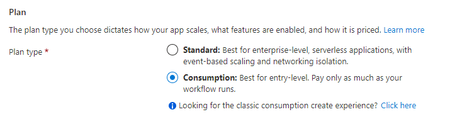
Automate SecOps to Developer Communication with DevOps Security in Defender for Cloud Logic Apps are a workflow automation feature of Microsoft Defender for Cloud (MDC) in which you can create and run automated workflows that integrate your apps, data, services, and systems. Customer feedback has been loud and clear—Security Teams need more efficient and effective ways to communicate directly with Development Teams about discovered security findings. This blog walks through creating a Logic App that Security Teams can use to automate communication of discovered security issues to Development Teams. The Logic App creates a Work Item in Azure DevOps (ADO) containing repository location, description, and remediation information from DevOps security in Defender for Cloud Recommendations that Developers can use to remediate the discovered security issue. Security Operators will find this Logic App particularly useful because they do not need to be familiar with Azure DevOps or even to login to Azure DevOps to create a Work Item for their Developers. Instead, SecOps can trigger a Logic App on an affected repository and create a Work Item for a Development Team to triage and remediate. Objectives: Create a Logic App to create an Azure DevOps work item from an MDC Recommendation Test the Logic App Prerequisite: Connector provisioned in MDC to your Source Code Management System (such as Azure DevOps or GitHub) Create a Logic App to Create an ADO Work Item Login to Azure and search for or click Logic Apps Click + Add Choose a Subscription and Resource group Enter a name for your Logic App Under Plan, choose Consumption Click Review + create Click Create Go to the Logic App you created and click Logic app designer in the left menu Click Blank Logic App In the search box, type Recommendation Choose When a Microsoft Defender for Cloud Recommendation is created or triggered Click + New step Type variable in the search box Choose Initialize variable For Name, type org_name For Type, choose String Click + New step Type variable in the search box Choose Initialize variable For Name, type project_name For Type, choose String Click + New step Type variable in the search box Choose Initialize variable For Name, type repo_name For Type, choose String Click + New step Type variable in the search box Choose Set variable For Name, choose org_name from the dropdown menu For Value, click in the empty box In the Add dynamic content flyout, click Expression and type the following: first(skip(split(triggerBody()?['properties']?['resourceDetails']?['id'],'/'),10)) and click OK Click + New step Type variable in the search box Choose Set variable For Name, choose project_name from the dropdown menu For Value, click in the empty box In the Add dynamic content flyout, click Expression and type the following: first(skip(split(triggerBody()?['properties']?['resourceDetails']?['id'],'/'),12)) and click OK Click + New step Type variable in the search box Choose Set variable For Name, choose repo_name from the dropdown menu For Value, click in the empty box In the Add dynamic content flyout, click Expression and type the following: first(skip(split(triggerBody()?['properties']?['resourceDetails']?['id'],'/'),14)) and click OK Click + New step Type azure devops in the search box Click Create a work item Click Sign in Click Accept to allow the App request for the Logic App to write to Azure DevOps For Organization Name, click in the box, click Enter custom value In the Add dynamic content flyout, click org_name For Project name, click Enter custom value In the Add dynamic content flyout, click project_name For Work Item Type, type task For Title, click in the box, type the title of the work item you want to create for your Developers, such as: A security issue needs to be remediated from the following repo: In the Add dynamic content flyout, click repo_name For Description, type Description: In the Add dynamic content flyout, click Properties Metadata Description, then hit enter twice Type Remediation steps: then hit enter In the Add dynamic content flyout, click Properties Metadata Remediation Description Your Logic App should now look like the following: Your no code Logic App is now complete and needs to be tested. Test the Logic App Navigate to Microsoft Defender for Cloud Click Recommendations Expand Remediate vulnerabilities, click Code repositories should have secret scanning findings resolved Expand Affected resources, tick an Azure DevOps repository Click Trigger logic app In the Selected subscription dropdown, choose the Subscription that contains the Logic App Tick the box next to the Logic app Click Trigger Now let’s verify that your work item has been created Login to Azure DevOps and navigate to the Project with the repository you tested Click Boards, then click Work items to see the work item that you created Your work item should look similar to the following work item: Conclusion To review, we’ve walked through creating a Logic App that creates a Work Item in Azure DevOps to communicate with Developers so they can remediate security findings discovered by Microsoft Defender for Cloud. This Logic App can be executed on any Azure DevOps repository. It injects the location, description, and remediation steps in the Work Item description body so that Developers can quickly find and fix the security issue. This helps Security Operators automate communication with Developers by creating a Work Item that the Development Team can then prioritize in their Sprint Planning sessions. Additional Resources To learn more about DevOps security in Defender for Cloud, read this documentation Download (free) a special Appendix about DevOps security in Defender for Cloud from the latest Microsoft Defender for Cloud book published by Microsoft Press To learn how to onboard your Azure DevOps Source Code Management System to Defender for Cloud, read this documentation for Azure DevOpsMicrosoft Defender for Cloud - strategy and plan towards Log Analytics Agent (MMA) deprecation
Log Analytics agent (also known as MMA) is on a deprecation path and will be retired in Aug 2024. The purpose of this blogpost is to clarify how Microsoft Defender for Cloud will align with this plan and what is the impact on customers.106KViews2likes28CommentsEU Data Boundary for the Microsoft Cloud | Frequently Asked Questions
On May 6, 2021, we announced a new pledge for the European Union. If you are a commercial or public sector customer in the EU, we will go beyond our existing data residency commitments and enable you to process and store all your data in the EU. In other words, we will not need to move your data outside the EU. This commitment will apply across all of Microsoft’s main cloud services—Azure, Microsoft 365, and Dynamics 365. We are beginning work immediately on this added step, and we will complete by the end of next year the implementation of all engineering work needed to execute on it. We’re calling this plan the EU Data Boundary for the Microsoft Cloud. The new step we’re taking builds on our already strong portfolio of solutions and commitments that protect our customers’ data, and we hope today’s update is another step toward responding to customers who want even greater data residency commitments. We will continue to consult with customers and regulators about this plan in the coming months and move forward in a way that is responsive to their feedback.