security
5354 Topics
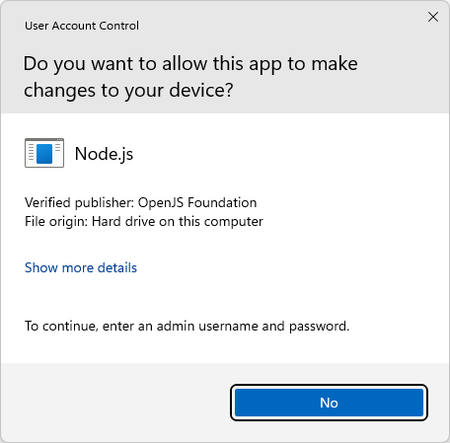
Unable to change the local admin password
This is an Intune Managed machine. I had created a local admin account through Intune and the password expires in this. I did try to change it manually, but it does not allow me to change it as I get "Access Denied". I am unable to login as local admin account since I am not sure what the password is. How can I resolve this issue?1KViews0likes1CommentSecurity Baseline for M365 Apps for enterprise v2512
Security baseline for Microsoft 365 Apps for enterprise (v2512, December 2025) Microsoft is pleased to announce the latest Security Baseline for Microsoft 365 Apps for enterprise, version 2512, is now available as part of the Microsoft Security Compliance Toolkit. This release builds on previous baselines and introduces updated, security‑hardened recommendations aligned with modern threat landscapes and the latest Office administrative templates. As with prior releases, this baseline is intended to help enterprise administrators quickly deploy Microsoft recommended security configurations, reduce configuration drift, and ensure consistent protection across user environments. Download the updated baseline today from the Microsoft Security Compliance Toolkit, test the recommended configurations, and implement as appropriate. This release introduces and updates several security focused policies designed to strengthen protections in Microsoft Excel, PowerPoint, and core Microsoft 365 Apps components. These changes reflect evolving attacker techniques, partner feedback, and Microsoft’s secure by design engineering standards. The recommended settings in this security baseline correspond with the administrative templates released in version 5516. Below are the updated settings included in this baseline: Excel: File Block Includes External Link Files Policy Path: User Configuration\Administrative Templates\Microsoft Excel 2016\Excel Options\Security\Trust Center\File Block Settings\File Block includes external link files The baseline will ensure that external links to workbooks blocked by File Block will no longer refresh. Attempts to create or update links to blocked files return an error. This prevents data ingestion from untrusted or potentially malicious sources. Block Insecure Protocols Across Microsoft 365 Apps Policy Path: User Configuration\Administrative Templates\Microsoft Office 2016\Security Settings\Block Insecure Protocols The baseline will block all non‑HTTPS protocols when opening documents, eliminating downgrade paths and unsafe connections. This aligns with Microsoft’s broader effort to enforce TLS‑secure communication across productivity and cloud services. Block OLE Graph Functionality Policy Path: User Configuration\Administrative Templates\Microsoft Office 2016\Security Settings\Block OLE Graph This setting will prevent MSGraph.Application and MSGraph.Chart (classic OLE Graph components) from executing. Microsoft 365 Apps will instead render a static image, mitigating a historically risky automation interface. Block OrgChart Add‑in Policy Path: User Configuration\Administrative Templates\Microsoft Office 2016\Security Settings\Block OrgChart The legacy OrgChart add‑in is disabled, preventing execution and replacing output with an image. This reduces exposure to outdated automation frameworks while maintaining visual fidelity. Restrict FPRPC Fallback in Microsoft 365 Apps Policy Path: User Configuration\Administrative Templates\Microsoft Office 2016\Security Settings\Restrict Apps from FPRPC Fallback The baseline disables the ability for Microsoft 365 Apps to fall back to FrontPage Server Extensions RPC which is an aging protocol not designed for modern security requirements. Avoiding fallback ensures consistent use of modern, authenticated file‑access methods. PowerPoint: OLE Active Content Controls Updated Policy Path: User Configuration\Administrative Templates\Microsoft PowerPoint 2016\PowerPoint Options\Security\OLE Active Content This baseline enforces disabling interactive OLE actions, no OLE content will be activate. The recommended baseline selection ensures secure‑by‑default OLE activation, reducing risk from embedded legacy objects. Deployment options for the baseline IT Admins can apply baseline settings in different ways. Depending on the method(s) chosen, different registry keys will be written, and they will be observed in order of precedence: Office cloud policies will override ADMX/Group Policies which will override end user settings in the Trust Center. Cloud policies may be deployed with the Office cloud policy service for policies in HKCU. Cloud policies apply to a user on any device accessing files in Office apps with their AAD account. In Office cloud policy service, you can create a filter for the Area column to display the current Security Baselines, and within each policy's context pane the recommended baseline setting is set by default. Learn more about Office cloud policy service. ADMX policies may be deployed with Microsoft Intune for both HKCU and HKLM policies. These settings are written to the same place as Group Policy, but managed from the cloud. There are two methods to create and deploy policy configurations: Administrative templates or the settings catalog. Group Policy may be deployed with on premise AD DS to deploy Group Policy Objects (GPO) to users and computers. The downloadable baseline package includes importable GPOs, a script to apply the GPOs to local policy, a script to import the GPOs into Active Directory Group Policy, updated custom administrative template (SecGuide.ADMX/L) file, all the recommended settings in spreadsheet form and a Policy Analyzer rules file. GPOs included in the baseline Most organizations can implement the baseline’s recommended settings without any problems. However, there are a few settings that will cause operational issues for some organizations. We've broken out related groups of such settings into their own GPOs to make it easier for organizations to add or remove these restrictions as a set. The local-policy script (Baseline-LocalInstall.ps1) offers command-line options to control whether these GPOs are installed. "MSFT Microsoft 365 Apps v2512" GPO set includes “Computer” and “User” GPOs that represent the “core” settings that should be trouble free, and each of these potentially challenging GPOs: “DDE Block - User” is a User Configuration GPO that blocks using DDE to search for existing DDE server processes or to start new ones. “Legacy File Block - User” is a User Configuration GPO that prevents Office applications from opening or saving legacy file formats. "Legacy JScript Block - Computer" disables the legacy JScript execution for websites in the Internet Zone and Restricted Sites Zone. “Require Macro Signing - User” is a User Configuration GPO that disables unsigned macros in each of the Office applications. If you have questions or issues, please let us know via the Security Baseline Community or this post. Related: Learn about Microsoft Baseline Security ModeMicrosoft Purview Data Risk Assessments: M365 vs Fabric
Why Data Risk Assessments matter more in the AI era: Generative AI changes the oversharing equation. It can surface data faster, to more people, with less friction, which means existing permission mistakes become more visible, more quickly. Microsoft Purview Data Risk Assessments are designed to identify and help you remediate oversharing risks before (or while) AI experiences like Copilot and analytics copilots accelerate access patterns. Quick Decision Guide: When to use Which? Use Microsoft 365 Data Risk Assessments when: You’re rolling out Microsoft 365 Copilot (or Copilot Chat/agents grounded in SharePoint/OneDrive). Your biggest exposure risk is oversharing SharePoint sites, broad internal access, anonymous links, or unlabeled sensitive files. Use Fabric Data Risk Assessments when: You’re rolling out Copilot in Fabric and want visibility into sensitive data exposure in workspaces and Fabric items (Dashboard, Report, DataExploration, DataPipeline, KQLQuerySet, Lakehouse, Notebook, SQLAnalyticsEndpoint, and Warehouse) Your governance teams need to reduce risk in analytics estates without waiting for a full data governance program to mature. Use both when (most enterprises): Data is spread across collaboration + analytics + AI interactions, and you want a unified posture and remediation motion under DSPM objectives. At a high level: Microsoft 365 Data Risk Assessments focus on oversharing risk in SharePoint and OneDrive content, a primary readiness step for Microsoft 365 Copilot rollouts. Fabric Data Risk Assessments focus on oversharing risk in Microsoft Fabric workspaces and items, especially relevant for Copilot in Fabric and Power BI / Fabric artifacts. Both experiences show up under the newer DSPM (preview) guided objectives (and also remain available via DSPM for AI (classic) paths depending on your tenant rollout). The Differences That Matter NOTE: Assessments are a posture snapshot, not a live feed. Default assessments will automatically re-scan every week while custom assessments need to be manually recreated or duplicated to get a new snapshot. Use them to prioritize remediation and then re-run on a cadence to measure improvement. Scenario M365 Data Risk Assessments Fabric Data Risk Assessments Default scope & frequency Surfaces top 100 most active SharePoint sites (and OneDrives) weekly. Surfaces org-wide oversharing issues in M365 content. Default data risk assessment automatically runs weekly for the top 100 Fabric workspaces based on usage in your organization. Focuses on oversharing in Fabric items. Supported item types SharePoint Online sites (incl. Teams files) & OneDrive documents. Focus on files/folders and their sharing links or permissions. Fabric content: Dashboards, Power BI Reports, Data Explorations, Data Pipelines, KQL Querysets, Lakehouses, Notebooks, SQL Analytics Endpoints, Warehouses (as of preview). Oversharing signals Unprotected sensitive files that don't have sensitivity label that have broad or external access (e.g., “everyone” or public link sharing). Also flags sites with many active users (high exposure). Unprotected sensitive data in Fabric workspaces. For example, reports or datasets with SITs but no sensitivity label, or Fabric items accessible to many users (or shared externally via link, if applicable) Freshness and re-run behavior Custom assessments can be rerun by duplicating the assessment to create a new run, results can expire after a defined window (30‑day expiration and using “duplicate” to re-run). Fabric custom assessments are also active for 30 days and can be duplicated to continue scanning the scoped list of workspaces. To rerun and to see results after the 30-day expiration, use the duplicate option to create a new assessment with the same selections. Setup Requirements For deeper capabilities like M365 item-level scanning in custom assessments requires an Entra app registration with specific Microsoft Graph application permissions + admin consent for your tenant. The Fabric default assessment requires one-time service principal setup and enabling service principal authentication for Fabric admin APIs in the Fabric admin portal. Remediation options Advanced: Item-level scanning identifies potentially overshared files with direct remediation actions (e.g., remove sharing link, apply sensitivity label, notify owner) for SharePoint sites. site-level actions are also available such as enabling default sensitivity labels or configuring DLP policies. Workspace level Purview controls: e.g., create DLP policies, apply default sensitivity labels to new items, or review user access in Entra. (The actual permission changes in Fabric must be done by admins or owners in Fabric.) User experience Default assessment: Site-level insights like label of sites, how many times site was accessed and how many sensitive items were found in the site. Custom Assessments: Site-level and item-level insights if using item-level scan. Shows counts of sensitive files, share links (anyone links, externals), label coverage, last accessed info, etc. And possible remediation actions Results organized by Fabric workspace. Shows counts of sensitive items found and how many are labeled vs unlabeled, broad access indicators (e.g., large viewer counts or “anyone link” usage for data in that workspace), plus recommended mitigation (DLP/sensitivity label policies) Licensing DSPM/DSPM for AI M365 features typically require Microsoft 365 E5 / E5 Compliance entitlements for relevant user-based scenarios. Copilot in Fabric governance (starting with Copilot for Power BI) requires E5 licensing and enabling the Fabric tenant option “Allow Microsoft Purview to secure AI interactions” (default enabled) and pay-as-you-go billing for Purview management of those AI interactions. Common pitfalls organizations face when securing Copilot in Fabric (and how to avoid them) Pitfall How to Avoid or Mitigate Not completing prerequisites for Purview to access Fabric environment Example: Skipping the Entra app setup for Fabric assessment scanning. Follow the setup checklist and enable the Purview-Fabric integration. Without it, your Fabric workspaces won’t be scanned for oversharing risk. Dedicate time pre-deployment to configure required roles, app registrations, and settings. Fabric setup stalls due to missing admin ownership Fabric assessments require Entra app admin + Fabric admin collaboration (service principal + tenant settings). Skipping the “label strategy” and jumping straight to DLP DLP is strongest when paired with a clear sensitivity labeling strategy; labels provide durable semantics across M365 + Fabric. Fragmented labeling strategy Example: Fabric assets have a different or no labeling schema separate from M365. Align on a unified sensitivity label taxonomy across M365 and Fabric. Re-use labels in Fabric via Purview publishing so that classifications mean the same thing everywhere. This ensures consistent DLP and retention behavior across all data locations. Too broad DLP blocks disrupt users Example: Blocking every sharing action involving any internal data causes frustration. Take a risk-based approach: Start with monitor-only DLP rules to gather data, then refine. Focus on high-impact scenarios (for instance, blocking external sharing of highly sensitive data) rather than blanket rules. Use user education (via policy tips) to drive awareness alongside enforcement. Ignoring the human element (owners & users) Example: IT implements controls but doesn’t inform data owners or train users. Involve workspace owners and end-users early. For each high-risk workspace, engage the owner to verify if data is truly sensitive and to help implement least-privilege access. Provide training to users about how Copilot uses data and why labeling & proper sharing are important. This fosters a culture of “shared responsibility” for AI security. No ongoing plan after initial fixes Example: One-time scan and label, but no follow-up, so new issues emerge unchecked. Operationalize the process: Treat this as a continuous cycle. Leverage the “Operate” phase – schedule regular re-assessments (e.g., monthly Fabric risk scans) and quarterly reviews of Copilot-related incidents. Consider appointing a Copilot Governance Board or expanding an existing data governance committee to include AI oversight, so there’s accountability for long-term upkeep. Resources Prevent oversharing with data risk assessments (DSPM) Prerequisites for Fabric Data risk assessments Fabric: enable service principal authentication for admin APIs Beyond Visibility: new Purview DSPM experience Microsoft Purview licensing guidance New Purview pricing options for protecting AI apps and agents (PAYG context) Acknowledgements Sincere Regards to Sunil Kadam, Principal Squad Leader & Jenny Li, Product Lead, for their review and feedback.What to Do When Windows 11 Suddenly Prompts for Activation and the Settings Page Freezes?
The system was previously running normally, but today it suddenly prompted for activation. After clicking "Activate Now," the entire Settings app completely freezes and becomes unresponsive.23Views0likes1CommentCan I switch between monitors with the press of a single button?
I'm looking for a way to easily switch between two or more monitors on my computer without having to manually adjust the display settings. Currently, I have to click on the monitor icon in the system tray, select the desired monitor, and then click "apply" to switch between them. I'm wondering if there's a way to assign a single button or shortcut to switch between monitors, perhaps using a keyboard shortcut or a dedicated button on my keyboard or mouse. Any suggestions?267Views0likes1Comment
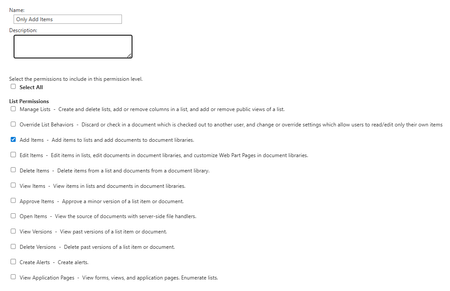
Add items Permission level
Hi, I'd like to know a way to set permissions on a list so that users in the SharePoint site - Members group can't see existing items in the list that don't have unique permissions assigned. They can only add new items in this list. Once an item is created, a workflow would be triggered that would add a unique permission only for that item. The problem is that when creating a Permission Level with only the ability to add items, the user loses access to the custom item creation form.68Views0likes3Comments