Recent Blogs

On October 31, 2027, Azure SQL Database will retire Intel Software Guard Extensions (SGX) enclave functionality for Always Encrypted. Workloads that still depend on Intel SGX enclaves after that date...
Oct 07, 2026201Views
1like
1Comment
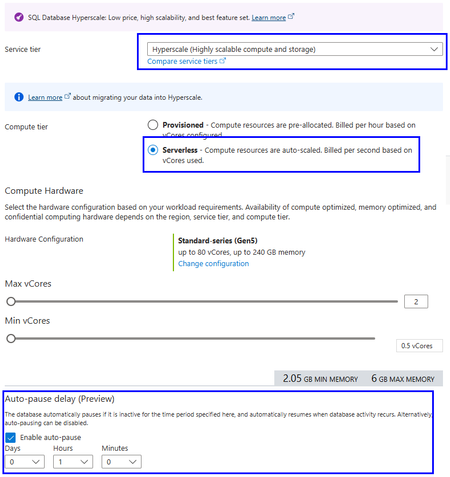
Auto-pause and auto-resume are now available in public preview for Azure SQL Database Hyperscale Serverless. You can now combine Hyperscale's independent scaling of compute and storage with the abili...
Sep 29, 2026362Views
0likes
0Comments
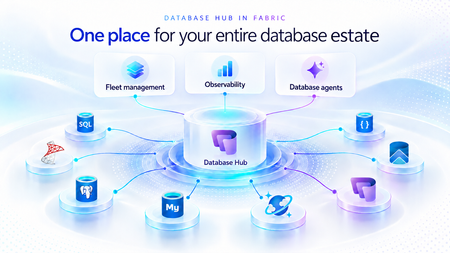
As applications grow, so does the database estate behind them. What starts with a handful of databases can become hundreds or thousands of resources spread across services, subscriptions, and environ...
Sep 29, 2026755Views
5likes
1Comment
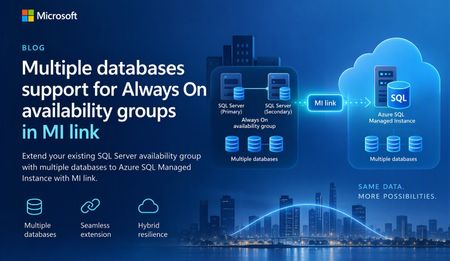
4 MIN READ
A simpler way to extend availability groups to Azure
We are pleased to announce the preview of multi-database mode for Managed Instance link. The new mode lets you replicate multiple databases from...
Sep 29, 2026367Views
0likes
0Comments
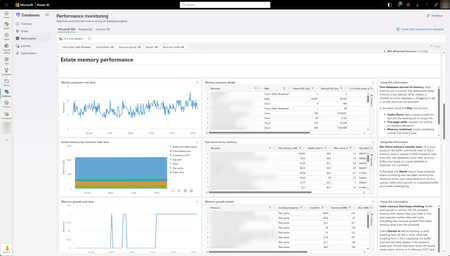
We're excited to announce the public preview of performance monitoring for Azure SQL in Database Hub in Fabric.
Performance monitoring brings the health and performance of your SQL estate into Data...
Sep 28, 20261.8KViews
3likes
5Comments
We are excited to announce the public preview of local time zone support in Azure SQL Database. You can now configure a time zone at the database level and override it for an individual session using...
Sep 28, 2026223Views
0likes
0Comments
Higher transaction log throughput and flexible memory address two different resource dimensions, but they follow the same principle: giving customers more control over the resources they need for the...
Sep 28, 2026652Views
1like
0Comments
SQL Data Sync has served customers well for many years, and we recognize that many teams rely on it. As operational, security, and compliance requirements have continued to evolve, we are progressing...
Sep 09, 2026583Views
0likes
1Comment
Background
Historically, DevOps Auditing could be configured through the server-level auditing API using the isDevopsAuditEnabled property under:
Microsoft.Sql/servers/auditingSettings
As A...
Aug 31, 2026336Views
0likes
0Comments
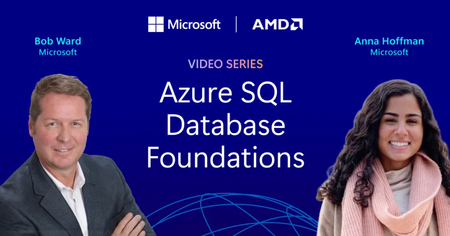
Bob Ward and I recently released a series of videos, read more in the original blog post or go directly to the series on YouTube.
The Azure SQL Database Foundations series are four videos that take...
Aug 26, 2026351Views
0likes
0Comments
Tags
- azure sql633 Topics
- azure sql database329 Topics
- azure sql managed instance315 Topics
- azure sql security192 Topics
- sql server184 Topics
- sql server on azure vms95 Topics
- hyperscale44 Topics
- modernization43 Topics
- SQLCAT25 Topics
- Microsoft Ignite 20238 Topics