mvp
75 TopicsWomen For Technical Talks: Building Visibility, Confidence, and Impact
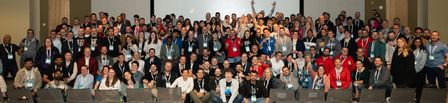
Technical Content and Tracks The agenda reflected a broad and diverse technical scope, structured into four main tracks: Track 1: AI, Cybersecurity, and Economy Track 2: Motivation and Power Platform Track 3: Power BI Track 4: Data and Development with Power Platform The distribution of accepted sessions highlighted strong interest in artificial intelligence and motivation focused topics, alongside core technical areas. Topics such as AI (6 sessions) and Motivation (6 sessions) led the agenda, followed by Data (3), Development (3), Power Platform (2), and Power BI (1). In total, 21 thematic sessions were delivered within this structure. Community Engagement and Live Streaming Reach Attendance and engagement metrics further demonstrated the event’s success. The conference welcomed 291 registered attendees, with a notably high female participation rate of 79.04%, while male participation accounted for 20.96%. This balance illustrates the inclusive nature of the event while remaining open to the broader community. Participants joined from a wide range of countries, with Spain representing 68.04% of attendance, followed by Argentina (5.84%) and Colombia (4.12%). Additional participation came from countries across Europe, Latin America, and North America, including the United States, Germany, Mexico, Peru, Brazil, Portugal, and others, reflecting the global resonance of the initiative. Live streaming played a key role in amplifying the event’s impact. Chat interactions and real‑time engagement during sessions confirmed strong participation and interest across both days. Presence in Major Technical Events Beyond its own events, Women For Technical Talks (W4TT) has maintained an active presence in major conferences such as Bizz Summit, Power BI Days, .NET events, Global AI events, and other international conferences. In many of these, the community is given a dedicated 10‑minute space to present its mission and activities. These moments have proven especially impactful, as they consistently attract new women who approach the team afterwards to ask how they can participate as future speakers. Learning Moments and Community Anecdotes Like any live event, the journey included learning moments. There were last‑minute track changes and the occasional loss of a speaker, all handled through collaboration and community support. One particularly memorable moment came from reading the live chat, where attendees openly encouraged new speakers. Several first‑time presenters shared how they paused, breathed deeply, and realized—often mid‑session—that they were successfully delivering their talk to a supportive audience. These moments reinforce the emotional and human value behind the numbers. In the words of attendees: - Alba Catoira – “It has been an honor to share this space with so many inspiring professionals, to hear their stories, learn from their journeys, and feel the energy of a community that champions female talent in technology. Heartfelt thanks to the organizers for their dedication and hard work in making this event a success, to the speakers and participants for their generosity in sharing knowledge and experiences, and to the sponsors for supporting initiatives that promote diversity and inclusion in the tech sector. I leave feeling inspired and having learned so much.” - Yesarelly Salazar – “What a wonderful experience!!! What once was just an idea has now become a reality. Thank you to Women For Technical Talks (W4TT) for creating these spaces full of learning, to the sponsors for supporting this kind of initiative, and to everyone who dedicated their time to take part.” Looking Ahead: What’s Next for W4TT Women For Technical Talks is already preparing the next steps. The community plans to strengthen its monthly activity, creating a consistent rhythm of engagement and learning. A new in-person conference is planned for June, with a clear goal of increasing the number of participating countries and further reinforcing its international identity. Future priorities also include increasing visibility on social networks, improving the community website, and identifying new needs and formats for monthly activities. Each decision continues to be guided by the same principle that started W4TT: ensuring that more women feel confident, visible, and supported when sharing their technical knowledge.Understanding the Microsoft MVP Program: Seeking Clear Guidance
Hello everyone, I’d like to start a discussion about the Microsoft Most Valuable Professional (MVP) Program. My main concern is understanding the process of becoming an MVP and the specific requirements involved. I know the program recognizes exceptional community leaders and experts who share their knowledge and support others, but the actual path to nomination and selection seems a bit unclear. Could anyone share clear guidance on the eligibility criteria, the nomination process, the types of contributions that are most valued, and practical tips to strengthen an application? Your insights and experiences would be highly valuable, not just to me but also to others in the community who may be interested in pursuing this recognition. Thank you so much for your attention and participation.Is the Microsoft MVP Program for You? A Love Letter to Community Builders
Most Microsoft Most Valuable Professionals remember the moment they realized they were already doing the work. Writing that blog post late at night because someone, somewhere, might find it helpful. Answering questions in a forum long after an event ended. Organizing a meetup with no guarantee anyone would show up. Long before the title, the badge, or the email arrived, the impact was already there. If you’ve ever wondered whether the Microsoft MVP Program might be for you, you are in the right place. The MVP Program Isn’t About Being the Loudest Voice One of the biggest misconceptions about the MVP Program is that it’s reserved for the most visible experts or the people with the biggest platforms. In reality, the MVP Program celebrates impact—and impact looks different everywhere. It can be sharing deep technical knowledge through blogs, videos, or open-source projects. Mentoring others as they grow in confidence and skill. Building safe, inclusive spaces where people feel welcome to learn. Translating complex ideas so more people can access them. Showing up consistently for your community. MVPs aren’t defined by a single moment. They’re recognized for sustained contribution, technical leadership, and generosity over time. A Global Community, Shaped by Local Voices The MVP community spans the globe, across countries, cultures, languages, and career paths. That diversity isn’t incidental; it’s essential. Every community has unique challenges and opportunities. MVPs bring local context to global conversations, ensuring that innovation isn’t centralized, but shared. Whether you’re organizing events in your city, supporting online communities in your native language, or helping others navigate their first steps in tech, your perspective matters. The program grows stronger when more voices, experiences, and stories are part of it. Growth Goes Both Ways Becoming an MVP isn’t just about recognition; it’s also about acceleration. MVPs deepen their technical curiosity, strengthen their leadership skills, and build lasting connections across regions and disciplines. They learn from peers who challenge and inspire them, and they give back by sharing insights and amplifying others. It’s a cycle of learning and contribution, powered by curiosity and care. Your Story Matters, even If It Doesn’t Feel “Big” Yet Many MVPs will tell you they hesitated before applying or accepting a nomination. “I’m still learning.” “I don’t post enough.” “Others are doing more.” But the MVP Program isn’t about perfection. It’s about intentional impact. If you’re consistently helping others learn, grow, and build — your story belongs here. And sharing that story might inspire someone else to take their first step too. Thinking About Applying? If this resonates with you, consider taking the next step: Reflect on how you’ve contributed to the community Gather examples of your impact, big or small Ask peers or community members for feedback Explore the MVP nomination process and guidelines And remember: applying isn’t a finish line. It’s part of a longer journey of learning, sharing, and growing together. Want to Learn More? Join Us Live! If you’re curious about the Microsoft MVP Program and want to explore it in a low‑pressure, welcoming space, we host quarterly live sessions through Microsoft Reactor where we walk through what the program is about, what we look for, and how nominations work. These sessions are designed to help you connect the dots between the work you’re already doing and the impact the MVP Program recognizes — with time for questions, examples, and real conversations. The next "MVP Program Essentials: What You Need to Know" session takes place on March 17! Join us here. Ready to Take the Leap? The Microsoft MVP Program exists because of people who believe that knowledge grows when it’s shared — and that communities thrive when we lift each other up. So here’s the question: What’s your MVP story — and are you ready to write the next chapter? Learn more about the MVP Program and how to apply Review the FAQs Follow the MVP community on X and LinkedIn Share your journey and encourage others to do the same We can’t wait to see what you’ll build, and who you’ll help along the way.878Views6likes1CommentHow Sharon Weaver and Christian Buckley Help Future MVPs Find Their Path
For many technologists, the Microsoft MVP Award feels inspiring - but also a little mysterious. That is exactly why MVPs Sharon Weaver and Christian Buckley host a monthly AMA (Ask Me Anything) call for aspiring MVPs. Their goal is simple: create a welcoming space where people can ask honest questions, better understand what meaningful community contribution looks like, and feel less alone on the journey. What started as a way to answer the same questions more efficiently has grown into a supportive cohort that helps future MVPs build confidence and momentum. From Curiosity to Community Sharon knows firsthand how often people ask, “How do I become an MVP?” After hearing that question again and again, she realized aspiring MVPs did not just need information - they needed community. “I kept getting lots of people asking me, and I was giving the same answers out over and over and over,” Sharon said. So she and Christian decided to create one place where people could learn together, ask questions openly, and hear practical advice from people who understood the process. Sharon believes that people do not need to become someone else to be recognized as an MVP. “You don’t need to be anything other than who you are. You just need to understand that what you do has value, how to show that value, and then be really good at that and make that visible.” That message resonates because it replaces pressure with purpose. Instead of chasing a checklist or trying to become an influencer overnight, attendees are encouraged to focus on contributions they genuinely enjoy and can sustain over time. “You don’t need to be anything other than who you are. You just need to understand that what you do has value.” - MVP Sharon Weaver The monthly AMA also helps make a big goal feel more attainable. Sharon shared, “Having other people who are not there yet to support you through that journey makes as big a difference as having people who have already been awarded.” Over the past two years, that support has mattered: Sharon said the cohort has helped around 15 people who attended the calls go on to receive the MVP Award. For Sharon, the joy is not in doing the work for anyone else; it is in opening the door, answering questions, and helping others see that their efforts already have value. “One piece of advice from the AMA calls that stayed with me was to make sure your contributions are things you enjoy doing and would do regardless of the MVP title.” - MVP Rachel Sullivan Turning Insight Into Impact One of the biggest myths Sharon hears is that aspiring MVPs need a huge platform to be considered. “Everybody thinks you need to be a speaker or an influencer,” she said. “Pick the things you do, do them well, and be visible.” That advice has helped attendees reframe the process around authentic contribution instead of comparison. MVP Rachel Sullivan reflected, “One piece of advice from the AMA calls that stayed with me was to make sure your contributions are things you enjoy doing and would do regardless of the MVP title.” MVP Karinne Bessette shared a similar takeaway: “The AMA calls made the MVP process feel more approachable because it gave real perspectives from other MVPs and people on the MVP path, which helped fight imposter syndrome.” The monthly calls also help people understand that visibility matters. Sharon encourages attendees to connect with product groups, communicate their impact clearly, and advocate for their work in ways that feel genuine. The path is rarely instant - Sharon estimates many people spend two to three years on the journey - but the combination of clarity, encouragement, and community makes a real difference. Just as importantly, the calls remind people that not receiving the award the first time is not the end of the story. It is simply part of a longer journey of growth, contribution, and persistence. “The AMA calls made the MVP process feel more approachable because it gave real perspectives from other MVPs and people on the MVP path, which helped fight the imposter syndrome.” - MVP Karinne Bessette Why This Matters The value of these AMA calls goes far beyond helping one person earn an award. They remind people that they are not alone, that their voice matters, and that there is space for them in this community exactly as they are. For someone who feels uncertain, overwhelmed, or unsure whether what they do is enough, that kind of encouragement can be transformative. It can spark confidence, create connection, and turn self-doubt into action. When people feel seen, supported, and inspired to keep going, the impact reaches far beyond a single moment - it deepens the sense of belonging that makes this community so special. “If these chats help people realize one thing, I hope it’s that there is no specific checklist of tasks to complete to become an MVP. It can be a very different path for each MVP, because there are countless ways to give back to the community. You don’t need to follow someone else’s formula—you need to find a contribution path that’s authentic and sustainable for you." – MVP Christian Buckley Keep the Momentum Going If you are curious about becoming a Microsoft MVP, consider joining Sharon and Christian’s monthly AMA calls and taking the next step alongside others who are asking the same questions. And if you are already an MVP, think about how you might create a similar space in your own region or community. Sometimes the most powerful thing we can do is make the path feel more visible for someone else. Learn more from Sharon’s blog post, Navigating the Microsoft MVP Nomination Process: Tips and Insights, and meet these community leaders: Sharon Weaver, Christian Buckley, Rachel Sullivan, and Karinne Bessette. Want to Learn More About the MVP Program? To find an MVP and learn more about the MVP Program visit the MVP Communities website and follow our updates on LinkedIn or #mvpbuzz. Join us for a future live session through the Microsoft Reactor where we walk through what the MVP program is about, what we look for, and how nominations work. These sessions are designed to help you connect the dots between the work you’re already doing and the impact the MVP Program recognizes - with time for questions, examples, and real conversations.233Views5likes0CommentsThinking of Joining the MVP Program? Hear What Makes It Special!
We’re thrilled to share our brand-new video spotlighting the heart of the MVP Program - our MVPs themselves! In this inspiring video, MVPs from around the world open up about what being part of this global community means to them, and why they love it. Watch the MVP Program video here If you’ve ever wondered what it’s like to be an MVP - or if you're considering applying - this is the perfect place to start! But that’s just the beginning. We’ve gathered a set of helpful resources to guide you through the program and how to get involved: New to the MVP Program? Start Here: MVP Communities Website – Find everything you need to know about the MVP Program, including how to apply, who the MVPs are near you, and the impact they’re making in their communities. MVP FAQs - Our updated FAQ page answers key questions about the application process, eligibility, expectations, and more. Live Event Replay - Don’t miss the replay of our recent live session, where MVPs Anastasia Salari and Zaid Zaim share their personal journeys, practical advice, and tips for those thinking about applying. Ready to Take the Next Step? If you’ve been actively contributing to the community over the past 12 months, this might be your moment. Whether through sharing knowledge, helping others, organizing events, or driving conversations - you’re exactly who the MVP Program is looking for. Dive into the resources, get inspired by the stories, and if you meet the criteria, consider applying or connecting with someone who can nominate you. Your journey to becoming an MVP could start today!677Views5likes1CommentBuilding Futures Through Community: Creating Pathways into Tech
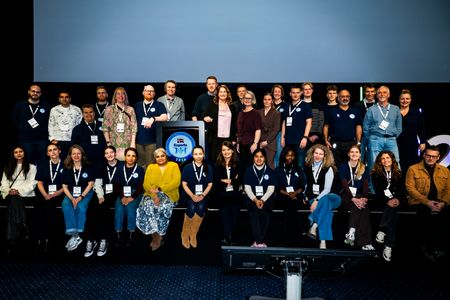
For the team behind Experts Live Denmark - organized by the Microsoft MVP & RD community in Denmark - this belief has shaped how they think about community: not just as a place to share knowledge, but as a space to open doors into the industry. That thinking is what led to the collaboration with ReDI School of Digital Integration Denmark. ReDI supports women with migrant and refugee backgrounds through digital education, mentorship, and career guidance. But as the organizers of Experts Live Denmark recognized early on, skills alone are not enough. The missing piece is often access to real environments - to people, conversations, and experiences that make the industry tangible. This is where the collaboration comes in. From Learning to Real-World Experience Rather than treating volunteers as event support, the approach has been to create an experience that reflects how the tech community actually works. As MVP Morten Knudsen says: “Our collaboration is not just about inviting volunteers to an event. It is about empowerment, mentorship, visibility, and long-term career support.” anjali Hinda at the Experts Live Denmark 2026 appreciation Dinner For volunteers like Geetanjali Hinda and Poorva Tumbde, that difference was immediately visible. Geetanjali describes it as a turning point: “It felt like a direct bridge between learning and the professional tech community.” What stood out most was not just the scale of the event - but how it felt to be part of it: “There was no clear divide between volunteers, learners, and experienced professionals. Everyone was approachable and willing to engage.” That openness is intentional. From the organizer perspective, creating an environment where people feel able to engage—not just observe - is what turns an event into an entry point. And for Geetanjali, it changed the experience entirely: “I didn’t feel like I was just supporting the event. I felt like I was contributing to it.” Confidence Comes From Participation For many entering a new country and job market, confidence can be one of the biggest barriers. Geetanjali speaks candidly about that reality: “Being a job-seeking expat, you tend to lose your confidence.” Working in a fast-paced, real-world setting helped shift that: “It reminded me of my communication and coordination skills… especially when dealing with last-minute changes.” More importantly, it changed how she approached her role: “I became more comfortable taking initiative and stepping in where needed without waiting for direction.” And something unexpected emerged: “Even without a formal role, I found myself thinking proactively and focusing on solutions.” This shift - from waiting to contributing - is exactly what the experience is designed to enable. Seeing the Industry Up Close For Poorva, the journey began through ReDI School itself: “It has been a meaningful bridge… helping us connect with and better understand Danish work culture.” Through that connection, she stepped into Experts Live Denmark and experienced the industry firsthand. What stayed with her most was the energy of the community: “The event brought together more than 1,400 attendees from diverse cultural backgrounds… What stood out to me was the passion shared by everyone involved.” But beyond the atmosphere, the experience helped expand her perspective: “I gained a better understanding of emerging technologies, the increasing role of AI… and how innovation is shaping the future of the tech industry.” Exposure to real conversations, real challenges, and real expertise helped turn abstract interest into something more concrete. Learning by Doing A key part of the experience is hands-on involvement. Poorva highlights the practical side: “I gained hands-on exposure to publishing a WordPress website, automating email communications using Microsoft Forms, and understanding the intricacies of event logistics.” At the same time, Geetanjali’s experience reflects another dimension—learning how to operate in dynamic environments. Together, these experiences provide something difficult to replicate elsewhere: Applying skills in real scenarios Understanding how collaboration works in practice Navigating uncertainty and adapting in real time Building confidence through contribution From the organizer perspective, this is the goal. Not just to expose participants to the industry - but to help them practice being part of it. More Than Technical Skills Both experiences point to a broader realization. For Poorva, it came through exposure to sessions and experts. For Geetanjali, it came through participation and interaction. As she puts it: “Being part of the tech industry is not just about technical skills, but also about collaboration and mindset.” This is a critical shift. Because entering the industry is not only about what you know - it’s about how you engage, contribute, and connect. Why This Collaboration Matters From the perspective of Experts Live Denmark, the collaboration with ReDI School is about creating continuity in the journey into tech. ReDI provides the foundation: Skills Learning Initial network The community provides the next step: Real-world exposure Practical experience Professional confidence By connecting the two, the gap between learning and working becomes smaller - and more navigable. Looking Ahead For both Poorva and Geetanjali, the experience did not end with the event. It shaped how they see their next steps. Geetanjali reflects this clearly: “Going forward, I want to combine my technical development with active participation in professional communities… showing up with a mindset of contribution, accountability, and curiosity.” That mindset - more than any single skill - is what enables long-term growth. And it is exactly what collaborations like this aim to support. Because building a strong tech community is not only about sharing knowledge. It is about bringing more people into it - and helping them find their place within it. Experts Live is a global network of community-driven conferences that brings together Microsoft executives, MVPs and community members sharing practical, real-world knowledge through sessions, conversations, and networking. Experts Live Denmark is happening again on February 9-10, 2027.337Views4likes1Comment