marketplace ai apps & agents
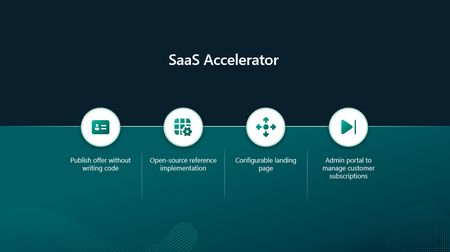
39 TopicsBuild your SaaS offer with the modernized SaaS Accelerator to sell on Marketplace
Build your SaaS offer for Microsoft Marketplace with coding agent guidance and the modernized SaaS Accelerator. Explore resources that help simplify Marketplace integration and move from development to publishing faster.168Views5likes0CommentsHow software companies can reach more SMB customers through Microsoft Marketplace in the age of AI
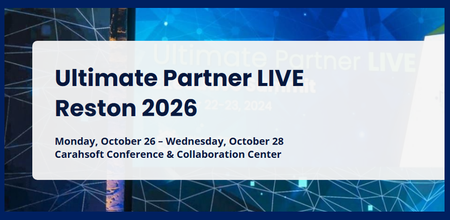
Publishing an offer on Microsoft Marketplace creates a starting point for reaching more customers and scaling growth; the opportunity goes well beyond getting listed. For software companies, Marketplace can create a path to reach more customers and scale revenue, particularly in the SMB market. Micro, small, and medium enterprises (MSMEs) account for 90% of companies globally and 70% of the world’s employment, according to World Bank Group and International Finance Corporation (IFC) data. 1 For software companies, this creates a significant opportunity to serve small and medium businesses with solutions that fit how they operate. These businesses often have lean teams, limited procurement resources, and a preference for self-service experiences that help them evaluate, purchase, and deploy technology efficiently. The age of AI is accelerating the opportunity for software companies to reach and serve SMBs. Software companies are moving beyond a simple Marketplace listing, building AI-powered products designed for how SMBs buy, deploy, and scale today. Founded in 2002, Ntegral was a traditional systems integrator, deploying client technology solutions one contract at a time. In 2021, the company began shifting its business model from primarily delivering services to bringing its own software solutions to market through Microsoft Marketplace. At UP LIVE Reston, Ntegral’s President and CTO, Dexter Hardy, will share more about what that shift meant in practice, including how Ntegral adapted its approach to products, sales, and growth. The change expanded Ntegral’s reach. Dexter has called Microsoft Marketplace "a real game changer" for the company, which now offers 300+ enterprise solutions with deployments in more than 150 countries. 2 Dexter described Marketplace as an important part of Ntegral’s growth strategy, helping the company expand its reach while, in his words, allowing Ntegral “to stay lean, focus on our expertise,” as it entered new markets. 🎯A session worth your time Scaling reach and opportunity for SMBs Ntegral Inc.’s President and CTO, Dexter Hardy, will be onstage at Ultimate Partner LIVE Reston. The session will explore practical ways SMBs can build on their Marketplace presence to support customer reach and revenue growth. Hardy will share Ntegral’s journey from a regional systems integrator to a software company focused on developing its own solutions and reaching customers globally through Marketplace. 💡Ntegral's point of view: Marketplace adoption in the age of AI Ntegral sees Marketplace as an important part of scaling its business, alongside a product strategy designed around the needs of SMB customers. Ntegral recently introduced Akili, its AI-powered platform designed for SMBs and consultants. Akili brings access to AI models and agent capabilities into one workspace, giving small teams and solo operators a way to use these capabilities without managing separate subscriptions. For Ntegral, that product strategy is closely connected to how the company approaches Microsoft Marketplace. Ntegral sees AI adoption and Marketplace as complementary parts of its growth strategy: developing products around the needs of small businesses while using Marketplace to reach customers and support transactions at scale. For Ntegral, Marketplace is part of a broader commercial strategy that connects product innovation with customer reach and scalable sales. At UP LIVE Reston, Dexter brings that same directness to the stage. The focus is on practical mechanics: how software companies can build on their Marketplace presence to reach more customers and develop more pipeline, how AI fits into that strategy, and what Ntegral changed operationally as its business evolved. Learn more about Akili. __________________________________________________________________________________________________________________________________________________________________ 📅 Attend UP LIVE Reston · October 26–28, 2026 Carahsoft Conference & Collaboration Center, Reston, VA 👉 Register for UP LIVE Reston 1 World Bank Group / IFC MSME Finance Factsheet 2 Ntegral | Empowering Digital and Cloud Transformations | Ntegral168Views2likes0CommentsBring Marketplace publishing into your agentic development workflow
Bringing Marketplace publishing into the development workflow can help teams connect product development and publishing activities through the tools and processes they already use. Teams build their product, then move into a different set of tools and processes to prepare, validate, and submit it. Marketplace Ingestion MCP creates an opportunity to bring those activities closer together. With Marketplace Ingestion MCP, publishers can use natural language and AI agents to create, validate, publish, and manage offers in Microsoft Marketplace. Instead of starting by manually constructing API payloads, publishers can describe the outcome they want. An agent can then help translate that intent into the information required by the underlying publishing APIs. Publishers can also build custom workflows using the MCP, connecting repeatable publishing activities with the development processes and tools their teams already use. The shift is straightforward: start with the publishing outcome, not the API payload. From publishing task to agentic workflow Marketplace Ingestion MCP is a Model Context Protocol (MCP) server that connects MCP-compatible agent tools with Partner Center APIs. For example, a publisher can ask an agent to create a SaaS offer and identify what is required before it can be published. The agent can retrieve the appropriate schema, build the payload, validate it, and create the offer as a draft. When the publisher is ready to continue, the agent can perform supported publishing actions. Publishers remain in control through the approval settings in their MCP client. This makes Marketplace publishing a more natural part of an agentic development workflow rather than a separate process that begins after development is complete. Four opportunities for agent-assisted publishing Teams exploring where Marketplace Ingestion MCP fits into their development lifecycle can start with four opportunities. 1. Start with intent Developers do not need to begin by manually assembling an API payload. They can describe the offer they want to create or the update they want to make. The agent can use Marketplace Ingestion MCP to retrieve the required schema, build the payload, and validate it before submission. This allows the publisher to focus first on the intended outcome while the agent handles more of the translation into API-specific structures. 2. Make repeated work part of the workflow Offer creation and updates often include steps that teams perform repeatedly. Those steps can become reusable agentic workflows and, where appropriate, be incorporated into continuous integration and continuous delivery (CI/CD) pipelines. The question for a development team now becomes: Which publishing activities do we repeat often enough that they should become part of our development workflow? The answer will differ across organizations, products, and release processes. Marketplace Ingestion MCP provides the building blocks teams can use to design a workflow that fits their needs. 3. Keep people in control Agent-assisted publishing does not require handing every decision to an agent. MCP client approval settings can require publishers to review and approve tool calls before changes are submitted. Teams can use those controls to determine where automation is useful and where human review should remain part of the process. 4. Work from familiar developer tools Marketplace Ingestion MCP works with supported MCP-compatible clients, including Visual Studio Code and GitHub Copilot CLI. This brings Marketplace publishing tasks closer to the environments where developers already build and operate their products. It also reduces the need to treat publishing as an isolated activity performed through a separate workflow. What does this look like in practice? Consider a fictional publisher, Contoso, that wants to bring a Microsoft 365 agent to customers. Contoso can provide its workflow integrated with the MCP with existing marketing material and the technical manifest for the agent. Marketplace Ingestion MCP can help translate that information into the structure required to create the product in Microsoft Marketplace. The workflow can then build on that information to create a linked SaaS offer for monetization, using the additional details required for the SaaS offer. The publisher describes what it wants to accomplish, and the agent uses Marketplace Ingestion MCP and the publishing APIs to turn that intent into supported publishing actions. Getting started Marketplace Ingestion MCP is included with access to Microsoft Marketplace publishing APIs. Before getting started, publishers need: A Partner Center account with the required role Access to Microsoft Marketplace publishing APIs A supported MCP-compatible client, such as Visual Studio Code or GitHub Copilot CLI The Microsoft Learn documentation covers prerequisites, installation and authentication, available tools, supported products, data handling, and an end-to-end SaaS example. Learn more: Marketplace Ingestion MCP server - Marketplace publisher Bringing publishing closer to development AI agents are becoming part of how developers build and operate software. Marketplace publishing can become part of those workflows as well. Marketplace Ingestion MCP connects natural-language intent with supported Marketplace publishing actions. It allows teams to create repeatable workflows while keeping publishers involved in reviewing and approving changes. The result is a closer connection between building a product and bringing it to market, helping developers focus on the cloud and AI solutions that differentiate their business. Thank you to the many teams whose collaboration brought Marketplace Ingestion MCP to publishers. Their work reflects a shared investment in helping publishers build, publish, and grow through Microsoft Marketplace.242Views1like0Comments日本で加速するチャネル成長: Multiparty private offer で広がる Microsoft Marketplace の可能性
先日、2026年8月6日に開催された Marketplace community の partner office hour に、長岩とともに登壇しました。テーマは、Microsoft Commercial Marketplace の最新動向と、日本で提供が始まったばかりの multiparty private offer (MPO) を軸にした、日本市場でのチャネルビジネスの成長です。当日は多くのパートナーの皆様にご参加いただき、活発なご質問もいただきました。本記事では、その要点を Blog として共有します。日本のチャネルビジネスに関心をお持ちの ISV・販売パートナーの皆様のヒントになれば幸いです。 Marketplace はいま、どれだけ伸びているのか まず長岩から、Marketplace の全体像と市場のモメンタムをお話ししました。 Marketplace は、Microsoft AppSource と Azure Marketplace を統合した購買プラットフォームです。お客様はソリューションの「検索 → 購入 → デプロイ」までを一気通貫で行え、ISV にとっては販売チャネル、販売パートナーにとってはビジネスを広げるエコシステムになります。 数字が語るモメンタムは明確です。 クラウド Marketplace 市場は、2024年の約300億ドルから2030年には1,630億ドルへと拡大が見込まれ、チャネル経由の販売比率が高まっています(出典: Omdia, 2025年 1 )。 Microsoft Marketplace の売上は、3年連続で前年比2倍に成長しています(出典: Microsoft パートナーブログ, FY27 2 )。 co-sell は Marketplace 中心(Marketplace-first)のモデルへ移行しており、Microsoft Marketplace が Azure IP co-sell の主要な経路となっています。 3 日本の伸びが世界を上回っている点は、私たちが現場で感じている手応えとも一致します。 なぜ、いま Marketplace なのか Microsoft は、AI 時代の「Frontier Company」への変革をお客様とともに進めており、Marketplace はその購買体験をモダン化し、Azure 消費の中心となるプラットフォームと位置づけています。パートナーの皆様の視点で見逃せないのが、次の 2 点です。 お客様のコミットメントを活かせる (ベネフィットサイクル): お客様が Microsoft Azure に対して結んでいる消費コミットメント (MACC) は、サードパーティ ISV のソリューション購入にも充当でき、その購入額が MACC の消化としてカウントされます (IP co-sell Eligible なオファーが対象)。お客様は既存のコミットメントを活かして必要なソリューションを導入でき、パートナーにとっては提案しやすい環境が整います。 Microsoft 営業との連携: Marketplace 経由の取引は Microsoft の営業評価の対象にもなり、co-sell (協業) を組みやすくなります。さらに、認定 (Certified Software) を取得したソリューションは、追加のインセンティブ対象にもなります。 ISV を後押しする資金支援: Frontier Accelerate for Marketplace ISV の皆様が Marketplace 上でビジネスを立ち上げ、拡大するための資金支援プログラムも紹介しました。 プログラム 支援上限 狙い AI Build & Publish — Marketplace $100K Build and publish solutions AI Build & Publish — Copilot Agent Store $125K Build and publish agents SDC Customer Assessment & Proof of value (POV) $25K Assessment / POV SDC Customer Migration & Modernization $250K Migration / modernization いずれもプログラムへの登録と一定の要件があります。適格性の詳細やお申し込みは、記事末尾の窓口をご覧ください。 そして、multiparty private offer が日本へ (2026年7月15日 GA) ここからが本題です。2026年7月15日、multiparty private offer の日本提供が開始 (GA) されました。日本のチャネルビジネスに、新しい選択肢が加わったことになります。 Multiparty private offer の仕組み Multiparty private offer は、ひとことで言えば「ISV が販売パートナー経由でお客様に販売するモデル」です。ポイントは、ISV がオファーを作成・公開し、パートナー向け価格とオファー条件を設定することです。販売パートナーはマージンを設定し、顧客向け価格を決めて提示します。 実際の流れはこうです。 ISV がオファーを作成 販売パートナーへ提供 販売パートナーがマージンを上乗せ 顧客へ提示 顧客が承認 Marketplace で購入 Microsoft が代金を回収 Microsoft が販売パートナーへマージンを支払 Microsoft が ISV へ支払 本図では、multiparty private offer を MPO と表記します。 図1. Multiparty private offer 購入フロー 数字で見るとイメージしやすいと思います (以下は説明用の例です)。卸価格 100万円にパートナーマージン 20万円を乗せ、顧客価格は 120万円。Microsoft が顧客から 120万円を回収し、販売パートナーへマージン 20万円を支払います。ISV は、卸価格 100万円から Marketplace 手数料 3% (約3万円) を差し引いた 約97万円 を受領します。 Multiparty private offer の嬉しいところは、販売パートナーが自身でマージンを設定できる こと、パートナー同士の直接精算が不要 なこと、そして IP co-sell eligible なオファーであれば取引がお客様の Azure・MACC 消費として計上される ことです。 Resale enabled offer との違い あわせて resale enabled offer も紹介しました。resale enabled offer は「ISV が再販パートナーに再販権を付与し、再販パートナーが自社商材としてお客様に販売する」モデルです。 Multiparty private offer との決定的な違いは、ISV と再販パートナー間の精算が Marketplace の外で行われる点です。流れを multiparty private offer と同じ粒度で見てみましょう (説明用の例)。顧客価格 120万円を Microsoft が回収し、Marketplace 手数料 3% (3.6万円) を差し引いた 116.4万円 を再販パートナーが受領します。その後は、ISV と再販パートナーの契約条件に応じて ISV へ支払われます。この例での顧客への販売額は 120万円です。税務責任および売上計上の扱いは、取引構造・契約条件・適用される税法や会計基準によって異なります。各社の税務・会計専門家にご確認ください。 本図では、resale enabled offer を REO と表記します。 図2. Resale enabled offer 取引フロー 日本で効いてくる「2-tier」(Resale enabled offer と multiparty private offer) 当日、日本のパートナーの皆様にとって最も重要だとお伝えしたのが、resale enabled offer と multiparty private offer を組み合わせた 2-tier 構造 です。 登場人物は、ISV、一次販売パートナー (distributor)、二次販売パートナー (reseller)、そして顧客。前半を resale enabled offer、後半を multiparty private offer で構成します。「何百社もの販売店を 1 社ずつ契約するのは現実的ではない」― だからこそ、ISV は Distributor とだけ契約し、その配下のリセラー網で一気に展開できる。日本の既存の商流にそのまま重ねられる形です。 本図では、resale enabled offer を REO、multiparty private offer を MPO と表記します。 図3. Resale enabled offer と multiparty private offer を組み合わせた 2-tier モデル Multiparty private offer、resale enabled offer とcloud solution provider private offerはどう違う? 三者の違いを、当日の比較表に沿って整理します。 項目 Multiparty private offer Resale enabled offer Cloud solution provider プライベートオファー Microsoft ライセンスプログラム Pay-as-you-go (PAYG) / Enterprise Agreement (EA) / Microsoft Customer Agreement (MCA) PAYG / EA / MCA CSP 対象となる販売者 全 Microsoft パートナー 全 Microsoft パートナー CSP パートナー 顧客の MACC 消費対象 (※IP co-sell eligible) ○ ○ × IP Co-Sell 対象 ○ ○ × EA・SCE (Server and Cloud Enrollment) 顧客への提供 ○ ○ × CSP 顧客への提供 × × ○ 補足すると、multiparty private offer では ISV がパートナー向け価格とオファー条件を設定し、販売パートナーがお客様への販売とマージン設定を担います。役割が分かれている点が、単独販売との違いです。※ 参加には、各プログラムの登録・適格要件を満たす必要があります。MACC への算入は適格なソリューション・購入条件に限られます。IP co-sell 適格性はソリューションごとの要件に基づきます。詳細は、公式MPO参加条件、公式resale enabled offer参加条件、公式MACC適用条件をご確認ください。 会場からのご質問 (Q&A) 当日いただいた質問のうち、代表的なものをご紹介します。 Q. 消費税の徴収モデルが Microsoft 管理になる予定はありますか? 現時点では予定はありません。これは Marketplace の仕様ではなく、日本の税制に起因するものです。multiparty private offer では、ISV・販売パートナーそれぞれが取引上の役割に応じた税務責任を確認する必要があります。税務責任および売上計上の扱いは、取引構造・契約条件・適用される税法や会計基準によって異なります。各社の税務・会計専門家にご確認ください。resale enabled offer を検討する場合も同様です。 Q. リセラーですが、既存のお客様へ multiparty private offer を提供できますか? はい、可能です。multiparty private offer は「新規のお客様のみ」といった制限はなく、既存のお客様にもご提供いただけます。対象となるのは、EA・MCA (MCA-E)・間接 EA といった Azure 契約をお持ちのお客様です。一方、CSP 契約のお客様には、multiparty private offer ではなく CSP プライベートオファーをご利用ください。 Q. Multiparty private offer が日本対応したことで、最も変わるのは何ですか? 2 つあります。1 つは、従来 resale enabled offer では扱えなかった「multiparty private offer のみ対応のソリューション」を販売できるようになったこと。もう 1 つは、2-Tier 流通が可能になったことです。従来は再販パートナーを 1 社しか入れられませんでしたが、resale enabled offer と multiparty private offer により Distributor + Reseller の構造が実現します。 まとめ ― 3 つのポイント Multiparty private offer は、日本市場で不足していたチャネルモデルを補完する新機能 です。 Multiparty private offer と resale enabled offer は、Azure・MACC 消費 + IP co-sell 対象 という強力な差別化要素を備えています。 Resale enabled offer と multiparty private offer の組み合わせ により、日本の既存ディストリビューター/リセラー型の 2-Tier 商流を Marketplace 上で実現 できます。 日本の Marketplace はいま、世界でも際立ったスピードで伸びています。multiparty private offer の日本提供開始は、その成長をパートナーの皆様とともに加速させる、大きな一歩です。ご参加いただいた皆様、ありがとうございました。ご質問やご相談は、下記のリソースや窓口までお気軽にどうぞ。 参考リソース Microsoft Marketplace 公式ドキュメント: https://learn.microsoft.com/en-us/marketplace/ Multiparty private offer 概要 (Microsoft Learn): https://learn.microsoft.com/partner-center/marketplace-offers/multiparty-private-offers-overview Multiparty private offer for ISVs / Selling Partners (Microsoft Learn): https://learn.microsoft.com/partner-center/marketplace-offers/multiparty-private-offers-for-isvs Multiparty private offer FAQ (Microsoft Learn): https://learn.microsoft.com/partner-center/marketplace-offers/multiparty-private-offers-faq Resale enabled offer 概要 (Microsoft Learn): https://learn.microsoft.com/partner-center/marketplace-offers/resale-enabled-offers-overview Channel-led Resources Hub: https://aka.ms/channel-ledresources Eligible Selling Partner List: https://aka.ms/MPOEligiblePartnerList 顧客の適格性チェック (POP re-check): https://aka.ms/poprecheck Frontier Accelerate for Marketplace: https://partner.microsoft.com/en-us/partnership/frontier-accelerate-for-marketplace お問い合わせ (multiparty private offer/resale enabled offer の適格性・申請窓口): channelready@microsoft.com — English version — Accelerating partner-led growth in Japan through Microsoft Marketplace As organizations across Japan invest in AI and cloud transformation, partners are looking for faster and more scalable ways to bring solutions to market. Microsoft Marketplace helps software companies, distributors, and resellers work together to meet customer demand, scale faster through partner ecosystems, and bring cloud and AI solutions to market more efficiently. During a recent Marketplace community partner office hour, we explored how multiparty private offers help strengthen partner-led growth in Japan. Just how fast is Marketplace growing? Ryosuke opened with the big picture and the market's momentum. Marketplace is a purchasing platform that unifies Microsoft AppSource and Azure Marketplace. Customers can go from discover → purchase → deploy in one flow. For software development companies, it is a sales channel; for selling partners it is an ecosystem to grow their business. The numbers tell the story: The cloud marketplace market is projected to grow from $30 billion in 2024 to $163 billion by 2030, with the channel taking an increasing share of sales (Omdia, 2025 1 ). Microsoft Marketplace sales have doubled year over year for the third consecutive year (Microsoft Partner blog, FY27 2 ). Co-sell is moving to a Marketplace-first model 3 , making Microsoft Marketplace the primary path for Azure IP co-sell. Japan is outpacing the global rate, matching what we feel on the ground. Why Marketplace, and why now? Microsoft is helping customers transform into "frontier companies" for the AI era, and positions Marketplace as the platform that modernizes purchasing and sits at the center of Azure consumption. Two points stand out for partners: Customers can put their commitment to work: A customer's Microsoft Azure consumption commitment (MACC) can be applied to purchases of third-party software companies solutions, and those purchases count as MACC drawdown (for IP co-sell eligible offers). Customers can leverage existing commitments to accelerate adoption, while partners can more easily position solutions within larger cloud and AI opportunities. Alignment with Microsoft's sales teams: Transactions through Marketplace are recognized in Microsoft's sales performance, which helps partners co-sell at scale with Microsoft sales teams and expand reach into new customer opportunities. In addition, solutions that earn a Certified Software designation become eligible for additional incentives. Funding to help software companies: Frontier Accelerate for Marketplace We also introduced funding programs that help software companies launch and grow their business on Marketplace. Program Funding cap Purpose AI Build & Publish — Marketplace $100K Build and publish solutions AI Build & Publish — Copilot Agent Store $125K Build and publish agents SDC Customer Assessment & Proof of value (POV) $25K Assessment / POV SDC Customer Migration & Modernization $250K Migration / modernization Each program requires registration and certain requirements for the program. For details on eligibility and how to apply, please see the end of the article. A new path to channel growth in Japan Partners in Japan now have more flexibility to grow through channel-led sales motions. The general availability (GA) of multiparty private offer supports broader collaboration among software companies, distributors, and resellers. This launch helps partners in Japan scale faster through channel relationships, expand their solution portfolios, co-sell at scale with Microsoft, and pursue larger cloud and AI opportunities. A flexible model for partner growth In a nutshell, multiparty private offer is a model where a software company sells to customers through a selling partner. The software company creates and publishes the offer and sets the partner price and offer terms; the selling partner sets its margin and customer-facing price. The flow works like this: The software company creates offer Provides it to the selling partner The selling partner adds a margin Presents it to the customer The customer approves Purchases via Marketplace Microsoft collects payment Microsoft pays the margin to the selling partner Microsoft pays the software company The graphic uses MPO to mean multiparty private offer. Multiparty private offer simplifies partner-to-partner transactions by providing a structured framework for pricing, margin management, and payments through Microsoft Marketplace. Creating new revenue opportunities, the selling partner sets its own margin. There is no direct settlement between partners. For IP co-sell eligible offers, the transaction counts toward the customer's Azure/MACC consumption. Another path to market We also covered resale enabled offer. Resale enabled offer is a model in which a software company grants resale rights to a reseller partner, and the reseller sells it to customers as its own product. A key difference between a multiparty private offer and a resale enabled offer is that settlement between the software company and the resale partner takes place outside Marketplace. Microsoft collects payment from the customer and pays the resale partner through Marketplace. For illustration, let's look at the resale enabled offer transaction. In the resale enabled offer model, reseller partners purchase and resell solutions through their own commercial relationships, giving them greater flexibility in how revenue is recognized and managed. Note: Tax responsibilities and revenue recognition depend on the transaction structure, contractual terms, and applicable tax laws and accounting standards. Please consult your tax and accounting advisers. The graphic uses REO to mean resale enabled offer. The "2-tier" model that works for Japan One of the most significant opportunities for Japan is the ability to support existing distributor-reseller business models through Marketplace. By combining resale enabled offer and multiparty private offer, software companies can extend their reach through established channel ecosystems, helping partners scale faster and engage more customers. The players are the software company, a first-tier selling partner (distributor), a second-tier selling partner (reseller), and the customer. The first half is the resale enabled offer; the second half is the multiparty private offer. Contracting with hundreds of resellers one by one isn't realistic so the software company contracts only with the Distributor and reaches the market through the Distributor's reseller network. It helps partners scale through existing distributor and reseller networks, expanding market reach without requiring one-to-one contracting relationships. The graphic uses REO for resale enabled offer and MPO for multiparty private offer. Comparing partner growth models The following table compares the partner growth model. Note: Participation is subject to the applicable registration and eligibility requirements; MACC credit applies only to eligible solutions and qualifying purchases; and IP co-sell eligibility is determined at the solution level. Please check the official multiparty private offer participation requirements, resale enabled offer participation requirements, and MACC eligibility conditions. Item Multiparty private offer Resale enabled offer Cloud solution provider (CSP) private offer Microsoft licensing program Pay-as-you-go (PAYG), Enterprise Agreement (EA), Microsoft Customer Agreement (MCA) PAYG, EA, MCA CSP Eligible sellers All Microsoft partners All Microsoft partners CSP partners Counts toward customer MACC (IP co-sell eligible) Yes Yes No IP co-sell eligible Yes Yes No Available to EA / SCE (Server and Cloud Enrollment) customers Yes Yes No Available to CSP customers No No Yes In a multiparty private offer, the software company creates and publishes the offer and sets the partner price and offer terms, while the selling partner handles the sale to the customer and sets the margin. The split of roles is what differs from selling solo. Note that multiparty private offer and resale enabled offer are IP co-sell eligible; cloud solution provider is not, a key differentiator. Q&A from the audience Here are representative questions from the day. Q. Will the consumption tax collection model become Microsoft-managed? Not at this time. This stems from Japan's tax system rather than a Marketplace design choice. For multiparty private offers, software companies and selling partners each need to assess their tax responsibilities according to their role in the transaction. Tax responsibilities and revenue recognition depend on the transaction structure, contractual terms, and applicable tax laws and accounting standards. Please consult your tax and accounting advisers. The same applies when considering resale-enabled offers. Q. As a reseller, can I offer multiparty private offer to my existing customers? Yes. Multiparty private offer has no "new customers only" restriction. You can offer it to existing customers as well. It applies to customers with Azure agreements such as Enterprise Agreement (EA), Microsoft Customer Agreement for Enterprise (MCA-E), or indirect Enterprise Agreements. For customers on Cloud Solution Provider Agreements, use cloud solution private offer instead of multiparty private offer. Q. What changes most now that multiparty private offer supports Japan? Two things. First, you can now sell "multiparty private offer-only" solutions that resale enabled offer couldn't handle before. Second, two-tier distribution becomes possible. Previously you could only insert one reseller partner, but resale enabled offer and multiparty private offer helps a distributor and reseller structure. Three key takeaways Microsoft Marketplace helps software companies, distributors, and resellers scale partner-led growth across Japan. Partners can pursue larger cloud and AI opportunities through MACC-aligned Marketplace transactions and co-sell engagement with Microsoft. Distributor and reseller ecosystems can expand market reach more efficiently through Marketplace-supported channel models. Marketplace in Japan is growing at a pace that stands out even globally. The general availability of multiparty private offer in Japan is a big step toward accelerating that growth together with our partners. Thank you to everyone who joined. For questions or discussion, please reach out via the resources and contact below. Resources Microsoft Marketplace documentation: https://learn.microsoft.com/en-us/marketplace/ MPO overview (Microsoft Learn): https://learn.microsoft.com/partner-center/marketplace-offers/multiparty-private-offers-overview MPO for software companies / Selling Partners (Microsoft Learn): https://learn.microsoft.com/partner-center/marketplace-offers/multiparty-private-offers-for-isvs MPO FAQ (Microsoft Learn): https://learn.microsoft.com/partner-center/marketplace-offers/multiparty-private-offers-faq REO overview (Microsoft Learn): https://learn.microsoft.com/partner-center/marketplace-offers/resale-enabled-offers-overview Channel-led Resources Hub: https://aka.ms/channel-ledresources Eligible Selling Partner List: https://aka.ms/MPOEligiblePartnerList Customer eligibility check (POP re-check): https://aka.ms/poprecheck Frontier Accelerate for Marketplace: https://partner.microsoft.com/en-us/partnership/frontier-accelerate-for-marketplace Contact (multiparty private offer/resale enabled offer eligibility and applications): channelready@microsoft.com 1 Source: Omdia, Partner Ecosystem Multiplier – The Microsoft Marketplace Opportunity Whitepaper, December 2025. Results are not an endorsement of Microsoft. Any reliance on these results is at the third party’s own risk. 2 Source: Microsoft internal data, measured by year-over-year Marketplace Billed Sales FY24–FY26, 3 Source: July 2026 announcements, Azure IP Co-sell Program Guide: Marketplace-First asset (Aug 19, 2026)318Views1like0CommentsMicrosoft Marketplace Partner Digest - August 2026
What's new in Marketplace Convert more buyers into customers Microsoft recently expanded Marketplace listing capabilities with enhancements to free trials and the introduction of an option to request private offers, giving partners more ways to engage buyers at different stages of the purchasing journey. Customers can now discover and evaluate solutions through expanded trial experiences and transition more easily into paid subscription discussions by requesting custom pricing and terms directly from your Marketplace listings. ✨ Help customers evaluate your solution with free trials What's new On July 23 we announced the release of Marketplace enhanced trial capabilities. Customers can try solutions with confidence with the free trials in Microsoft Marketplace. Trials are available for multiple offer types, including SaaS, Azure virtual machines, Dynamics 365, and Power BI offers. New capabilities include: Custom meter trials: Partners can configure trials for SaaS solutions with metered pricing. Flexible trial durations: Partners can now configure SaaS trial durations from 1 to 180 days. Partner analytics: Partners can access SaaS trial analytics - including free trials initiated, active free trials, free trials converted, free trials not converted, and average trial duration - all within Partner Center Insights workspace. Customer discovery and management: Customers can better discover and manage trials. Upgrade to paid subscription during trial: Customers can upgrade to paid subscription at public pricing any time during a SaaS trial. Why it matters With enhanced trial capabilities in Microsoft Marketplace, partners can run self-service trials that make it easier for customers to try before they buy — whether for metered, per-user, or flat-rate pricing offers. Marketplace gives partners one place to manage trials end to end — from provisioning and mid-trial changes to insights — while improving offer discoverability through improved search, filters, and dedicated trial badges. Recommended action Review your Marketplace offers and trial strategy. For eligible SaaS offers, evaluate whether free trials can help you engage with more qualified buyers, faster. 📖 Learn more about free trials for SaaS ⚡ Customers can now request a private offer on Marketplace What’s new As of July 20, you can add a private offer request option directly on your Marketplace product pages. Customer requests are captured as Marketplace leads in referrals workspace and connected customer relationship management (CRM) integrations you’ve setup. This setting is disabled by default. You can easily activate it for applicable public offers. Why it matters More and more customers are seeking customized contracts and subscription pricing and terms tailored to their individual needs. This simple call to action reduces friction and helps you start the conversation with prospective buyers. Recommended action In the Marketplace offers workspace of Partner Center, update each of your offers for which you provide customers private offers. Enable the Request Private Offer setting and republish the offer. Events Recent events Multiparty private offers expand channel growth opportunities in Australia, Japan and South Africa Multiparty private offers continue to help software companies accelerate channel-led sales through Microsoft Marketplace. This past month, we hosted two region-focused Marketplace office hours sessions designed to help partners better understand local market opportunities, engage distributors and resellers, and scale Marketplace transactions through channel ecosystems in Australia and Japan. Whether you're looking to expand an existing Marketplace motion or explore new geographic opportunities, these sessions will provide practical guidance and market-specific insights to help you grow. See a list of currently supported countries/regions. Check out the recorded sessions: • Channel growth in Australia (English) • Channel growth in Japan (Japanese) Helping developers build, monetize, and scale AI solutions with Marketplace Discover how Microsoft Marketplace helps software companies access AI models and developer tools, accelerate application development, and reach customers through Microsoft's global commercial ecosystem. Learn how to monetize applications and agents without building and maintaining your own commerce and distribution infrastructure. Watch the recording Upcoming events Build AI-powered solutions, monetize through Microsoft Marketplace, and scale revenue through Microsoft expertise, skilling, and investments. Frontier Accelerate for Marketplace is an upcoming unified offering for software development companies to bring AI-powered solutions to market, drive customer acquisition and revenue growth, and scale through Microsoft Marketplace with technical guidance, skilling, and investments aligned to every stage of growth. 📆 Join us on August 26th before general availability to learn about the new offering, benefit alignment, migration guidance, and enrollment requirements. Next steps Turn insights into FY27 success — starting today. Ready to carry the momentum forward from MCAPS Start for Partners? Get everything you need to refine and execute your FY27 strategy in the Partner Activation Zone, including session recordings, ready-to-use playbooks, and tools to start building pipeline. Leverage your Marketplace Rewards benefits Discover use cases and how to leverage your Azure sponsorship. With Marketplace Rewards Azure sponsorships, eligible software development companies can increase sales through Microsoft Marketplace by using the sponsorships for customer deployments tied to Marketplace deals—and to offset infrastructure costs from eligible free trial offers. 📍Review the Marketplace Rewards Azure sponsorship policy guide for the latest463Views2likes0CommentsFrom co-sell ready to closed-won: A practical playbook for your Microsoft co-sell motion
Achieving co-sell ready status is an important milestone. It means the offer is on Microsoft Marketplace, Partner Center is set up, sales collateral and contacts are on file, and the solution is exposed to Microsoft sales teams for co-sell opportunities. None of that, on its own, brings deals into the pipeline or moves them to closed-won. The operational work between status activation and revenue includes: Getting a Microsoft seller's attention for a specific opportunity, or making it easier for a seller to bring one in Engaging the Microsoft seller as soon as a co-sell opportunity is created or received Running joint discovery and technical validation with the customer Structuring the private offer at the right point in the deal cycle Closing through Microsoft Marketplace where a customer's Microsoft Azure Consumption Commitment (MACC) is in play Two common paths into the co-sell motion Deals reach Partner Center through two common paths once the solution achieves co-sell ready status. The early operating approach is different for each. The middle and close of the deal look similar. Partner-led co-sell: The software company originates and manages the opportunity from its own pipeline, creates the co-sell opportunity in Partner Center, and makes the deal visible to Microsoft sales teams. Microsoft sellers can be invited to participate when appropriate. Inbound referrals from Microsoft: A Microsoft seller identifies a fit in one of their accounts and sends the referral to the software company through Partner Center's Inbound tab. The main differences show up early on: Stage Partner-led Inbound from Microsoft Discovery Software company has already qualified the opportunity Software company gets up to speed on Microsoft’s account context Initial priority Give the Microsoft seller a clear reason to engage Qualify the referral and respond quickly Keep momentum Bring a qualified opportunity with a specific ask Confirm fit, ownership, and next steps Keeping deals moving after co-sell ready A few operational practices help turn co-sell ready status into an active, repeatable sales motion: Activate the co-sell motion consistently: Co-sell ready creates access to the motion, but momentum comes from actively engaging sellers, keeping positioning current, and continuously creating and responding to co-sell opportunities. Keep every registered opportunity moving: Clear ownership, visible next steps, and regular follow-through help move opportunities beyond the initial seller connection. Platforms such as SaaSify can help software companies manage co-sell opportunity information, ownership, and next actions. Prepare the private offer early: Bringing marketplace offer preparation into the deal cycle earlier gives teams enough time to align pricing, approvals, terms, and customer requirements before the opportunity reaches procurement. Align ownership across the deal: Giving account executives and partner teams shared visibility into customer conversations, Partner Development Manager (PDM) engagement, and next steps helps both sides coordinate around the same opportunity and move the deal forward. Positioning co-sell opportunities with Microsoft The approach is different for the two flows. Partner-led opportunities need the software company to position a specific deal for the Microsoft seller. Inbound referrals need preparation ahead of time and disciplined handling once a referral arrives. For partner-led opportunities A few practices can make a partner-led opportunity easier for Microsoft sellers to engage with. Map the opportunity to relevant Microsoft solution areas and sales plays: Microsoft's solution areas and sales plays change. Positioning the offer against the most relevant current areas helps make the opportunity easier for the seller to understand and position. Bring warm, qualified opportunities: An opportunity handed to a Microsoft seller with a defined buying committee, a known budget, and clear technical fit invites investment. An opportunity that still needs basic discovery asks the seller to do the software company’s qualification work. Make a specific, actionable request: "Please introduce us to the account executive at [customer]" with a clear deadline is a clear request. Generic invitations to collaborate on joint pipeline typically remain unactioned. Provide collateral written for the seller, not the buyer: Seller-facing collateral should make the elevator pitch, workload alignment, Marketplace path, and relevant commercial context immediately clear. For inbound referrals from Microsoft Being effective on inbound referrals means being easy for Microsoft teams to consider in the first place and handling each referral effectively when it arrives. A complete, current business profile in Partner Center: Keep the software company’s Partner Center information complete and current including solution categorization, industry expertise, customer proof points, relevant Azure workloads and sales plays. Qualify inbound referrals quickly, before mobilizing the full team: Not every inbound referral is a fit. Some fall outside the software company’s target profile, workload, or timing. A fast qualification step, handled by a named account owner before wider team mobilization, protects response quality on the referrals that do fit and directs the team's effort where it can contribute. A transactable Marketplace presence: A transactable offer gives customers a clear procurement path through Microsoft Marketplace and can support MACC-aligned purchasing. Active relationships with PDMs and specialist teams: Being known to Microsoft's PDMs, industry teams, and technical specialists creates additional pathways for the software company to be considered when the right opportunity appears. Running the co-sell opportunity through active pipeline Once a Microsoft seller is engaged, the middle of the deal is joint sales work. The joint pieces below are the ones that most consistently move the deal forward. Joint account planning at the start: Early in active pipeline, the software company and the Microsoft seller should align on the stakeholder map, Microsoft's context on the account (existing Azure spend, MACC status, previous partner engagements), the software company’s view of the opportunity, the commercial path, and named next steps with owners and dates. Aligning at the outset helps prevent a co-sell opportunity from going quiet in its early stages. Joint technical validation: For Azure workload solutions, the software company should bring a Microsoft solution architect or specialist into the architecture conversation with the customer. Microsoft technical specialists can add Azure platform context, address architecture questions, and help the customer evaluate fit across its broader Microsoft environment. Joint customer meetings with clear role definition: In a co-sell customer meeting, the software company leads on solution, use case, and business value. The Microsoft seller leads on Azure context, commercial path, and alignment with the customer’s Microsoft environment. Roles should be agreed before the meeting. Technical and commercial workstreams in parallel: Technical objections need Microsoft's specialist teams and the software company’s engineering. Commercial objections need finance on both sides and clarity on the marketplace path. Sequencing these badly, by completing all technical work before starting commercial, is where the private offer scramble at close typically originates. Underneath the joint work, three lightweight disciplines keep the deal visible and moving: Keep the Partner Center record current. Update it after stage changes, close-date shifts, competitive events, or stakeholder changes. Share regular updates with the Microsoft seller. Keep them short and focused on what changed and what is needed next. Use the PDM deliberately for escalations. Bring them in when their role or internal network can help move the opportunity forward. Advancing and closing deals through Microsoft Marketplace For customers with an active MACC, purchases of MACC-eligible offers through Microsoft Marketplace can contribute toward fulfillment of that commitment. Azure IP co-sell eligibility is a prerequisite for MACC eligibility, and MACC eligibility is determined at the offer level. A common operational issue is being unprepared to close on Marketplace when the customer is ready to buy. Being commercially ready in time means: A Marketplace listing that is fully transactable, with billing enabled. A private offer template with pre-approved pricing tiers, term options, and standard legal language. A sales team that can generate a customer-specific private offer without escalating each one to operations or finance. Finance visibility into pending marketplace transactions ahead of quarter close. Moving the private offer conversation into the discovery phase of the deal removes the closing-week scramble and keeps the deal moving smoothly toward close. Running co-sell at scale A handful of co-sell deals can be worked well through individual attention. Once co-sell becomes a meaningful percentage of pipeline, operational consistency becomes more important as volume grows: Deal data drifts between Partner Center, the software company’s customer relationship management (CRM) system, and internal reporting. Private offer creation often remains a deal-by-deal manual workflow, increasing operational effort as co-sell volume grows. No single view exists of where each co-sell deal stands across systems, whether it started partner-led or arrived as an inbound referral. A purpose-built cloud go-to-market platform can help software companies manage the operational side of selling across cloud marketplaces. SaaSify, for instance, helps software companies manage co-sell workflows and marketplace operations across Microsoft Marketplace and other hyperscaler ecosystems. Platforms of this kind help in multiple practical ways: Supporting co-sell workflows within the CRM and helping to keep deal information aligned between Partner Center and the software company’s CRM. Automating private offer creation and management within the software company’s CRM, helping reduce the manual effort required to create and manage private offers. Providing workflow visibility across marketplace transactions, private offer approvals, and payout reconciliation. Reducing operational load on the sales and partnership teams so senior time goes to seller relationships and deal strategy. A 90-day framework to move from co-sell ready to closed-won deals Days 1–30: Audit Review the current state honestly against a short set of questions covering both flows: Are co-sell opportunities updated in Partner Center consistently across the team? What is the response time to inbound referrals from Microsoft, from receipt to named account owner to first customer conversation? Is the Partner Center business profile complete, current, and mapped to relevant Microsoft solution areas and sales plays? Is the offer fully transactable on Microsoft Marketplace, or listed but not yet transactable? Are private offer workflows documented and templated, or reinvented for each deal? The output should be a short list of specific gaps, each with a named owner. Days 31–60: Activate For partner-led opportunities: engage the Microsoft sellers who cover the accounts and industries where the solution is strongest, and standardize the activation ask so every co-sell opportunity comes with a specific next step and date. For inbound referrals: implement an internal SLA for qualification and response and refresh the Partner Center business profile against relevant Microsoft solution areas and sales plays. Identify pipeline opportunities where Microsoft Marketplace can support the co-sell and commercial motion and structure the private offers early in the deal cycle. Days 61–90: Measure Track conversion at each stage, split by partner-led versus inbound origin: co-sell ready to opportunity created or received, to active pipeline, to Marketplace transaction, to closed-won. Refine private offer workflows based on identified bottlenecks. Run a postmortem on one deal that closed cleanly and one that required several interventions. Measuring co-sell performance Five indicators provide a practical view of whether the co-sell motion is producing pipeline and converting opportunities into revenue: Inbound referral volume and value from Microsoft: Track referral volume, potential value, and progression to active pipeline and closed-won. Response time to first customer conversation: Track time from opportunity creation or receipt to the first substantive customer interaction. Co-sell opportunity-to-closed-won conversion: Measure conversion by stage and separately for partner-led and inbound opportunities. Share of enterprise deals closing through Microsoft Marketplace: Track the percentage and value of co-sell deals transacted through Marketplace when it aligns with customers’ purchasing needs. Private offer creation and approval cycle time: Track request-to-acceptance time to assess whether private offer operations are keeping pace with co-sell volume. Supporting metric: Partner Center data completeness and consistency. Bringing it together Microsoft co-sell gives software companies opportunities to expand their reach and work jointly with Microsoft sellers on relevant customer opportunities, with Microsoft Marketplace supporting the commercial path when it aligns to the customer’s purchasing needs. Making that motion work consistently comes down to practical disciplines: keeping Partner Center data current, responding promptly to inbound referrals, and preparing private offer workflows early. The value builds when those practices work together consistently across opportunities.326Views1like0Comments
Accelerate healthcare innovation with Dragon Copilot apps and agents in Microsoft Marketplace
Imagine spending less time navigating systems and more time caring for patients. AI brings data, insights, and content directly into the flow of work. Dragon Copilot streamlines clinical documentation and routine tasks, so clinicians spend less time navigating systems and more time focused on patient care. By simplifying physician and nursing charting, notes, flowsheets, and radiology reporting, it reduces rework and cognitive burden, helping care teams work more efficiently and confidently throughout the day. Microsoft Marketplace now supports Dragon Copilot AI Apps and Agents, creating a scalable path for partners to bring innovation directly into clinical workflows. Dragon Copilot unifies intelligence and context at the point of care, while Microsoft Marketplace is how partner innovation becomes part of that experience, enabling AI apps and agents to operate within the trusted procurement, security, and governance frameworks customers already rely on. Partners building AI apps and agents for Dragon Copilot can use Microsoft Marketplace as their commercial engine. Marketplace supports multiple enterprise‑ready sales motions, whether selling direct, or through partners for channel-led sales. This gives partners flexibility in how they go to market and meet customers where they prefer to buy. With support for per‑user and flat‑rate pricing, flexible billing options, and contract terms ranging from monthly to multi‑year, Marketplace enables partners to align their commercial model to customer procurement needs while scaling globally through trusted Microsoft purchasing, security, and global commerce. Dragon Copilot offer types in Microsoft Marketplace Microsoft Marketplace will support a family of Dragon Copilot offer types designed for partner solutions across clinical roles and workflows. The first offer type - Dragon Copilot Physician Apps and Agents - is now available, enabling partners to publish solutions that surface directly within physician workflows. Each offer type defines the intended user, where the solution appears in Dragon Copilot, and how customers discover, purchase, and deploy it, making offer selection a strategic decision that shapes monetization and the end-to-end customer experience. Supported offer type Dragon Copilot Physician Apps and Agents AI solutions that will surface directly inside Dragon Copilot at the physician point of care. They deliver in‑workflow access to insights, task automation, clinical decision support, and documentation assistance without requiring clinicians to leave their existing tools. These solutions are purchased through Microsoft Marketplace and become automatically available within Dragon Copilot after deployment. (Available in the United States) Best for: AI apps or agents built specifically for physician workflows Partners delivering role‑based intelligence Scenarios where fast, in‑context action inside Dragon Copilot is critical How it works Bringing an app or agent to Dragon Copilot through Microsoft Marketplace is designed to be simple and enterprise‑ready. Marketplace provides the commercial, operational, and discovery foundation so partners can focus on building differentiated AI experiences. Healthcare organizations can also choose to build and deploy apps or agents in Dragon Copilot and expand usage through the Marketplace. Step 1: Create offer selecting the offer type Begin in Partner Center by choosing the Dragon Copilot offer type that best aligns to your solution and target clinical persona. This choice determines where your solution surfaces inside Dragon Copilot, which roles it supports, and how customers discover, purchase, and activate it. After choosing the offer type, define pricing, billing, contract terms, and sales options. Microsoft Marketplace offers flexible pricing, sales channels, anc contract lengths to meet healthcare organizations' needs. Step 2: Customer discovery After publishing, customers can discover and purchase Dragon Copilot AI apps and agents through Microsoft Marketplace and through in-product experiences like, Azure. Step 3: Customer purchase Customers purchase Dragon Copilot solutions through the Azure portal using the same streamlined experience they use for other offers on Microsoft Marketplace. Customers complete their subscription details, and billing begins once they configure their account. From there, they are redirected to the Dragon Admin Center to complete a few final configuration steps and begin using the solution. Step 4: Customer usage After purchase, customers are guided to the Dragon Admin Center, where they activate and manage their Dragon Copilot solutions. From the admin experience, customers can complete any required configuration, assign the app or agent to the appropriate users or roles, and control how it is made available within Dragon Copilot workflows. The Dragon Admin Center provides a centralized place for customers to enable partner solutions, manage access, and ensure deployments align with their security, governance, and operational policies so AI apps and agents are ready for use at the point of care with minimal setup. What this means for you As Dragon Copilot adoption accelerates, Microsoft Marketplace provides a clear, scalable foundation for partner participation. With a dedicated Dragon Copilot offer type, partners can publish AI apps, agents, through a defined commercial model, gain targeted visibility through Dragon Copilot–specific discovery, and take advantage of Microsoft go‑to‑market programs. Learn more Read through our documentation on how extensions for Dragon Copilot work and how to build your own - AI apps and agents | Microsoft Learn Check out the sample repo with sample code and more - microsoft/dragon-copilot-extension-samples450Views1like0CommentsAn overview of accelerating AI development with Microsoft Marketplace
“The best Marketplace listings explain what the solution does, who it serves, and the outcomes it helps customers achieve.” - Felipe Ospina The new reality of AI development The pace of AI innovation continues to accelerate. New models, frameworks, and development tools are arriving at an extraordinary rate, creating new opportunities for software companies to bring intelligent products to market. But delivering an AI-powered solution requires more than selecting a model and writing code. Developers must decide how to package their solution, how customers will consume it, how it will be discovered, and how to create a path from innovation to revenue. Microsoft Marketplace is increasingly becoming part of that journey. By bringing together cloud and AI solutions, developer tools, distribution channels, and commercialization capabilities, Marketplace helps software companies move from experimentation to customer adoption through a connected Microsoft Cloud experience. Building an AI solution starts with the right foundation Many development teams work across multiple services and providers as they create AI apps and agents. Models may come from one vendor, observability tools from another, databases from a third, and cloud infrastructure from yet another source. As AI projects grow, teams often spend as much time managing supporting services as they do building differentiated customer experiences. Microsoft Marketplace offers an alternative approach by helping developers source cloud and AI solutions directly within the Microsoft ecosystem. Models, developer tools, databases, analytics platforms, and observability solutions can be provisioned into Azure environments while remaining connected to existing development workflows. This creates an experience where developers can focus more of their energy on creating value for customers and less on stitching together disconnected processes. The importance of model selection One of the most important choices in any AI project is model selection. The model that delivers the best outcome is not always the largest model or the most recognizable name. Performance, cost, specialization, and intended use case all play a role in determining whether a model supports long-term product success. Through Azure AI Foundry, developers can compare models against specific scenarios and evaluate performance characteristics alongside cost considerations. This provides a data-driven approach to selecting the right model rather than relying on assumptions alone. The ability to evaluate, provision, and iterate on models creates flexibility for software companies. A solution can begin with one model, evolve toward a different provider, or expand into industry-specific variants while maintaining a consistent development experience. For teams building products in healthcare, financial services, legal services, and other specialized domains, that flexibility can play an important role in creating differentiated solutions. Not every AI journey starts from scratch There is a common assumption that success in AI requires building an entirely new product. In reality, many software companies already have established applications, existing customer relationships, proven workflows, and trusted user experiences. For these organizations, adding AI capabilities to an existing product may create a faster path to growth. Others may choose to build entirely new AI-native agents and applications designed around emerging user experiences. Both approaches can be successful. The key is aligning the strategy to business goals, product differentiation, and desired time to market. What matters most is making intentional architectural and commercialization decisions early in the process. Choosing the right Marketplace offer type One of the most practical lessons for developers is that commercialization planning should begin while the product is being designed, not after development is complete. Microsoft Marketplace provides multiple offer types; each designed for different deployment and customer scenarios: SaaS offers are often a strong fit for applications hosted and operated by the software company. Container offers can support customers that require solutions to run within their own environments. Managed applications provide a model where customers control their Azure environment while the publisher operates the solution. Apps, agents, and connectors for Microsoft Copilot help publishers bring experiences directly into Microsoft 365 and Copilot workflows. These decisions influence architecture, deployment patterns, customer onboarding, billing approaches, support models, and go-to-market strategies. Determining the right path early helps create alignment across the entire product lifecycle. Publishing is about more than listing a product A successful AI solution needs visibility. Publishing through Marketplace is not simply about adding a product to a catalog. It is about connecting a solution to customers already working across Azure, Microsoft 365, Microsoft Copilot, Azure AI Foundry, and Microsoft partner channels. This approach allows software companies to publish once while creating opportunities for discovery across multiple Microsoft experiences. For developers and technical founders, this changes how go-to-market planning can be approached. Instead of building entirely separate distribution channels, organizations can focus on strengthening the product while benefiting from distribution pathways already connected to Microsoft Marketplace. The opportunity is not just Marketplace itself. The opportunity is reaching more customers, scaling product-led growth, and extending innovation through Microsoft's commercial ecosystem. Why intelligent discovery matters As the number of cloud and AI solutions continues to grow, discoverability becomes increasingly important. Intelligent Discovery, currently in preview, is designed to help customers describe business needs using natural language and receive relevant solution recommendations. Instead of relying only on traditional keyword searches, customers can search based on intent. For publishers, this creates an important responsibility. Product descriptions, use cases, categories, industries, and solution details become critical signals that help customers find the right offering. Clear, accurate descriptions are no longer just product marketing assets. They are part of the discovery experience itself. The more clearly a solution explains the problem it solves, the audience it serves, and the outcomes it supports, the better positioned it is to surface in relevant customer searches. Trust is built into the product AI adoption depends on trust. Customers are evaluating more than model quality. They are also evaluating security, privacy, governance, documentation, support readiness, and operational maturity. That is why secure-by-design principles should be considered from the beginning. Identity management, tenant isolation, least-privilege access controls, encryption, secure integrations, secrets management, and responsible AI practices all contribute to building customer confidence. The same principle applies to Marketplace readiness. Complete solution information, accurate support resources, strong documentation, and thoughtful onboarding experiences help customers evaluate and adopt solutions more effectively. Final thoughts AI development is no longer just about choosing a model or deploying infrastructure. Success increasingly depends on how effectively software companies connect development, publishing, discovery, customer adoption, and monetization. Microsoft Marketplace brings those elements together through a platform that helps software companies source cloud and AI solutions, publish offers, reach customers across Microsoft experiences, and grow through Microsoft's commercial ecosystem. We recently hosted a Marketplace community event that dove deeper into accelerating AI development and how Marketplace can support your next stage of AI development, publishing and growth. The complete office hour session offers additional guidance, examples, and recommendations for turning innovative ideas into scalable business opportunities. Watch and learn From AI evaluation to deployment with Microsoft Marketplace239Views0likes0CommentsMultiparty private offers are creating new opportunities for channel-led growth in Australia
The launch of multiparty private offers in Australia marks more than the availability of a new Microsoft Marketplace capability. It signals a meaningful shift in how software companies, channel partners, distributors, and Microsoft can collaborate to deliver customer outcomes through a single commercial experience. For years, many partner-led software transactions followed a fragmented model. A software company sold the application. A reseller owned the customer relationship. A services partner supported deployment or implementation. The customer then had to navigate separate commercial relationships, invoices, and procurement steps. Each participant added value, but the commercial process often created unnecessary complexity. Multiparty private offers help address that challenge by bringing software companies and channel partners into one Marketplace transaction. The model gives partners a more structured way to collaborate on customer opportunities, align commercial roles, and simplify procurement through Microsoft Marketplace. For partners developing a Marketplace strategy in Australia, this capability creates a practical path to combine software, customer expertise, implementation knowledge, and Microsoft cloud investments into a more cohesive go-to-market motion. Microsoft Marketplace is becoming a go-to-market platform Organizations are modernizing infrastructure, strengthening security, and improving data and analytics capabilities while looking for simpler ways to procure and deploy cloud solutions. Software remains a critical part of these initiatives, but customers often need more than a single application. They need software, implementation expertise, managed services, and customer-specific customization to come together in a practical solution. Microsoft Marketplace provides a framework for bringing those elements together. Software companies can publish applications through Marketplace while channel partners contribute implementation expertise, managed services, and customization for regulatory or proprietary needs. Microsoft cloud services provide the platform foundation, and Marketplace creates the commercial pathway that supports the software solution. This approach allows partners to move beyond individual product conversations and focus on solving broader business challenges. Instead of discussing a single application, partners can bring together software from relevant software companies with Azure, security, data and analytics capabilities, implementation support, and customer-specific customization. The result is a larger customer conversation centered on outcomes rather than individual technologies. Multiparty private offers bring multiple partners together in one transaction Multiparty private offers are designed to support collaborative selling through Microsoft Marketplace. The workflow begins when a channel partner identifies a customer opportunity. That opportunity may come from a software renewal, an Azure modernization project, a security initiative, or a broader business transformation need. After the opportunity is qualified, the channel partner engages the software company. The software company creates a multiparty private offer in Partner Center and extends it to the channel partner. The channel partner can then customize the offer, add margin, and present the final customer-ready offer through Marketplace. Once the customer accepts and purchases the offer, Microsoft manages invoicing and payment processing. Microsoft collects payment from the customer and distributes funds according to the transaction structure. This approach reduces operational complexity while preserving the commercial role of both the software company and the channel partner. For customers, the value is a more streamlined purchasing experience. They can acquire a partner-led software solution through a single Marketplace transaction instead of coordinating separate commercial relationships across multiple providers. For partners, the value is a clearer structure for collaboration, margin, customer engagement, and participation in Microsoft Marketplace-led sales motions. Channel-led growth is central to Marketplace success Successful software adoption rarely happens without partner expertise. Customers often depend on trusted advisors, managed service providers, systems integrators, distributors, and resellers to evaluate technology options, design solutions, manage implementation, and optimize long-term value. Multiparty private offers recognize that reality by placing the channel partner directly inside the Marketplace transaction. Rather than operating outside the software sale, the channel partner can participate in the commercial workflow and contribute differentiated customer value. For software companies, this model can extend reach through the Microsoft partner ecosystem. Channel partners often have established customer relationships, industry expertise, and delivery capabilities that help software companies enter or expand within target markets. For channel partners, multiparty private offers create a more direct way to participate in Marketplace software transactions. Partners can strengthen customer relationships, collaborate more closely with software companies, and engage Microsoft sellers around opportunities that align with eligible Marketplace offers. The result is stronger commercial alignment across the organizations responsible for delivering customer outcomes. Partners should choose the Marketplace offer model that fits the sales motion Resale enabled offers and multiparty private offers both support channel-led Marketplace selling, but they serve different collaboration patterns. Resale enabled offers are useful when a software company wants to delegate more of the transaction workflow to a trusted channel partner or distributor. In that model, the reseller assumes greater responsibility for creating the offer, managing the customer transaction, and handling partner-to-partner financial arrangements outside Microsoft’s direct view. Multiparty private offers are better suited to collaborative selling scenarios where both the software company and the channel partner remain actively involved in shaping the customer opportunity. The software company creates the offer and sends it to the channel partner, while the channel partner customizes and presents the offer to the customer. Partners deciding between the two models should evaluate several practical factors: The level of collaboration required between the software company and channel partner. Existing distributor or reseller relationships. Preferred payment and revenue recognition models. Geographic availability of each Marketplace capability. Customer purchasing agreements, including whether the customer buys through an Enterprise Agreement, Microsoft Customer Agreement, or Cloud Solution Provider motion. Whether the software company or channel partner needs to manage more of the commercial workflow. Multiparty private offers do not replace resale enabled offers. They expand Marketplace flexibility by giving partners another way to structure customer engagements based on the relationship, transaction model, and customer buying path. Azure benefit eligible offers can strengthen customer conversations Azure benefit eligible offers play an important role in Marketplace transactions because many enterprise customers have Microsoft Azure consumption commitments, commonly referred to as MACC. When customers purchase eligible solutions through Microsoft Marketplace, those purchases can contribute toward fulfilling their Azure consumption commitments. This creates a practical connection between software procurement and cloud investment strategy. Instead of treating a software purchase and an Azure commitment as separate discussions, customers can evaluate how Marketplace procurement may support both technology needs and existing Microsoft cloud commitments. For software companies and channel partners, this context can make customer conversations more relevant and actionable. If a customer has a MACC, partners can prioritize Azure benefit eligible offers and explain how Marketplace purchasing may help the customer apply eligible spend toward that commitment. This is especially important in enterprise sales cycles, where procurement efficiency, budget alignment, and cloud investment optimization can influence how customers evaluate software options. Repeatable Marketplace growth starts with partner readiness Channel partners that want to transact multiparty private offers must complete foundational Marketplace readiness steps. They need to be Microsoft partners, enroll in commercial Marketplace through Partner Center, receive a seller ID, and complete the associated tax and payment profile. Completing these steps helps partners become eligible to participate in multiparty private offer transactions. It can also support broader Marketplace engagement, including Marketplace Rewards and engagement with Microsoft sellers on eligible Marketplace opportunities. Readiness alone, however, is not enough to build a sustainable Marketplace business. Partners also need strategic focus. Rather than pursuing every software vendor relationship, channel partners should prioritize software companies that align with their customer base, delivery capabilities, and growth priorities. A security-focused partner may choose to build relationships with cybersecurity software providers. A data modernization partner may focus on analytics, monitoring, or data platform providers. An application development partner may look for software companies that complement application development, monitoring, or modernization work. By selecting aligned software relationships and creating repeatable solution patterns, partners can turn Marketplace from a transaction channel into a scalable go-to-market motion. The future of Marketplace collaboration is already taking shape Customer interest in Marketplace procurement is increasing as organizations seek more agile purchasing experiences and faster deployment timelines. Industries ranging from financial services to education and mining are exploring how Marketplace can help them simplify procurement and accelerate technology adoption. At the same time, Microsoft sellers are becoming increasingly aligned to Marketplace-driven opportunities, creating additional incentives for collaboration across the ecosystem. Together, these trends point toward a future where Marketplace serves not only as a procurement destination but also as the foundation for solution selling across software companies, distributors, channel partners, and Microsoft teams. Watch the full session to explore the complete Marketplace opportunity The launch of multiparty private offers in Australia creates new possibilities for software companies, distributors, managed service providers, systems integrators, and resellers seeking to expand their Marketplace business. By enabling collaborative selling, simplifying transactions, and aligning customer procurement with Azure investments, multiparty private offers provide a framework for building stronger customer solutions through Microsoft Marketplace. To hear the complete discussion, explore the decision frameworks, and learn directly from the Microsoft experts who shared these insights, watch the full Marketplace partner office hour session and continue the conversation in the Marketplace community. Watch and learn Multiparty private offers through Marketplace: channel growth in Australia210Views0likes0CommentsClarity at every stage: App Advisor turns Marketplace complexity into action
For software development companies, the Microsoft Marketplace journey isn’t always linear. It’s a series of decisions: what to build, how to package it, how to publish, and how to sell it, each with real dependencies and real friction.248Views4likes0Comments