local
50 TopicsJoin us at Microsoft 365 Copilot Discovery event in Huntsville, AL! - UPDATED LOCATION AND DATES!
The Microsoft 365 Copilot Discovery event in Huntsville, AL features hands-on demos, expert sessions, and real-world use cases showcasing AI-driven productivity, Microsoft Copilot capabilities, and modern workplace innovation. The event takes place on May 19th 2026 in Huntsville, AL.325Views0likes0CommentsFrom Fragmentation to Resilience: Why Next Gen “Whole of State” Is Future of Pub Sec Cybersecurity
Each year at the Billington State and Local Cybersecurity Summit, one message comes through clearly: the cyber threat landscape facing state and local governments is accelerating faster than traditional models of defense can keep up. Cyber risk is no longer confined to a single agency, system, or jurisdiction. It spans emergency management, education, healthcare, critical infrastructure, and the workforce itself. At the same time, public sector leaders are being asked to modernize services, adopt AI responsibly, and do more with constrained resources. These pressures are not isolated—and neither can the response be. That is why Microsoft is focused on a Next Gen Whole of State approach: a state-wide, coordinated model that brings together cyber defense, risk management, and workforce development into a unified strategy—designed for scale, resilience, and trust. Why “Whole of State” Matters Now Many states have invested significantly in cybersecurity over the past decade. Yet most efforts remain fragmented—with agencies operating independently, duplicating tools, and competing for scarce talent. Internal Microsoft analysis and field experience show that this model creates three persistent challenges: Limited visibility across agencies and jurisdictions Inconsistent security posture and response capability Ongoing workforce shortages that slow modernization efforts A Next Gen Whole of State program is designed to address these challenges holistically. It is a state-wide shared services model that improves efficiency, strengthens critical infrastructure defense, and accelerates AI and cyber talent development—while respecting the autonomy of individual agencies. This is not about centralizing control. It is about coordinating outcomes. Cybersecurity as Critical Infrastructure At Billington, state and local leaders consistently emphasize that cybersecurity must be treated as critical infrastructure protection, not simply an IT function. Next Gen Whole of State reflects that reality by enabling: Shared cyber services across agencies and local governments Proactive identification of vulnerabilities and “slow-burn” risks Streamlined collaboration during incident response and emergencies By aligning technology platforms, processes, and partners, states can move toward a more collective defense posture—reducing duplication while improving resilience across the entire ecosystem. This approach supports more consistent policy enforcement, better situational awareness, and more efficient use of limited funding—priorities that resonate strongly across the state and local community. Workforce Development Is a Security Imperative Another theme that consistently surfaces at Billington is the workforce challenge. Technology alone does not secure a state. People do. Next Gen Whole of State explicitly integrates workforce and economic development into the security strategy. Through hands-on skilling, apprenticeships, and industry-recognized certifications, states can help build sustainable pipelines of AI and cyber talent using real-world platforms and tools. This model supports: Career-ready training aligned to actual state and local needs Opportunities for students, veterans, and career changers Long-term reduction in dependency on external resources By investing locally, states strengthen both their security posture and their communities—an outcome public sector leaders increasingly view as inseparable. Microsoft’s Role: Thought Leadership at Scale Microsoft’s contribution to Next Gen Whole of State is grounded in three principles reflected across our public sector work: Unified platforms that span identity, security, compliance, and AI Cross-sector collaboration, connecting government, education, and partners Responsible innovation, aligned with Zero Trust and secure-by-design practices This enables states to move beyond isolated pilots toward enduring, state-wide programs—while positioning themselves to adapt as threats and technologies evolve. Importantly, Whole of State also creates a framework for consistent executive engagement, allowing leaders to align strategy, funding, and outcomes around a shared vision. Looking Ahead The conversations happening at Billington reflect a broader shift underway across the public sector. States that lead in the next decade will be those that: Treat cybersecurity as a shared responsibility Align technology, policy, and workforce strategy Build trust through resilience, transparency, and scale Next Gen Whole of State is not a single product or program. It is a strategic approach to how states protect critical infrastructure, modernize services, and prepare their workforce for an AI-driven future. And it is increasingly clear that this approach is no longer optional—it is foundational. Join the Conversation Microsoft continues to work with state and local leaders, educators, and partners to advance Next Gen Whole of State initiatives across the country. To learn more or engage with the Microsoft Security community, visit the Microsoft Tech Community and continue the conversation.263Views1like0CommentsSunderland City Profile: Frontier transformation in practice
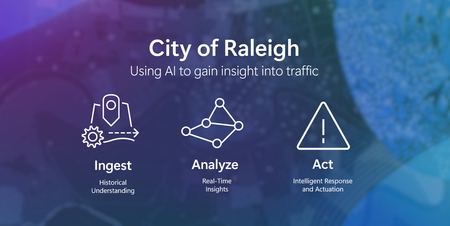
Download the SmartCitiesWorld City Profile – Sunderland Cities everywhere are facing the same pressure: modernize infrastructure, grow the economy, and improve quality of life, without widening inequality. Sunderland offers a credible path forward. Once defined by shipbuilding and coal mining, Sunderland has spent the last four decades deliberately reinventing itself. Today, it is positioning itself as the UK’s leading smart city by investing in digital infrastructure, data, and low‑carbon innovation to drive inclusive, long‑term growth. The latest City Profile from SmartCitiesWorld captures how this strategy is being executed and why it matters for city leaders globally. A digital backbone built for outcomes, not optics Sunderland’s progress starts with a clear foundation: connectivity and data designed with purpose. Full‑fibre connectivity across the city Citywide 5G and LoRaWAN coverage A secure, cloud‑based smart city data platform Together, this stack enables real‑time visibility across transport, environment, and public services. More importantly, it shifts the city from reactive decision‑making to proactive, evidence‑led operations. The impact is measurable. Data and analytics now support: Safer, more predictable event planning Smarter traffic and mobility management Earlier environmental interventions More targeted social and health services From digital health hubs that reduce exclusion to intelligent transport pilots that cut emissions and improve safety, Sunderland is applying technology where it delivers the highest public value—not where it looks most impressive on a slide. What comes next: two opportunities to scale impact The City Profile also highlights where cities like Sunderland can go further. Two opportunities stand out. Move from smart services to predictive city operations With real‑time data already in place, the next step is predictive modeling—anticipating demand across social care, transport, energy, and public safety before pressure points emerge. Done right, this enables earlier investment decisions, lower long‑term costs, and better outcomes across services. Turn digital inclusion into a workforce engine Sunderland’s digital health hubs create a foundation for something bigger: linking access and digital skills directly to workforce development. By aligning inclusion efforts with local demand in advanced manufacturing, data, and clean energy, cities can convert access into sustained economic mobility. Why Sunderland’s approach matters Sunderland’s experience reinforces a critical point: smart city transformation is not about technology in isolation. It is about aligning infrastructure, data, governance, and community priorities around a shared vision for inclusive growth. For public‑sector leaders moving from ambition to execution, the full City Profile provides practical insight into the partnerships, operating models, and decisions behind Sunderland’s approach. It’s a useful reference for anyone looking to translate a digital‑first strategy into measurable impact—for people, place, and long‑term resilience.165Views0likes0CommentsDecember Prompt-a-thon for Government Customers
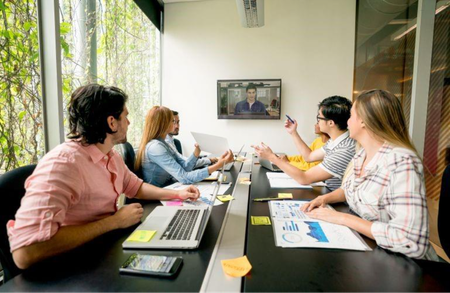
Ready to unlock the power of AI for government missions? Join us for an immersive in-person Copilot Prompt‑a‑thon designed to help you master prompt engineering, collaborate with experts, and tackle real‑world scenarios using M365 Copilot GCC. This is your chance to transform workflows, boost efficiency, and lead the way in Generative AI adoption.368Views2likes0CommentsTwo Public Sector Roundtables at PPCC25
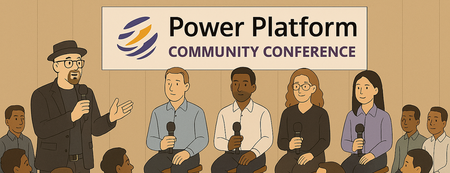
Heading to the Power Platform Community Conference in Las Vegas? Don’t miss two sessions designed for the public sector. The Microsoft Sovereign Cloud Architect Panel gives U.S. GCC, GCC High, and DoD customers direct access to Microsoft experts for roadmap and security insights. Meanwhile, Powering Public Impact brings together global government and education leaders to share strategies for governance, AI adoption, and scaling low‑code innovation. Join these conversations to learn, connect, and shape the future of digital transformation in government.227Views0likes0Comments