event
88 TopicsPartner Blog | FabCon + SQLCon Barcelona: Turning the latest data and AI innovation into partner growth
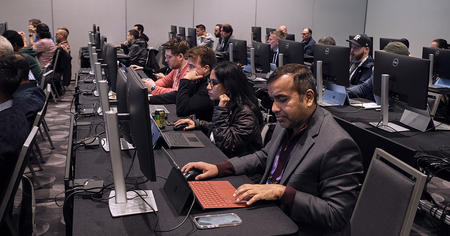
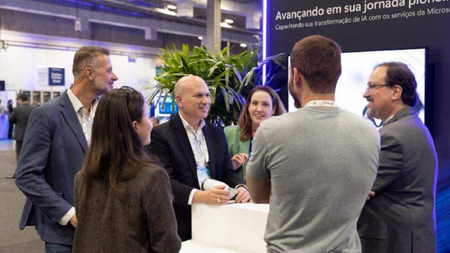
The European Microsoft Fabric + SQL Community Conference took place in Barcelona September 28 to October 1, 2026, and brought together nearly 5,000 data and AI professionals to connect, learn, and explore what it takes to move from AI experimentation to enterprise-scale impact across Microsoft Fabric, Azure SQL, and the broader Microsoft data and AI platform. For nearly 1800 Microsoft partners in attendance, the message was clear: customers need more than isolated data and AI projects. They need a unified, governed foundation that connects data, databases, analytics, AI development, enterprise context, security, and governance. That creates a powerful opportunity for partners across strategy, migration, modernization, AI innovation, governance, adoption, and ongoing optimization. The partners who can connect Microsoft Fabric, Microsoft Foundry, Azure SQL, Microsoft IQ, and Power BI around a customer’s priorities can accelerate the transformation journey while expanding the scope and durability of their own practices. “As an ISV based in Australia, FabCon Europe has been a valuable opportunity to meet customers, connect with other partners, and build relationships in the European market. Spending time with Microsoft’s experts and the Fabric team has helped us understand the latest announcements and explore how we can help customers modernize their data estates with Microsoft Fabric. We’ve also had the chance to demo our solutions and exchange ideas—and we’re looking forward to continuing those conversations closer to home at the next FabCon in Sydney.” - Julien Redmond, CEO, Ignition Data Solutions What launched in Barcelona and why it matters for partners FabCon and SQLCon 2026 in Barcelona reinforced a broader Microsoft platform direction. As customers move AI into production, their data, business context, agents, security, and governance increasingly need to operate as a connected system. Microsoft announced new capabilities across Fabric and its database portfolio designed to connect those pieces, from unifying the data estate to grounding Microsoft Copilot and agents in trusted business context and operating those workloads reliably at scale. For partners, that creates an opportunity to expand customer conversations beyond a single workload. Bring trusted business context into Copilot with Fabric IQ Microsoft is bringing business context from Fabric IQ into Microsoft Copilot. Fabric IQ in Copilot Chat and Cowork is generally available, with integration into the new Code experience coming through the Frontier program. Fabric IQ connects unified data in Microsoft OneLake, trusted metrics from Power BI semantic models, and operational context so people and agents can work from a shared understanding of the business. For partners, this opens a more outcome-led conversation about AI readiness. Customers are asking for more than access to models. They need governed data, common business definitions, and operational context that enable Copilot and agents to deliver relevant, reliable results. Partners can bring together data estate modernization, semantic modeling, governance, and agent implementation as part of one transformation roadmap. This gives customers a clearer path from foundational data work to AI adoption. Operate AI-ready data estates with greater visibility Microsoft also introduced new observability capabilities for Fabric, now in preview. Workspace monitoring, an enhanced monitor hub, and operations agents provide a unified view across workspaces, jobs, capacities, and workloads—along with alerts, AI-assisted investigation, root-cause analysis, and recommended actions. That visibility becomes more important as customers move from pilots to production. Their growing data and AI estates require ongoing monitoring, optimization, and governance. This creates a repeatable way to support customers after deployment—into operational readiness, performance optimization, and managed services—while improving the resilience of their data and AI environments. These announcements sit alongside broader innovations across OneLake, Fabric Apps, Fabric agents, Database Hub, Azure SQL, and other database capabilities. Together, they reinforce a practical partner opportunity: connect the customer’s data foundation, business context, AI applications, and operations rather than treating them as separate technology decisions. Customers want to put AI into production, but fragmented data, limited business context, and operational complexity can slow progress. Partners can differentiate by connecting Microsoft Fabric, Microsoft Foundry, Microsoft IQ, Azure databases, and SQL modernization around an outcome-led customer strategy. By doing so, partners can enable customers to unify their data estate, add trusted enterprise context, and establish the governance and operational foundation required to scale AI with confidence. "Partner Day at FabCon+SQLCon Europe brought us up to speed on Microsoft Fabric and its data and AI strategy. It also allowed us to learn and connect with peers solving the same customer challenges and gave our team a close look at the latest Fabric innovations. I'm leaving ready to help our customers move faster toward data modernization and AI transformation." - Liam McNeilly, Manager, Data and AI Platforms Lead, Campana & Schott What we heard at Partner Day The opportunity around data and AI continues to grow, and partners are central to turning that innovation into real customer impact. Partner Day brought partners together with Microsoft leaders, product experts, and the broader community to explore how to translate the latest innovation into customer outcomes. A few themes stood out: Continue reading here.129Views0likes0CommentsJoin SQL Modernization Day on October 20, 2026, to explore Azure SQL migration, AI apps, and new modernization tools for customers.
Help your customers modernize SQL: Join the SQL Modernization Day livestream on Oct 20. Your customers’ SQL Server estates are ready for their next move, and SQL Modernization Day can help you guide them there. Join the Microsoft SQL team for a no-cost, half-day livestream on Microsoft Reactor on Tuesday, October 20, 2026, from 9:00 AM–1:00 PM PT. Across eight sessions, you’ll explore: The full modernization path: moving SQL Server to Azure SQL, Azure SQL Managed Instance, Azure Virtual Machines, and SQL database in Microsoft Fabric. Building AI apps once customers land in Azure. The new SQL modernization agent, in public preview, delivered as skills that plug into any interface that supports skills, starting with GitHub Copilot CLI and Visual Studio Code. Expanded Azure Arc migration, in public preview, to migrate multiple instances at once to Azure SQL Database, Azure SQL Database Hyperscale, or Azure SQL Managed Instance. With SQL Server 2016 now out of support, this is a timely resource to share with customers still running it. Register today and invite your customers to join you. If you can’t make it live, every session will be available on YouTube after the event. Disclaimer: The SQL modernization agent and multi-instance Azure Arc migration to Azure SQL Database and Hyperscale are in public preview. Preview features are subject to change and may have limited availability. Agenda and speakers are subject to change. Participation is subject to the Microsoft Reactor Code of Conduct, linked on the registration page. Register for the livestream258Views1like1CommentPartner Blog | MCAPS Start for Partners is almost here: Your final readiness checklist
On Wednesday, July 22, Microsoft partners will come together for a no-cost, digital-only event designed to provide a clear view of Microsoft FY27 priorities, investment focus, and go-to-market direction. This is more than a moment to hear what is ahead. It is an opportunity to prepare your organization for the customer conversations, capability decisions, and execution priorities that will shape the year. The partners who will receive the most value from MCAPS Start for Partners will be the ones who tune in ready to listen, align, and act. Don’t miss out—there’s still time to register for the event. Why this moment matters The pace of AI adoption is moving quickly. Customers have moved beyond experimentation and are now focused on measurable business outcomes, return on AI investments, and trusted systems that protect their data, intellectual property, and competitive advantage. The start of the Microsoft fiscal year is an important planning moment for the partner ecosystem. It is when Microsoft priorities become clearer, investment areas come into focus, and partners can assess how to align business plans, customer motions, and internal readiness for the year ahead. MCAPS Start for Partners is designed to provide that early clarity. It gives partner leaders and teams a shared view of where Microsoft is focused, how customer demand is evolving, and what actions partners can take to build capability, go to market, and align with Microsoft sellers. Whether your business serves small and medium-sized business customers, enterprise customers, or both, your team can use the insights from MCAPS Start for Partners to start FY27 with a stronger operating rhythm and clearer alignment across your sales, technical, marketing, delivery, operations, and alliance teams. Continue reading blog here242Views2likes0CommentsPartner Blog | From Microsoft Build to AI implementation: Build the skills to lead Frontier Transformation
Microsoft Build showcased the next phase of AI transformation. Across AI platforms, agents, and secure development, one message came through: customers are moving from AI exploration to implementation. For partners, that shift creates a practical opportunity. Customers are looking for guidance on ways to design, deploy, manage, secure, and scale AI-powered solutions that create measurable business value. That takes skilled teams, repeatable delivery capabilities, and a clear path from learning to implementation. This month’s skilling updates focus on turning Build momentum into action. New Frontier Transformation Engineering resources, on-demand Frontier Transformation Summit content, upcoming certification preparation, Microskilling, and go-to-market assets give partners multiple ways to strengthen AI implementation capabilities and show customers they are ready to lead. Build Frontier Transformation Engineering capability Frontier Transformation describes the shift from AI pilots to embedded, governed operating models. It requires technical depth across agents, Copilot, Microsoft Foundry, Microsoft IQ, security, governance, and business process transformation. The Frontier Transformation Engineer Badge is designed for technical professionals building this capability. It validates the skills needed to design and deliver AI agents across Copilot Studio, Microsoft Foundry, and the broader Frontier stack. For partners, the badge signals readiness to move from AI vision to execution. To support that journey, all of the Frontier Transformation Engineer Summit sessions are now available on demand, giving your teams a chance to revisit key content or catch up on sessions they missed. Use the recordings to continue progressing toward badge attainment and prepare your teams for the AI implementation work customers are prioritizing now. Continue reading here184Views1like0CommentsAbility Summit 2026: Accessibility-first innovation and your next partner opportunity
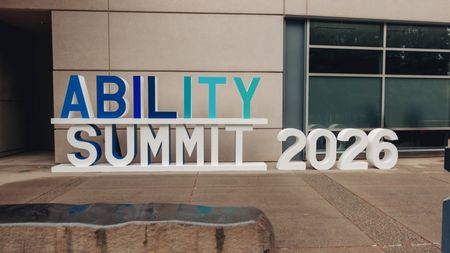
Accessibility is increasingly both a business imperative and a meaningful commercial opportunity for partners. At this year’s Microsoft Ability Summit, leaders across technology, education, and advocacy reinforced a clear point: accessibility-first innovation is creating new demand across AI, collaboration, learning, and customer experience. For partners, accessibility represents a clear opportunity to grow customer value. Accessibility-first innovation is becoming a mainstream expectation, opening opportunities to build differentiated services and solutions across AI, collaboration, learning, compliance, and customer experience. Organizations are increasingly viewing accessibility as part of a broader shift in how they approach AI, employee experience, and customer engagement. For partners, that shift creates an opportunity to lead higher-value conversations around innovation, trust, and long-term business impact. I encourage you to read Microsoft Chief Accessibility Officer Neil Barnett’s full recap of this year’s announcements and stories from the summit, including updates across AI, developer tools, Windows, devices, learning, Xbox, and inclusive packaging design. Why accessiblity matters for partners now Accessibility is becoming part of how customers evaluate experience quality, employee productivity, compliance expectations, and technology trust. Organizations are looking for technology that works consistently across real-world scenarios, roles, abilities, and environments. That expectation is accelerating as AI adoption grows. Accessibility is increasingly becoming part of how customers evaluate transformation readiness, technology trust, and the quality of the experiences they deliver across their organizations. A 2026 Forrester Consulting study commissioned by Microsoft found that assistive technology is already part of everyday work and life. Consumers reported using assistive features across at least six activities in the past month, on average. The same study found that 63% of respondents reported some level of difficulty with daily tasks related to vision, hearing, learning and cognition, mobility, and/or mental health. It also found that 71% of respondents would use assistive tools more often if enhanced with AI capabilities, and 55% said they feel a stronger commitment to employers when companies prioritize assistive tools and features. For partners, this points to a broader opportunity. Accessibility-first design can expand participation, strengthen employee and customer experiences, and build greater trust in technology, making it an increasingly important part of long-term transformation strategy. Where partners can lead The opportunity for partners is to bring accessibility into the conversations that are already shaping customer priorities, including AI transformation and adoption, modern work, application innovation, employee experience, customer engagement, and compliance. As accessibility becomes more central to business and technology strategy, partners can differentiate by making it part of the broader value they bring to customers. Partners that bring accessibility-first innovation into these conversations can deepen trust, expand strategic relevance, and create more differentiated value over time. This opportunity spans organizations of every size. Across both SMB and enterprise customers, accessibility is increasingly part of how leaders think about growth, workforce experience, customer connection, and technology modernization, and the Microsoft partner ecosystem is well positioned to meet that need. Partner opportunities in Microsoft Marketplace Microsoft Marketplace offers a useful view into how partners are translating accessibility-first innovation into practical customer value. The examples below illustrate how that opportunity is taking shape across different business and technology scenarios. Level Access makes digital accessibility a streamlined, scalable part of everyday operations The Level Access platform supports a continuous approach to accessibility, embedded into design, development, governance, and training workflows. Unlike point tools or episodic audits, this integrated solution helps organizations accelerate remediation, reduce risk, and demonstrate progress over time. Organizations can extend the power of the Level Access platform through private offers with capabilities such as LevelDocs for accessible content creation and remediation in Microsoft Word, Excel, and PowerPoint; LevelCI for automated web accessibility testing within CI/CD pipelines; and Mobile Testing for native iOS and Android accessibility across physical and virtual devices. Retain Connector by Inclusively Many organizations have invested heavily in benefits, workplace accommodations, mental health resources, and employee support programs. But employees, especially those navigating disabilities or workplace barriers, often don't know what is available or how to access it. Retain Connector by Inclusively closes that gap directly inside the tools employees already use. Deployed within Microsoft Teams, SharePoint, Outlook, and Microsoft 365 with no heavy integrations required, Retain acts as a workforce intelligence layer that lets employees describe their needs in plain language and get routed to the right benefits and resources through Inclusively's Success Enabler framework without needing to know what to search for or where to look. For employees who may feel hesitant to disclose a need or navigate a fragmented benefits landscape, the anonymous, conversational experience lowers the barrier to getting support. For HR and people leaders, Retain surfaces something equally valuable: real-time, aggregated insights into the benefits and barriers employees are actually experiencing. That intelligence helps organizations understand unmet demand, allocate benefits investments more effectively, and demonstrate a genuine commitment to inclusion not just in policy, but in practice. Creating differentiated value through accessibility offerings Taken together, these examples reinforce a broader point: accessibility is becoming an increasingly important part of how partners create differentiated value across both employee and customer experiences. Marketplace solutions can strengthen how partners bring accessibility-first innovation into customer conversations and platform experiences. The Microsoft Accessibility Partner Onboarding Guide also provides a useful foundation for partners looking to expand their accessibility focus on Microsoft platforms. The opportunity ahead for partners Accessibility is becoming an increasingly important part of the conversations customers are having around AI, modern work, security, application development, and industry transformation. The opportunity is not to treat accessibility as a separate conversation. It is to make accessibility part of how customers modernize, adopt AI, and build more trusted digital experiences. Ability Summit 2026 reinforced that accessibility-first innovation is shaping the future of AI, productivity, learning, collaboration, and end-customer experience. For partners, the opportunity is to turn that innovation into real customer impact. It is about building AI-powered experiences that are more trusted, more inclusive, and more effective for the people they serve. As Frontier Transformation accelerates AI adoption, partners are uniquely positioned to turn accessibility-first innovation into lasting business impact deepening customer relationships, expanding strategic relevance, and building stronger momentum as accessibility-first expectations continue to rise for our customers. Additional resources Read the Ability Summit 2026 blog by Neil Barnett, Chief Accessibility Officer at Microsoft. Explore the Forrester Consulting thought leadership paper commissioned by Microsoft, May 2026. Visit the Unique Unites Us accessibility hub. Watch for Ability Summit sessions to be available on demand in the coming weeks.200Views1like0CommentsPartner Blog | Make the most of MCAPS Start for Partners: Sessions to prioritize
MCAPS Start for Partners is a no-cost, digital-only event taking place Wednesday, July 22, 2026, starting at 7:00 AM Pacific Time. This year’s event is designed to give partners a fast start to FY27, with guidance on Microsoft priorities, innovation, investments, and go-to-market motions. As customers move from AI experimentation to scaled execution, partners play a critical role in turning Frontier Transformation into measurable business outcomes. MCAPS Start for Partners is designed to give you a clear view of where Microsoft is focusing in FY27 and how those priorities translate into partner opportunity across sales planning, technical readiness, Microsoft Marketplace strategy, co-sell motion, security practice growth, and customer transformation. This event is designed for the teams responsible for FY27 execution, including alliance leaders, sales, presales, technical and practice leaders, marketing, Microsoft Marketplace, customer success, and business decision-makers. Whether your organization serves small and medium-sized businesses, enterprise customers, or both, MCAPS Start for Partners can give your teams the guidance they need to align early, reduce rework, and move faster into the year ahead. FY27 starts here, together. Hear from Microsoft leaders and partner voices about where we are investing, what is changing, and how to activate AI-led opportunities to drive growth this year. Featured sessions at MCAPS Start for Partners This year’s sessions span AI Business Solutions, Cloud & AI Platforms, Security, the Microsoft AI Cloud Partner Program, co-sell, Microsoft Marketplace, and partner investments. Whether your organization is building solutions, expanding services, scaling through Marketplace, or aligning with Microsoft sellers, these sessions are designed to accelerate turning FY27 priorities into execution. Keynote: Powering Frontier Transformation AI is moving into broad, scaled deployment, and partners are essential to turning that momentum into customer outcomes. This session will frame the FY27 opportunity across build, go to market, and growth while showing how Microsoft is simplifying the way partners capture that opportunity. Continue reading blog here205Views1like0Comments