azure integration runtime
20 TopicsSecuring outbound traffic with Azure Data Factory's outbound network rules
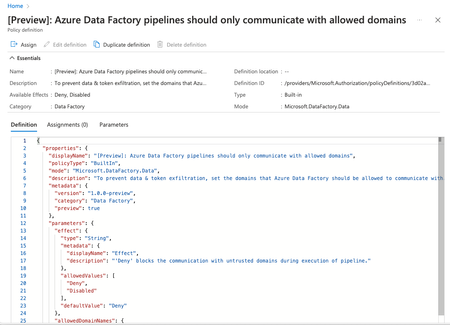
The Outbound Rules feature in Azure Data Factory allows organizations to exercise granular control over outbound traffic, thereby strengthening network security. By integrating with Azure Policy, this feature also improves overall governance.12KViews5likes10Comments
Best practices for Azure Data Factory Integration Runtime
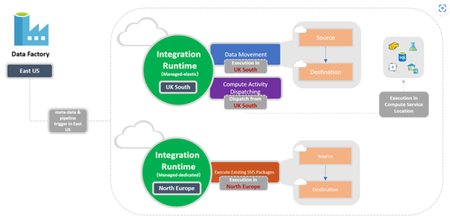
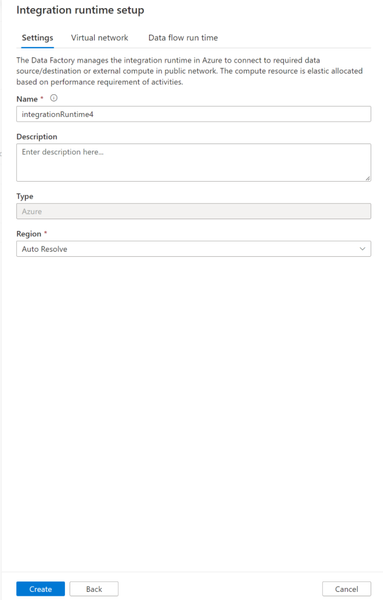
Integration runtime is a core component of Azure Data Factory. Users can use the integration runtime created by default in Azure Data Factory or create it themselves, depending on the actual situation. Since there are multiple types of Integration runtimes, it is necessary to properly select the most suitable type during actual use. We're excited to share a new article to help you determine the right integration runtime configuration for your scenario.13KViews4likes1CommentConnecting to Snowflake using Key-Pair Authentication in Azure Data Factory
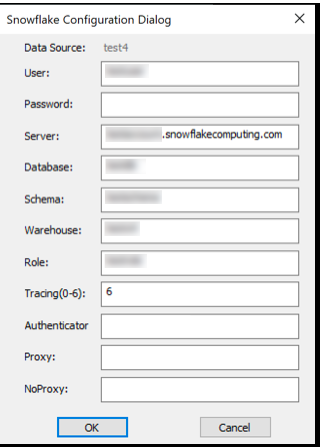
In this article, Shankar Narayanan describes a workaround method for connecting to Snowflake from Azure Data Factory using key-pair Authentication. This method uses the Snowflake ODBC driver with self-hosted integration runtime to connect via key-pair authentication.17KViews2likes0CommentsAnnouncing public preview of Time-To-Live (TTL) in managed virtual network
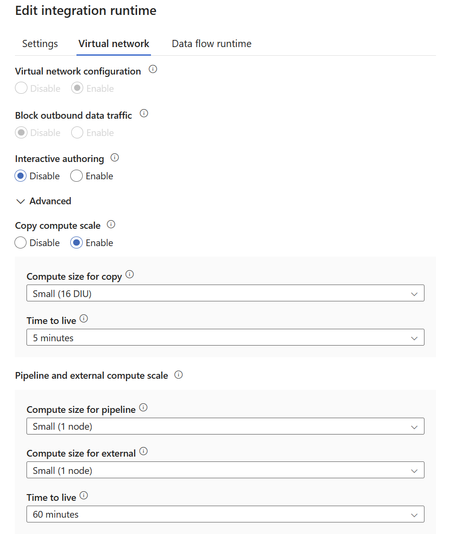
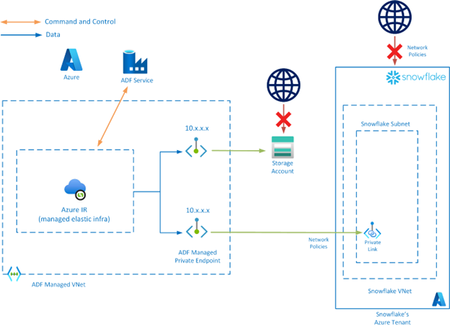
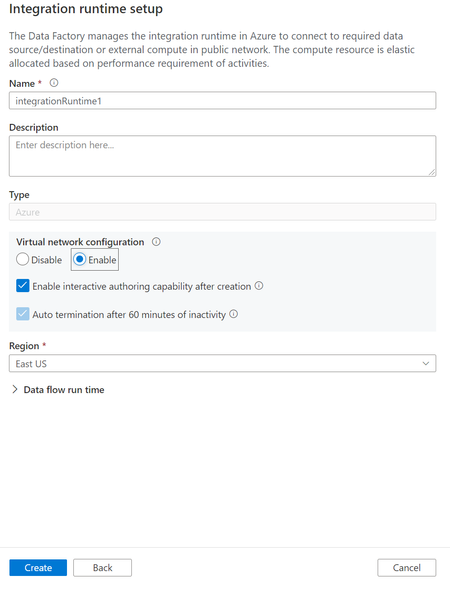
Today we’re excited to share the public preview of Time-To-Live (TTL) in managed virtual network. Background Managed virtual network provides customers with a secure and manageable data integration solution. But due to the limitation of architecture, we need to provision computes in managed virtual network each time we execute an activity. This can lead to relatively long queue times. Especially when you have small jobs that are executed sequentially, it’s not very efficient. So we introduce a TTL feature that allows users to reserve computes and these computes won’t be released within TTL period after the last activity execution. How does it work You can configure TTL settings in the integration runtime creation or edit page if this integration runtime enables managed virtual network. Since we use different computes from interactive authoring, copy activity and pipeline/external activity, so you can set different TTL value respectively. You can see more introductions and one demo in this video Learn more about managed virtual network and TTL Managed virtual network and managed private endpoints - Azure Data Factory | Microsoft Docs 8.6KViews5likes1Comment