(and It Starts with Curiosity)
AI is moving fast. But the biggest shift in communications isn’t the tools—it’s how we think.
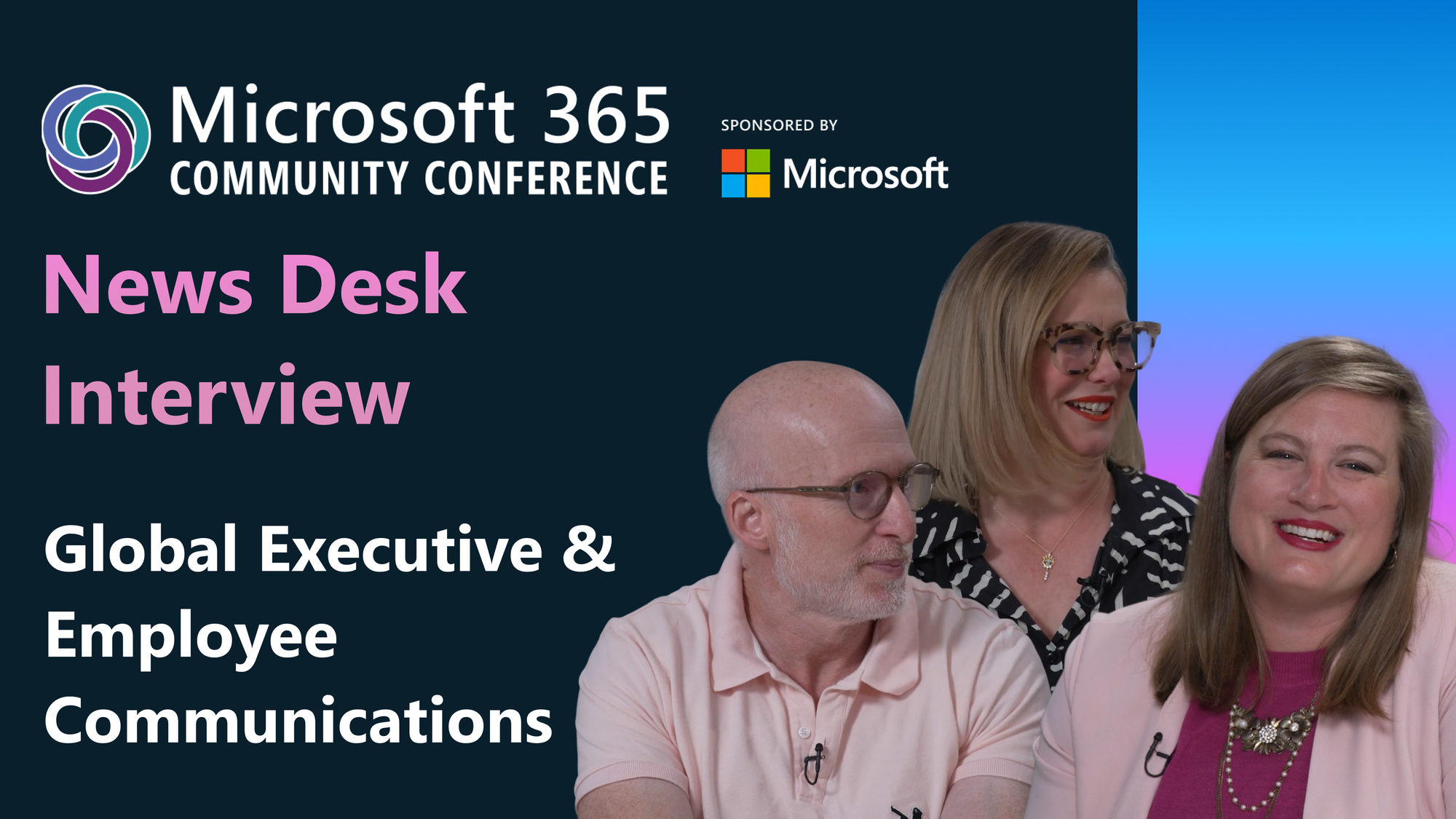
▶️ Watch the video to hear it firsthand from John Cirone and Amy Morris, from the Global Employee and Executive Comms team at Microsoft.
Three shifts every comms pro should be thinking about
- Start with the problem, not the tool
The best teams aren’t asking “Where should this go?”, they’re asking what they’re trying to solve, then choosing the right channel and voice. One of the biggest mindset shifts for communications teams today is where they begin.
- Move from broadcast to dialogue
More leader communications are designed for conversation, not just reach, because trust is built through two-way dialogue. As shared in the conversation, the question is no longer:
“Should this be an email or a post?”
It’s:
“Do we want a conversation?”
- AI is powerful—but human judgment is everything
Different AI approaches can produce different outcomes. Prompts, inputs, and interpretation matter and the human in the loop is critical. AI is already transforming how comms teams work, from drafting messages to analyzing sentiment at scale.
But one point came through clearly:The tools you choose, and the human at the center, determine the outcome.
Where to start with AI
If you’re early in your AI journey:
- Be curious: Look at your workflows and identify friction points
- Experiment: Try tools across everyday tasks and processes
- Upskill continuously: Learn from peers and share what works
- Trust—but verify: Never copy and paste without reviewing
Or as Amy Morris put it: “Trust—but don’t copy and paste. Use AI as a thought partner—but always bring your expertise.”
Scaling communications through community
One of the most powerful enablers isn’t just AI, it’s community.
At Microsoft, the global communications community (often referred to as “GEEK”) connects communicators across teams and geographies to:
- Share best practices
- Learn from real scenarios
- Experiment and “learn out loud” together
This kind of peer-driven learning is helping teams scale faster, align messaging, and build consistency across the organization. Is this similar to how you are thinking about internal communication at your organization?

 Microsoft