iot
18 TopicsUnderstanding Small Language Modes
Small Language Models (SLMs) bring AI from the cloud to your device. Unlike Large Language Models that require massive compute and energy, SLMs run locally, offering speed, privacy, and efficiency. They’re ideal for edge applications like mobile, robotics, and IoT.1.1KViews4likes0Comments#SecureDevelopment: Security for Developers
As a developer, you need to keep up with advances in software and infrastructure security, even if it isn’t your job 100% of the time. But how do you keep up with all the security threats that are constantly emerging, and the tools developed to combat them? This blog will help you stay up to date on the latest trends and, hopefully, ease your concerns.Develop 5G Modern Connected Applications using Microsoft application accelerator
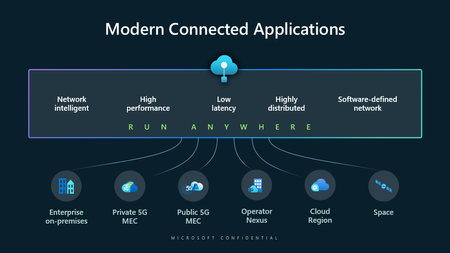
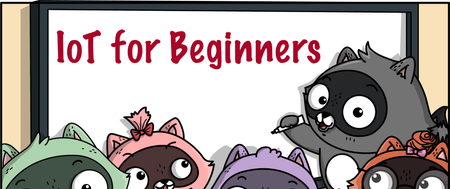
Today, 5G enables new applications for scenarios that were previously out of reach. From smart roads that can notify of obstacles in the road in real time to smart airports that can identify runway issues before they threaten safety, a new breed of real-time and mission-critical applications is emerging.IoT for Beginners, curriculum
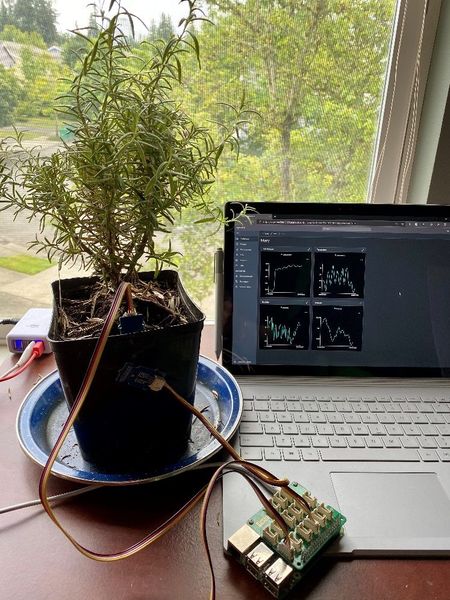
It is our very great pleasure to announce the release of a new, free, MIT-licensed open-source curriculum all about the Internet of Things: IoT for Beginners. Brought to you by a team of Azure Cloud Advocates, Program Managers, and Microsoft Learn Student Ambassadors, we hope to empower students of all ages to learn the basics of IoT. Presuming no knowledge of IoT, we offer a free 12-week, 24-lesson curriculum to help you dive into this amazing field.Understanding Small Language Modes
In Part 1, we discussed the differences between Large Language Models (LLMs) and Small Language Models (SLMs), highlighting how SLMs are transforming edge computing. Unlike LLMs, which rely on massive cloud infrastructure, SLMs can run directly on local devices like smartphones and IoT systems, offering faster performance, better privacy, and lower energy use. In this second part, we dive into how SLMs work, exploring their technical foundations and design principles that make them ideal for edge environments.