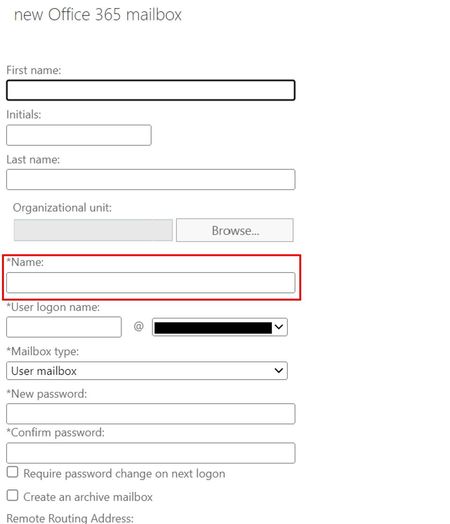
Good though on the PII and privacy concerns, but I think this change was caused by flaws in the code/processes for Exchange Online that MS needed to fix. Basically, it's been possible to create mailboxes with the same name in EOL for years (we started running into this problem a couple of years ago). What ends up happening when there is a mailbox with the same "name" is that it would cause errors such as:
The specified mailbox Identity:"xxxx" isn't unique.
+ CategoryInfo : NotSpecified: (:) [Get-MailboxStatistics], ManagementObjectAmbiguous Exception
+ FullyQualifiedErrorId : [Server=MN2PR20MB3085,RequestId=xxxxxxxxxx,TimeStamp=x/x/xxxx x:xx:xx XX] [FailureCategory=Cmdlet-ManagementObjectAmbiguousException] BA96334E,Microsoft.Exchange.Management.MapiTasks.GetMailboxStatistics
+ PSComputerName : outlook.office365.com
Also, these types of errors occurred:
https://learn.microsoft.com/en-us/exchange/troubleshoot/move-mailboxes/migration-fails-multiple-entries-error
So, rather than fix the errors in Exchange Online correctly, the burden was put on the Microsoft users/consumers to make changes on our end to accommodate their need to fix an issue with Exchange Online (and services backed by EOL such as MS Teams). The correct solution would have been for MS to create a new attribute for EOL and change the Exchange Online backend code to accommodate that new attribute, but I think that was deemed to be too much work for MS developers, so they just hijacked the existing EOL "name" attribute instead. So now (going forward), the error message "The specified mailbox Identity:"xxxx" isn't unique" won't occur because the EOL name attribute is a unique GUIDs and will always be unique.